PHOTO ESSAY
In the oil fields of the northern Ecuadorian Amazon, Indigenous storytellers are confronting the legacy of decades of extraction on their ancestral territories. Alex Lucitante, a young A’i Cofán leader and winner of the Goldman Prize 2022, introduces this photo essay following a recent gathering of 30 storytellers from ten Indigenous nations.
Their testimonies reflect a new generation rising on the frontlines: stories that document, expose, and mobilize, demanding justice and take action to stop a new oil auction threatening one of the most biodiverse regions on Earth.
We were born to defend the forest, not to watch it die!
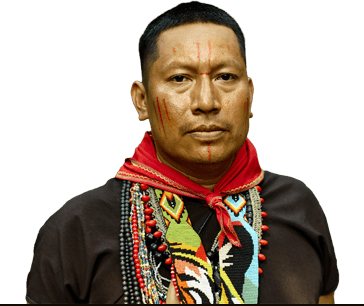
By Alex Lucitante, A’i Kofán leader
As Indigenous youth working in community-led communications, we came together in the northern Ecuadorian Amazon to collectively remember—and bear witness to—the impacts of colonization and oil extraction on our territories.
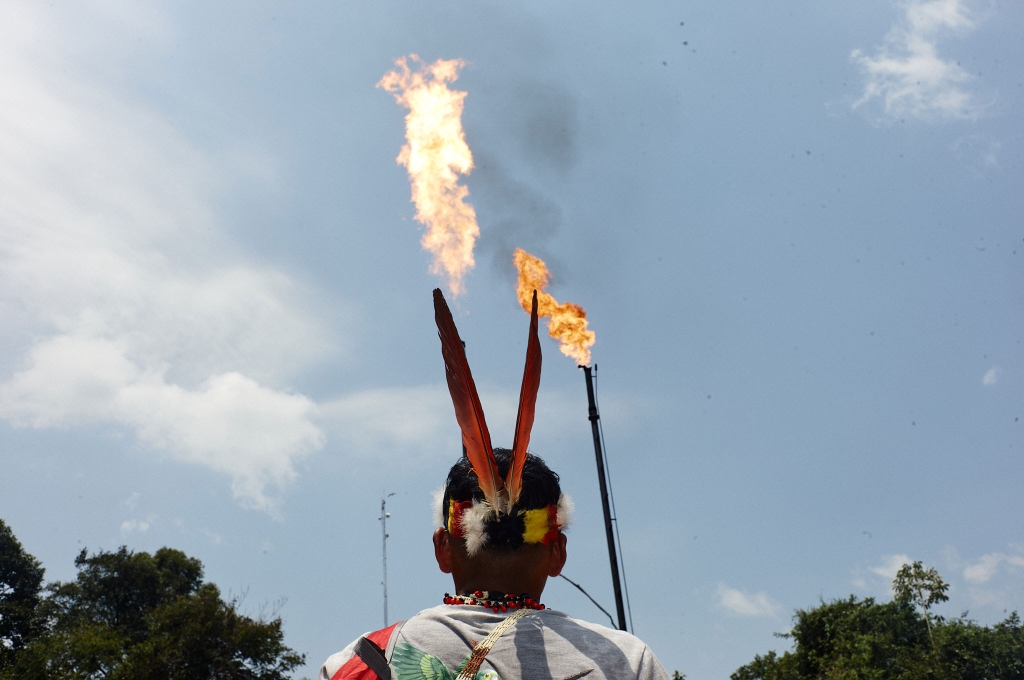
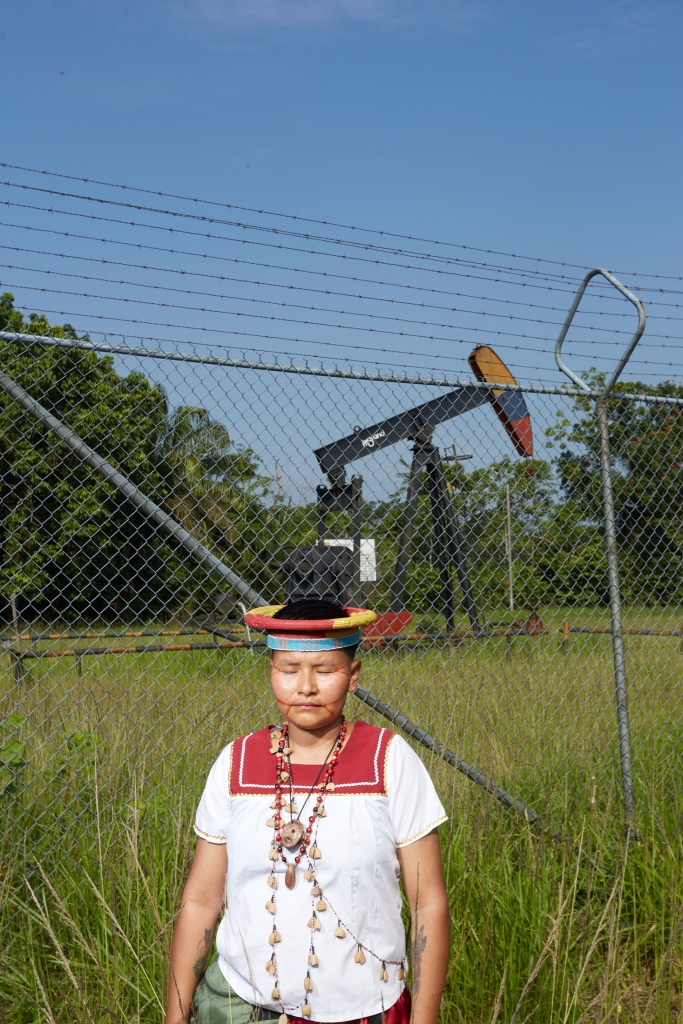
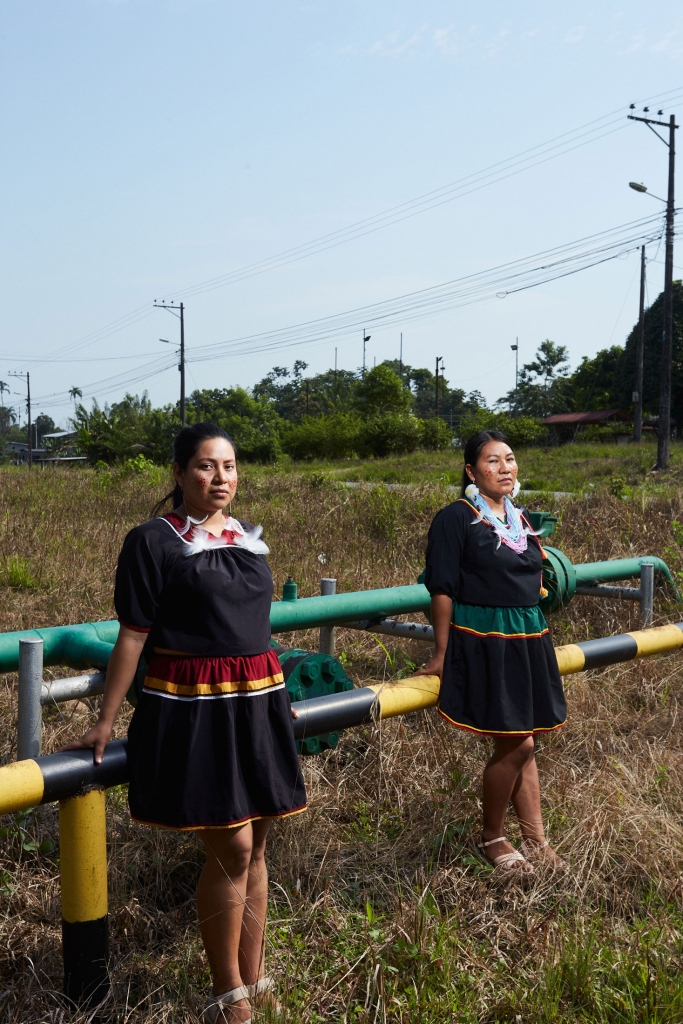
For more than sixty years, oil extraction has brought violence and loss into our spaces, invading lands, harming families, and desecrating lands once sacred and full of life. Forests that have long sheltered, nourished and protected us and our elders are slowly dying. Lands cared for by ancestors and spirits have endured not only contamination, but the deep sorrow of losing their children.
Since the 1960s, oil exploitation has affected the populations of Sucumbíos, Orellana, and Napo in Ecuador, home to the Indigenous Cofán, Siekopai, Siona, Waorani, Kichwa, and Shuar peoples.
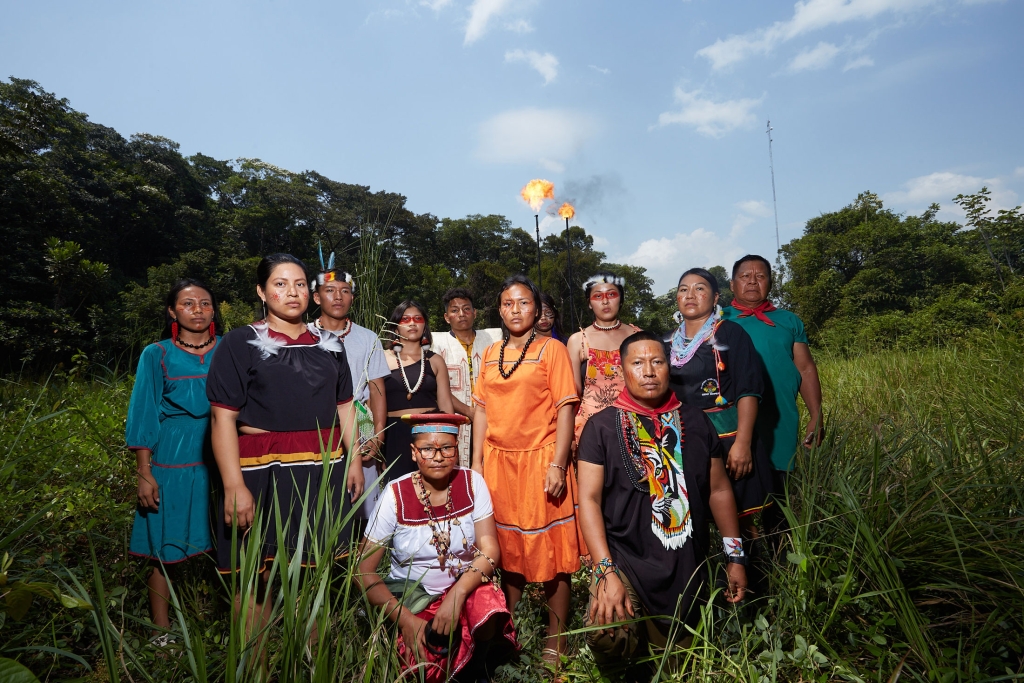
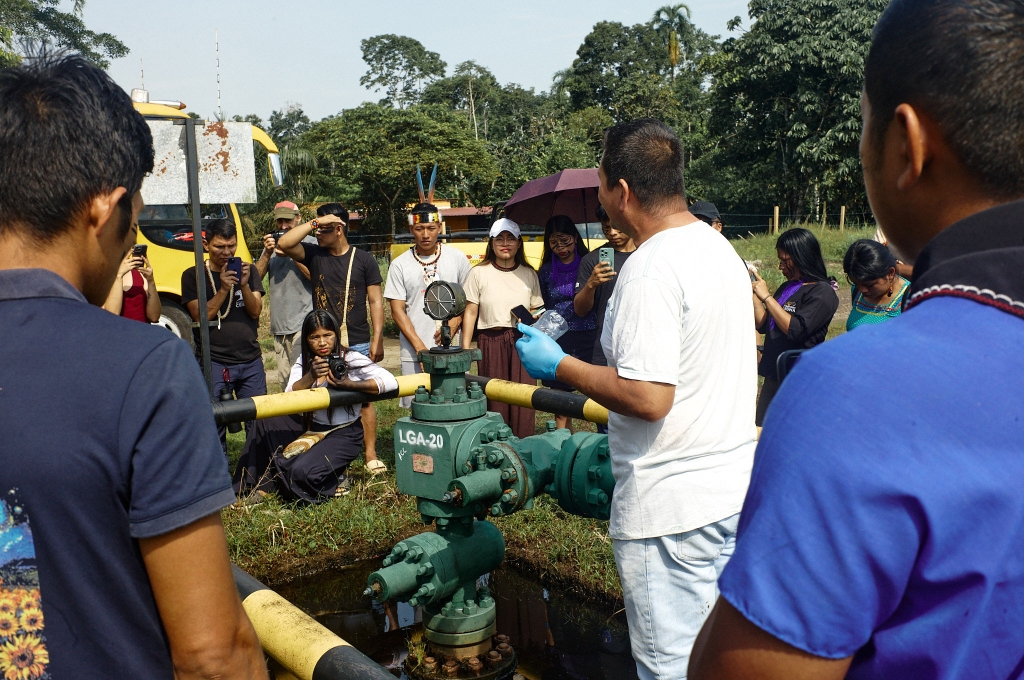
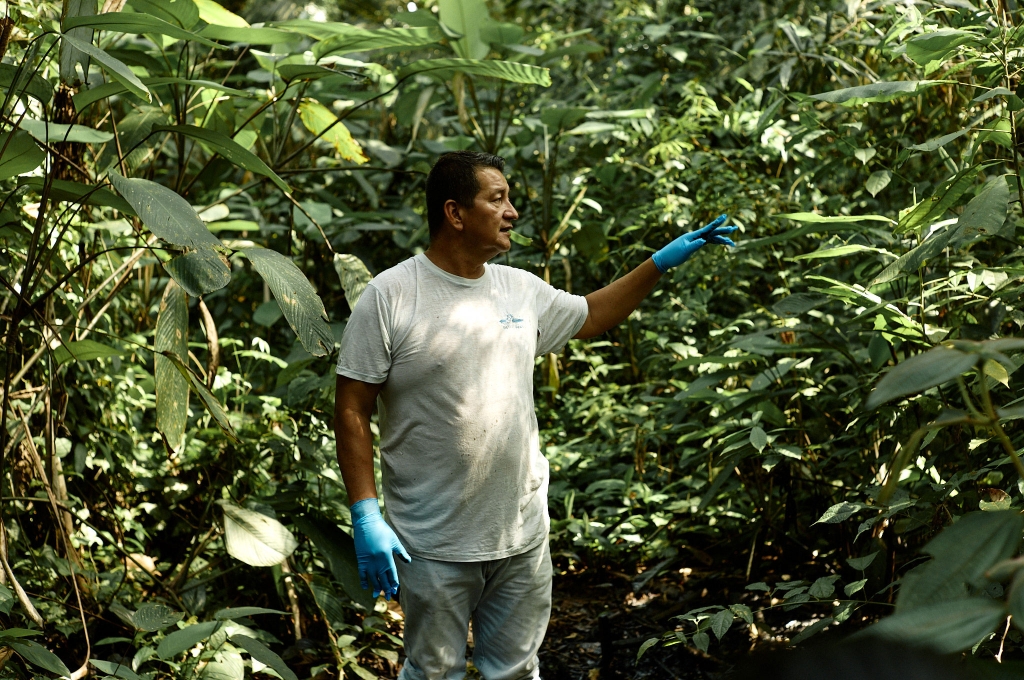
We came together because our peoples are joyful and resilient. We have learned not only to sustain ourselves, but to move forward and build solutions. We wanted Indigenous youth from across the Ecuadorian Amazon, to truly see, smell, and experience firsthand the reality of oil extraction in the north—and to carry this truth back to their communities, strengthening our unity and resistance against exploitation and extraction. Remembering always the words of our elders and guided by our spiritual strength, we walk a path of hope.
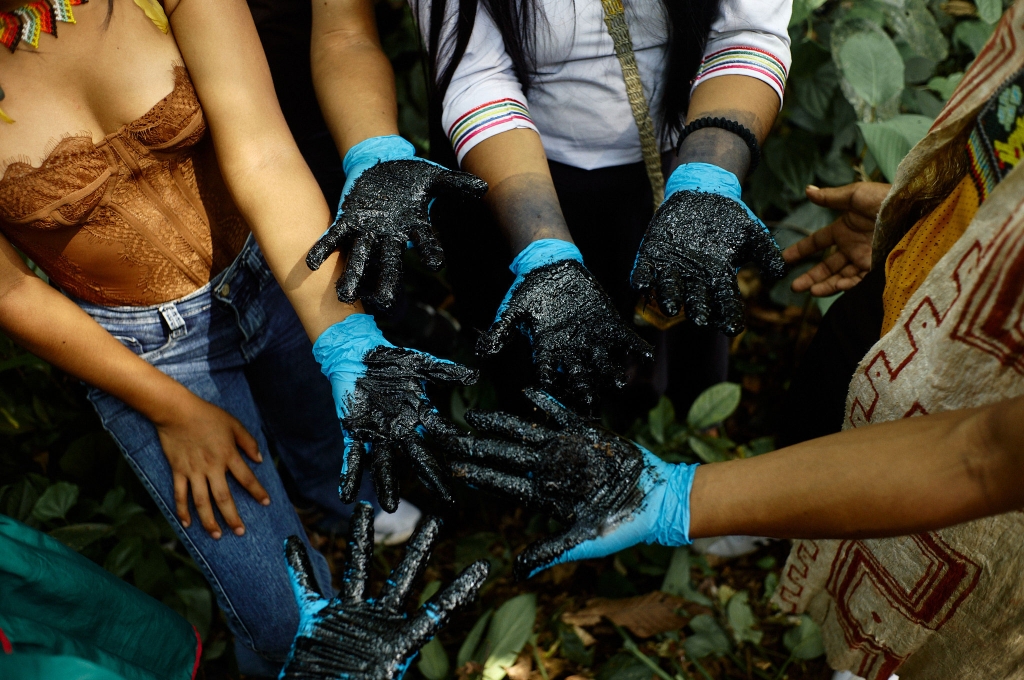
A study analyzing 50 years of oil spills in Ecuador documents severe risks to the environment, health, and food security: these include wildlife deaths and organ damage, contamination of the food chain through heavy metals bioaccumulation, soil and vegetation degradation caused by salinity, and the spread of pollutants through water systems. Affected communities show higher rates of cancer, birth defects, and psychological disorders linked to heavy metal exposure.
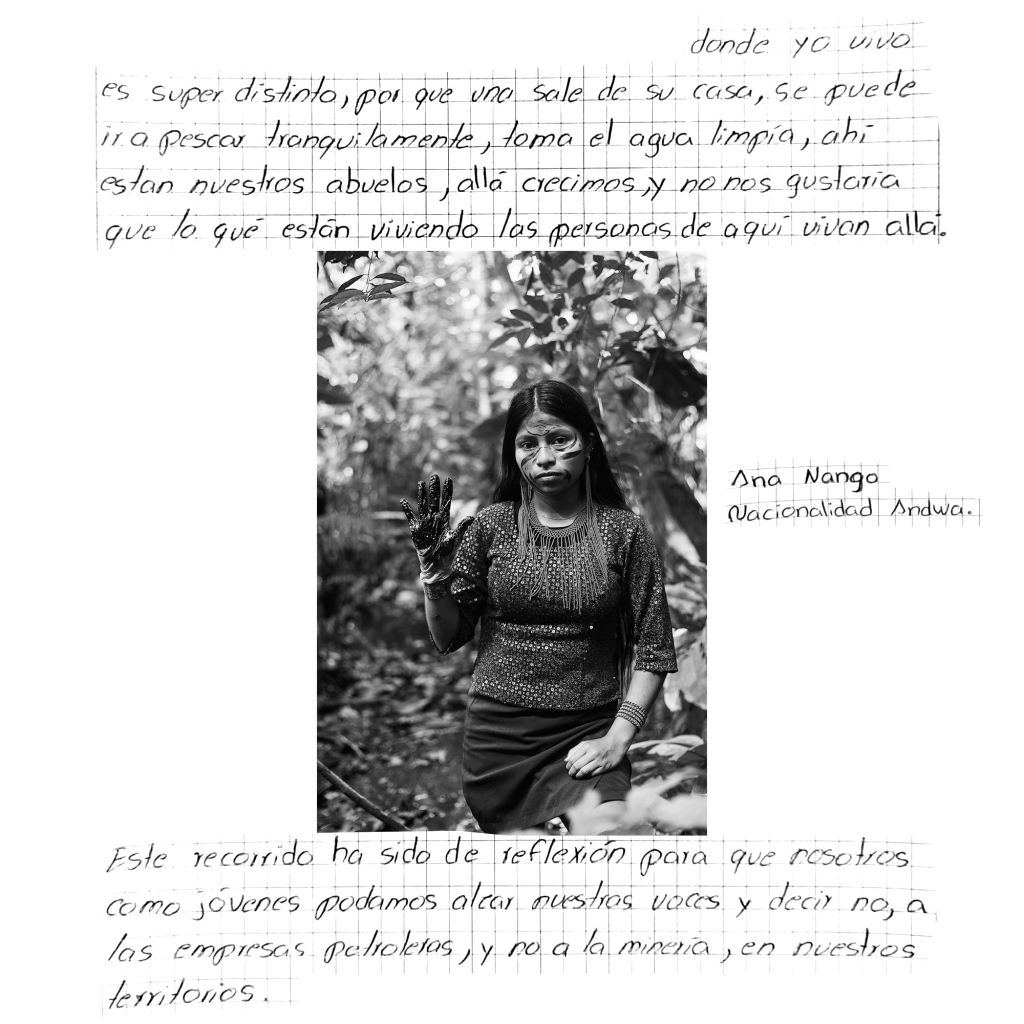
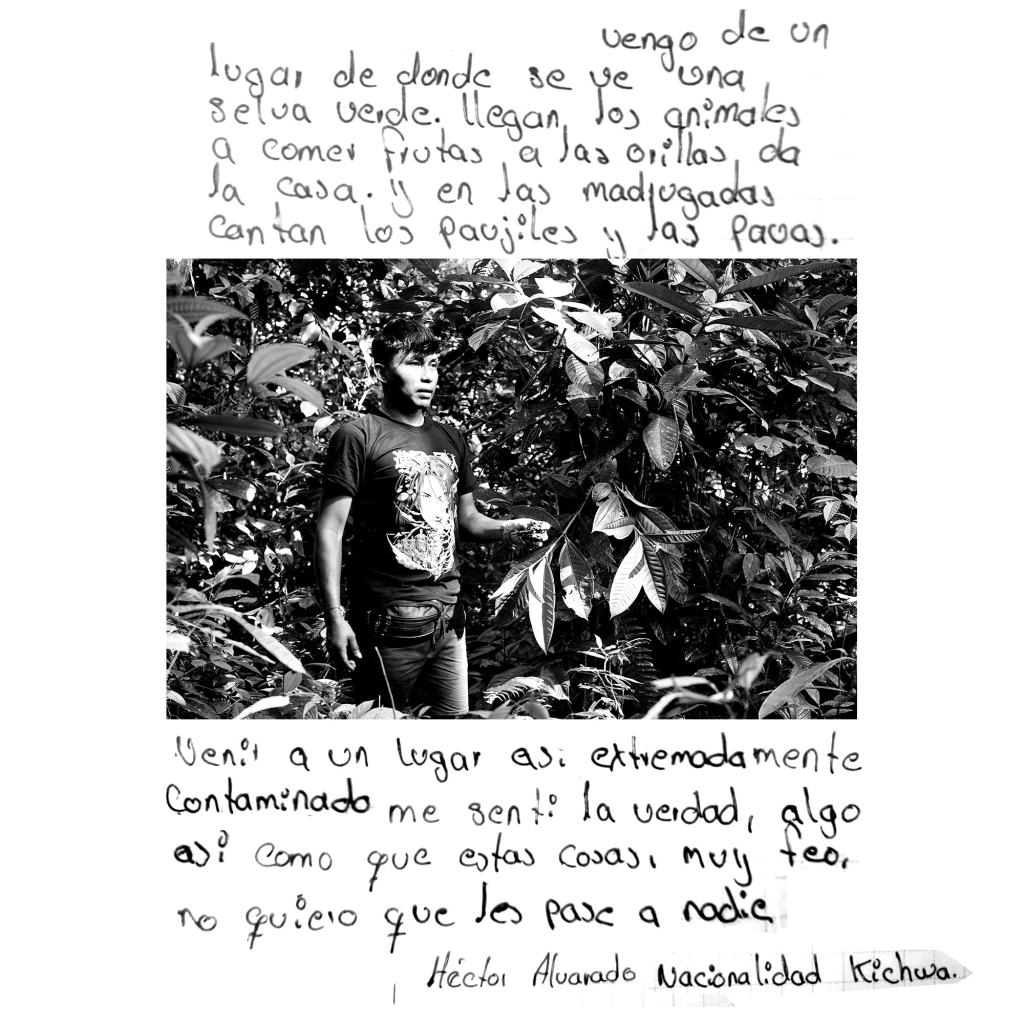
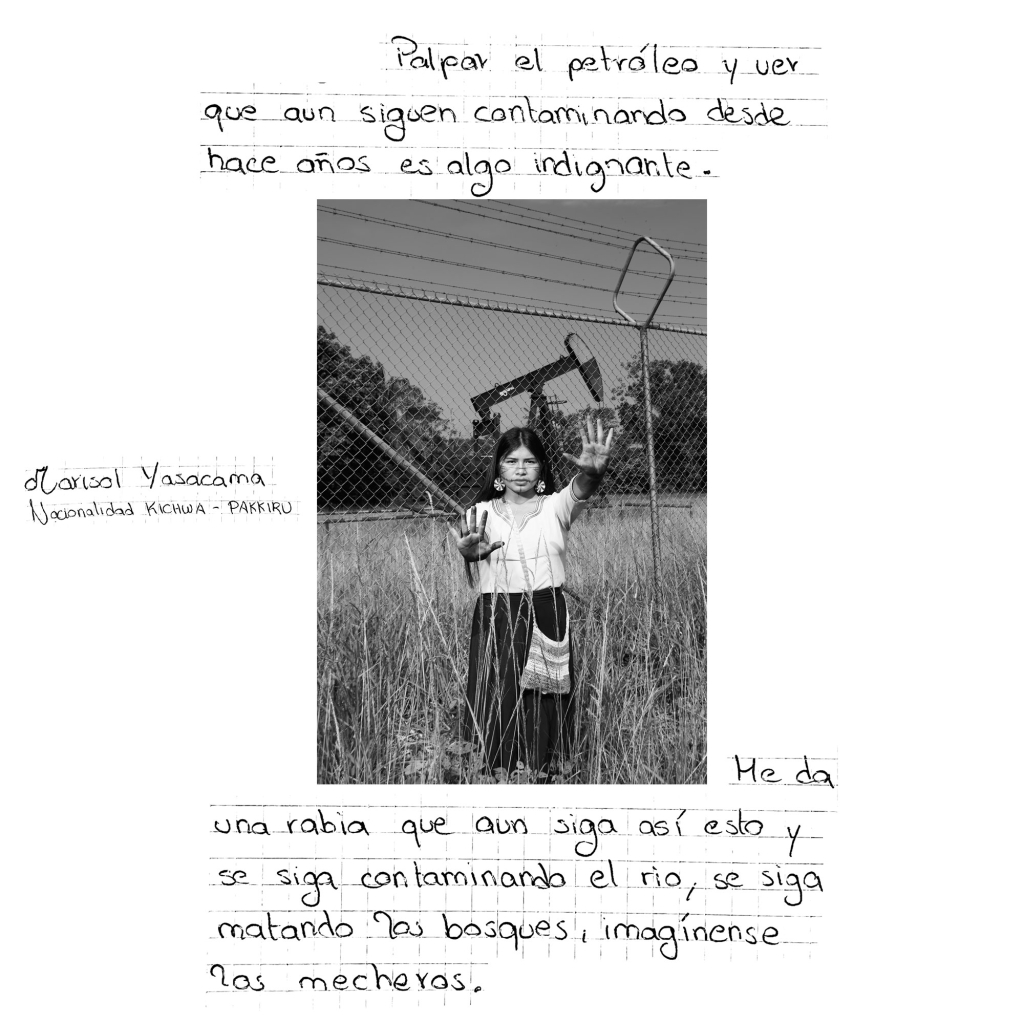
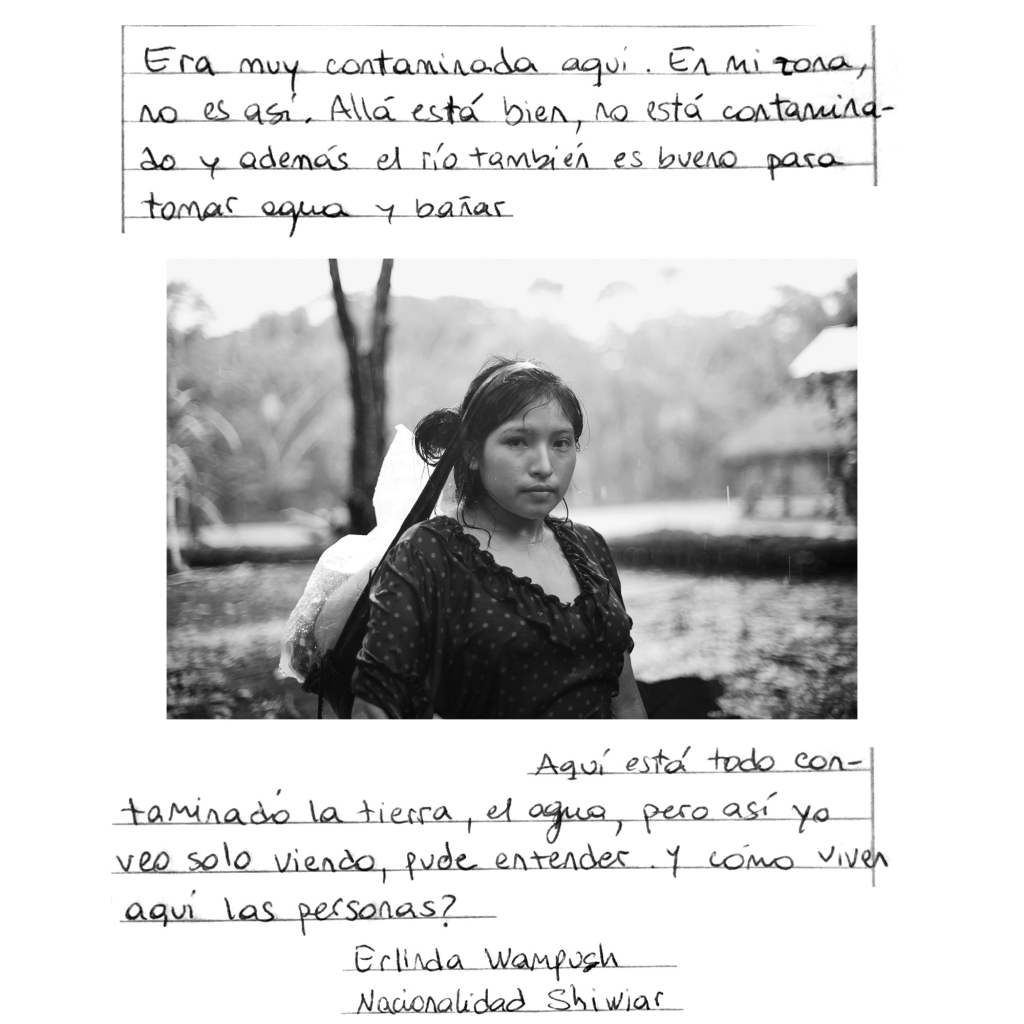
Of the 29.65 million acres (12 million hectares) of tropical rainforest that make up the Ecuadorian Amazon, 68% has been concessioned by the government to oil companies.
In 52 years, the Trans-Ecuadorian Oil Pipeline System (SOTE) pipeline has suffered at least 77 spills, releasing 742,041 barrels of crude oil into rivers, forests, and coastal areas.
One of the most devastating spills in recent history occurred between April 7 and 8, 2020, when the rupture of three pipelines released at least 15,800 barrels of crude oil into the Coca and Napo rivers. The spill affected 105 communities (120,000 people, including 27,000Kichwa) in Ecuador—and extended to Peru. As of 2026, legal action continues in defense of affected communities continues.
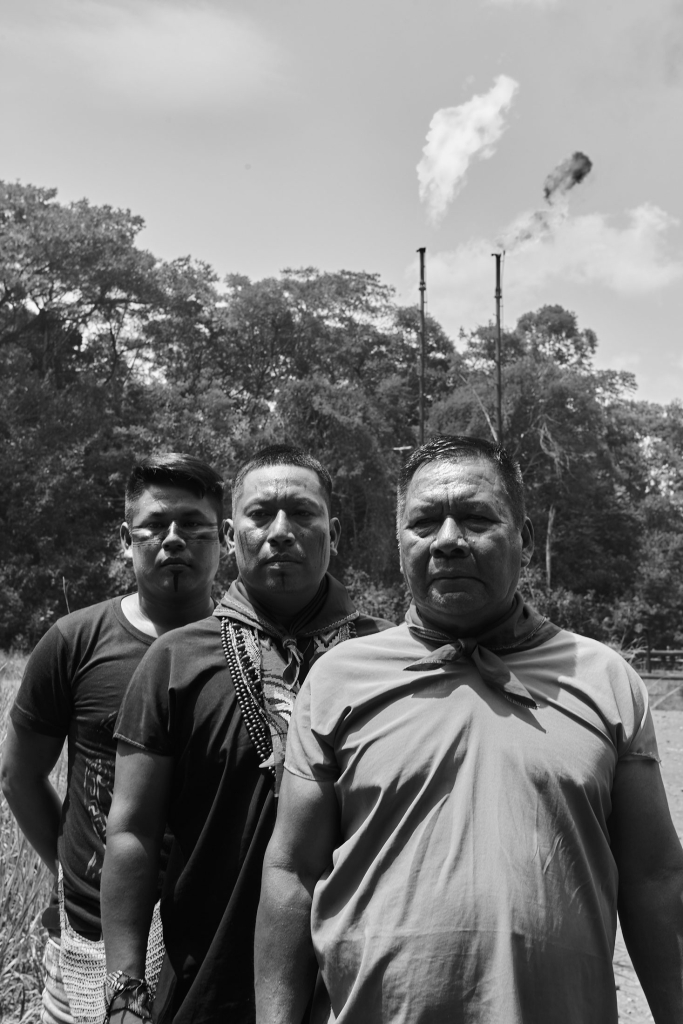
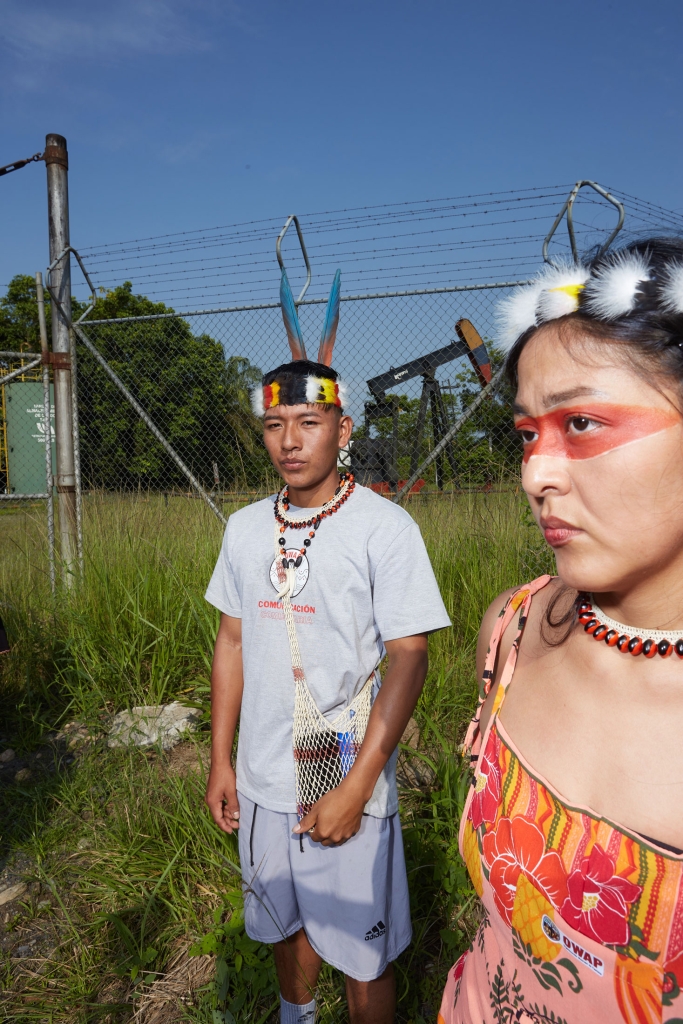
This experience in the north helped open the eyes of young people, allowing them to witness—even if only for a few days—what oil extraction truly means.
Now, as the Ecuadorian government once again moves to expand oil extraction into our territories defending our shared home is more urgent than ever. Raising our voices is no longer a choice; it is a necessity to show the world what is happening in our territories—realities that too often go unseen.
Through our words, our images, and our ways of understanding the world, communication becomes a tool of defense: a means to denounce injustice, preserve memory, and resist those who seek to impose themselves upon us.
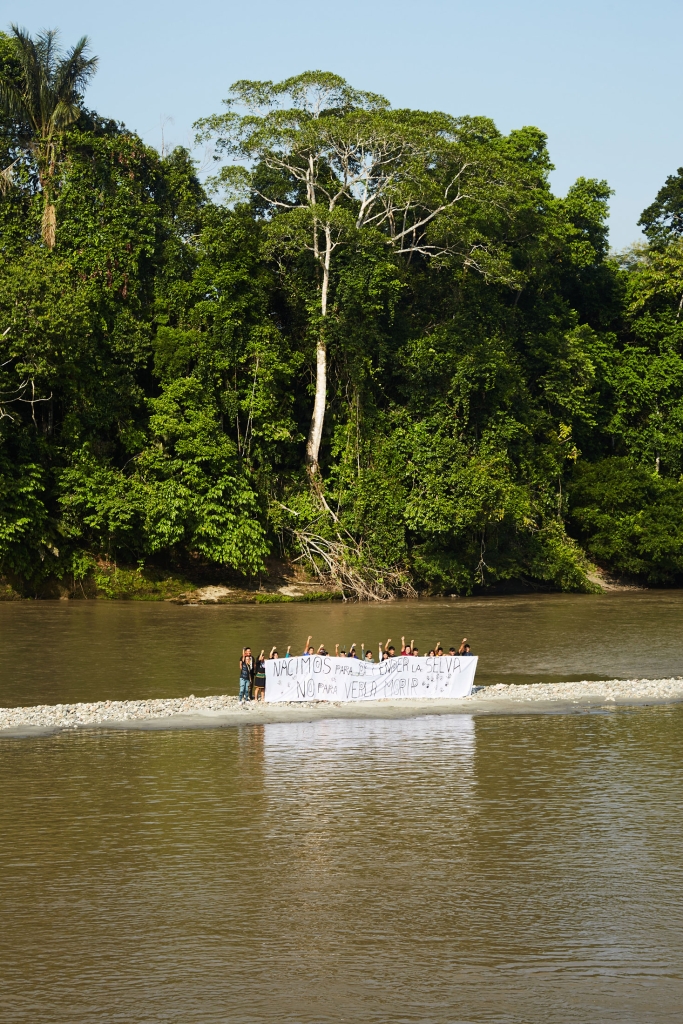
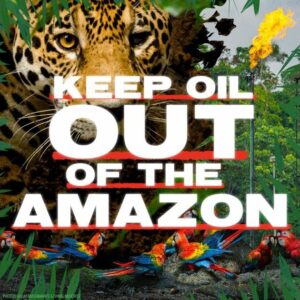
In August 2025, the Ecuadorian government announced a bidding plan for 49 oil projects, with projected investments of more than $47 billion. Eighteen of these oil blocks threaten nearly 30 million hectares of rainforest—territories of seven Indigenous nations that have never before faced been subjected to extraction.
Credits.
Photos by William Kano and Ezequiel Mojo. | Text by Alex Lucitante | Edited by Sophie Pinchetti and Raúl Estrada | Coordinated by Nico Kingman and Jerónimo Zúñiga.