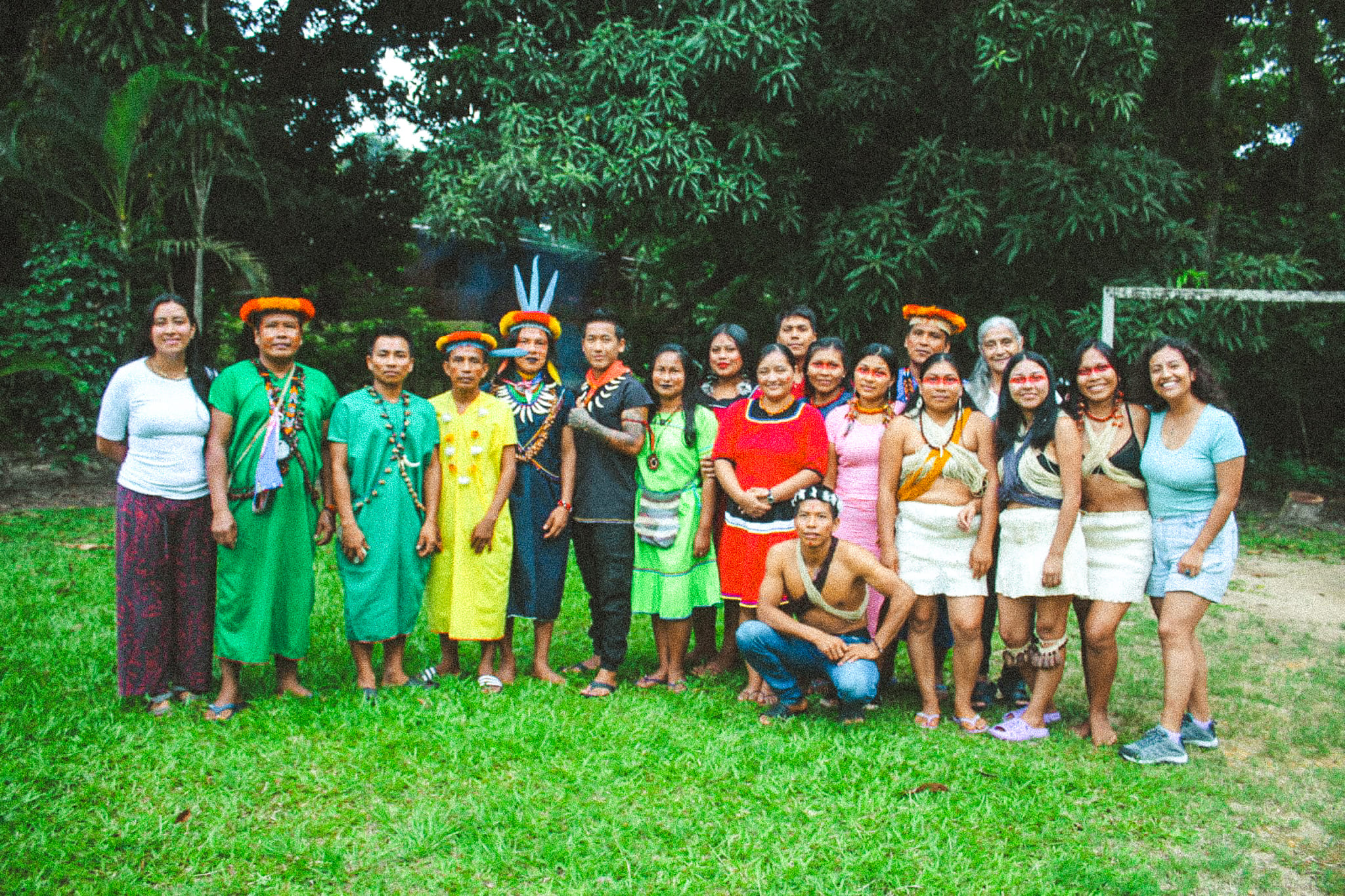
Amazon Frontlines and Alianza Ceibo invited more than 20 future educators to join this journey as part of the Community-Led Education Program, which seeks to recover ancestral memory to preserve cultural identity for future generations.
At the Takiwasi Center, master plants were used in therapeutic processes and ceremonies, helping the young participants heal internal struggles shaped by the threats of extractivism and conventional education in their territories. Their journals offer a window into a physical and spiritual journey shaped by learning and discovery. This text brings their voices and experiences together as a collective diary.
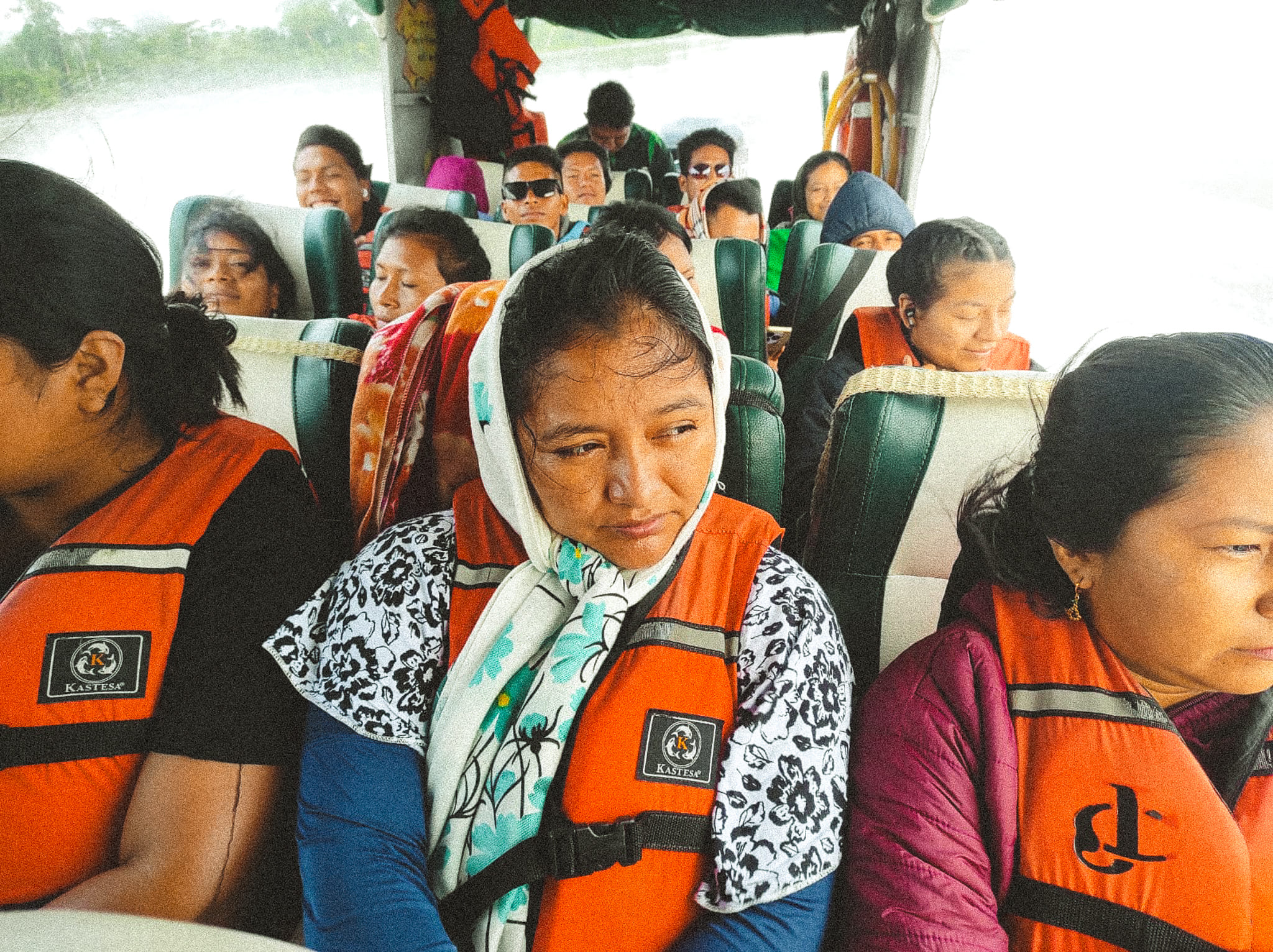
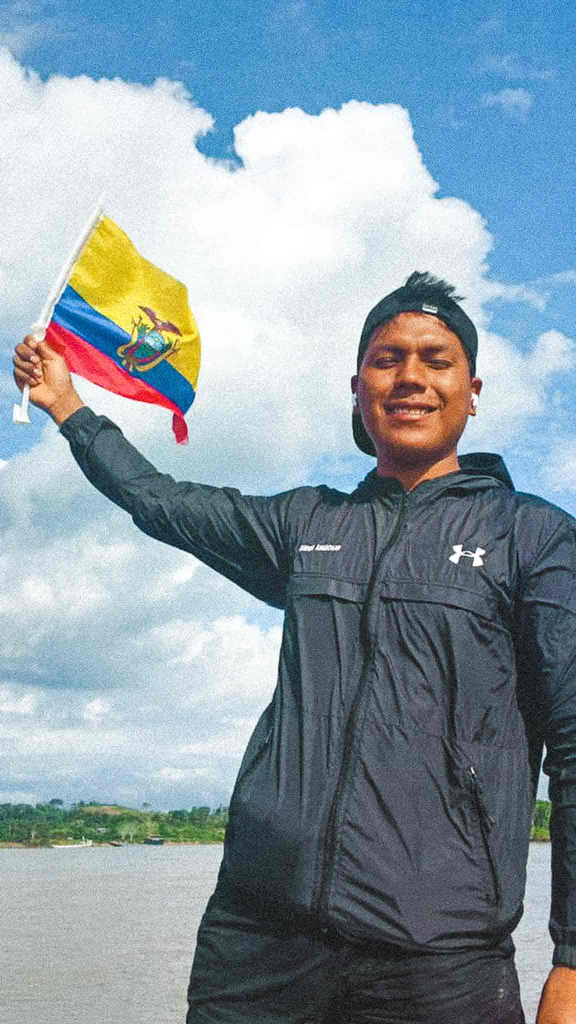
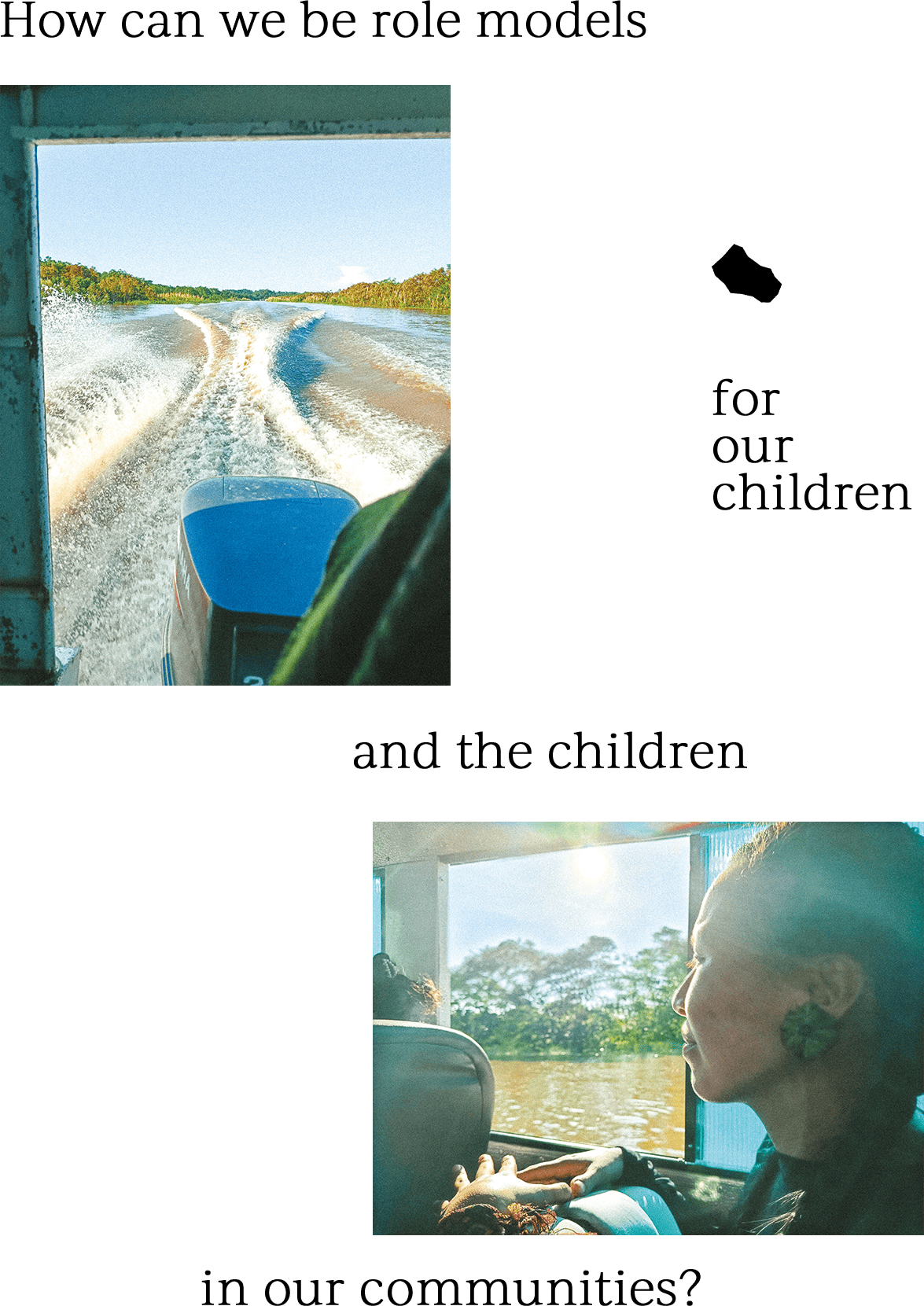
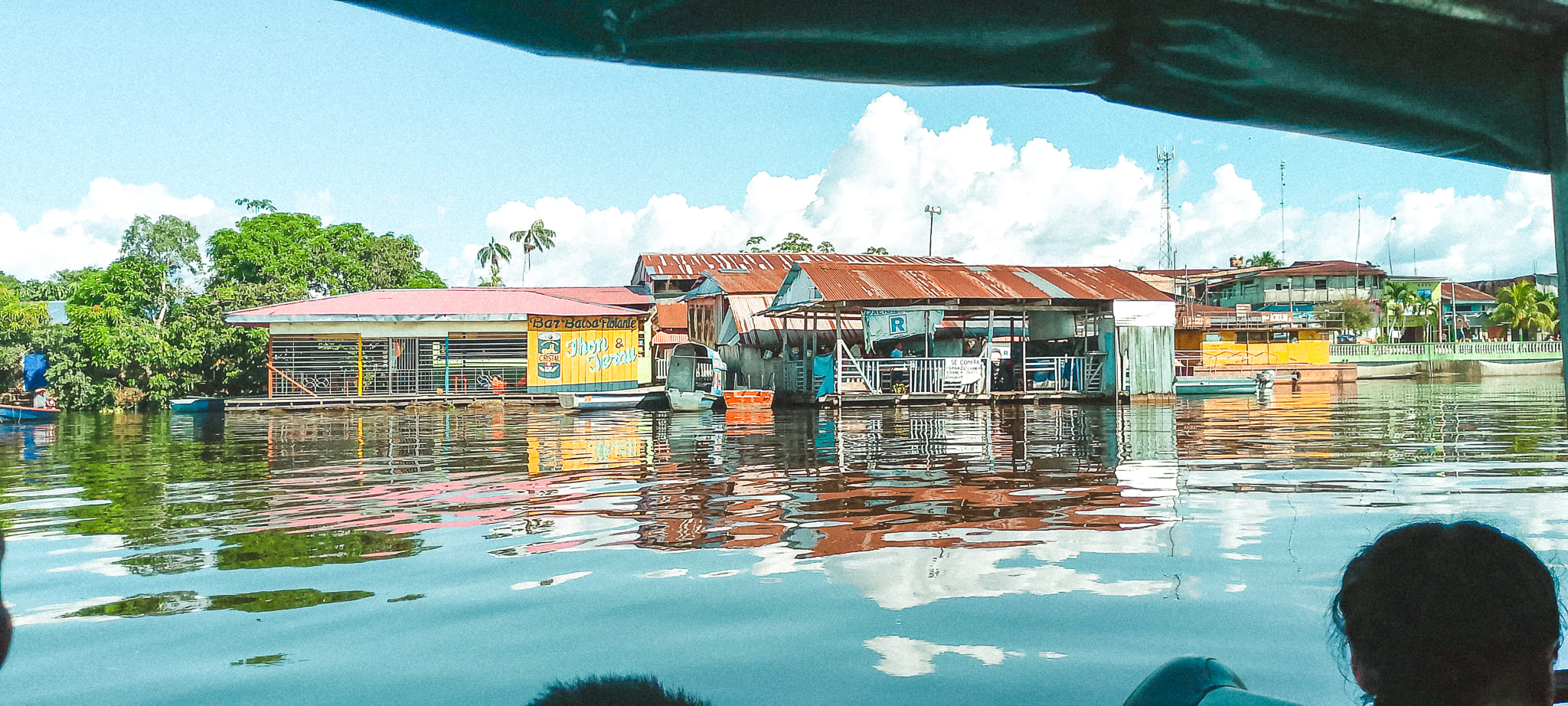
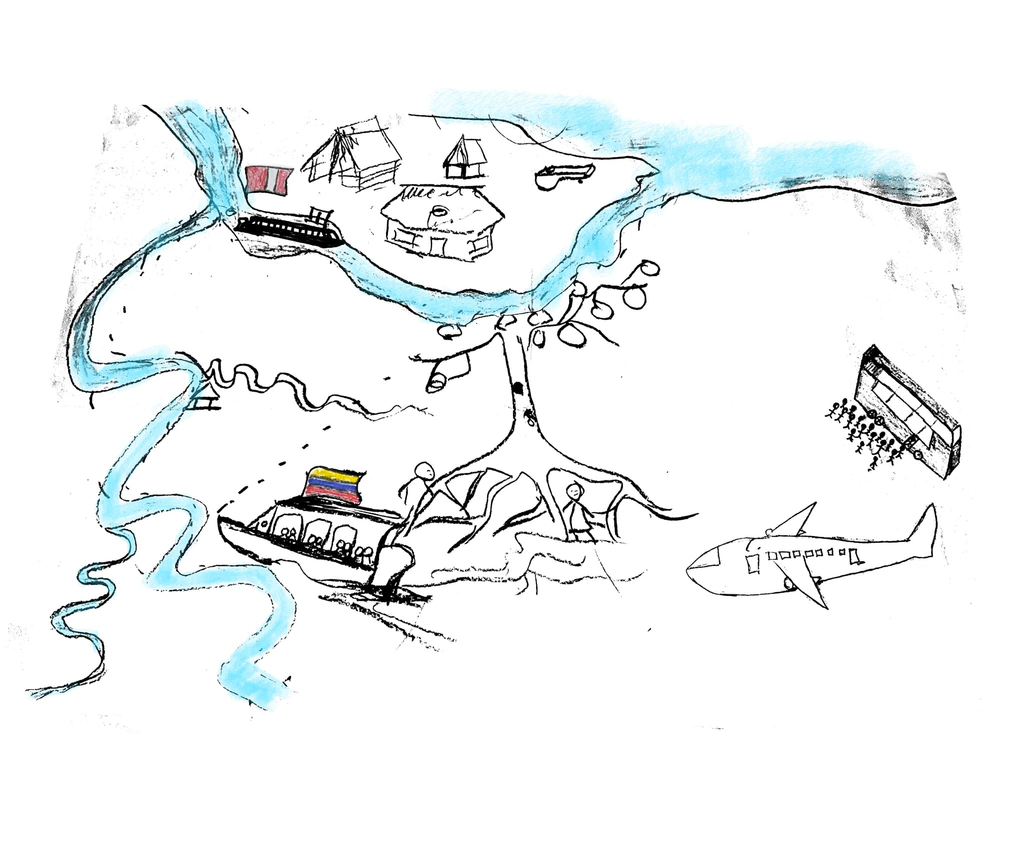
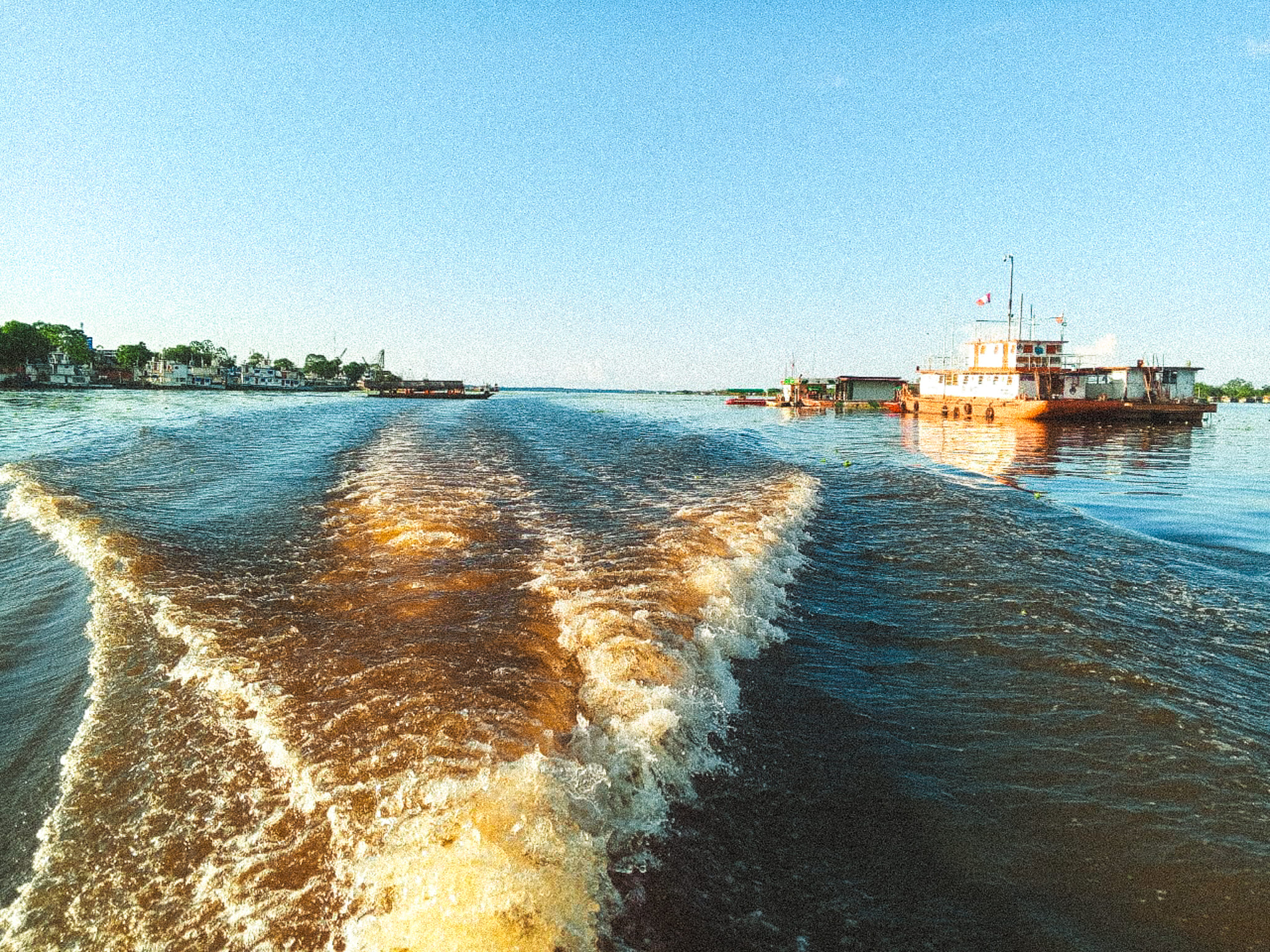
We felt afraid as we stepped into the canoe, having been told that we would spend four days traveling by river and overland to Tarapoto, Peru. For many of us, it was the first time we had ever left Ecuador, far from our families and communities.
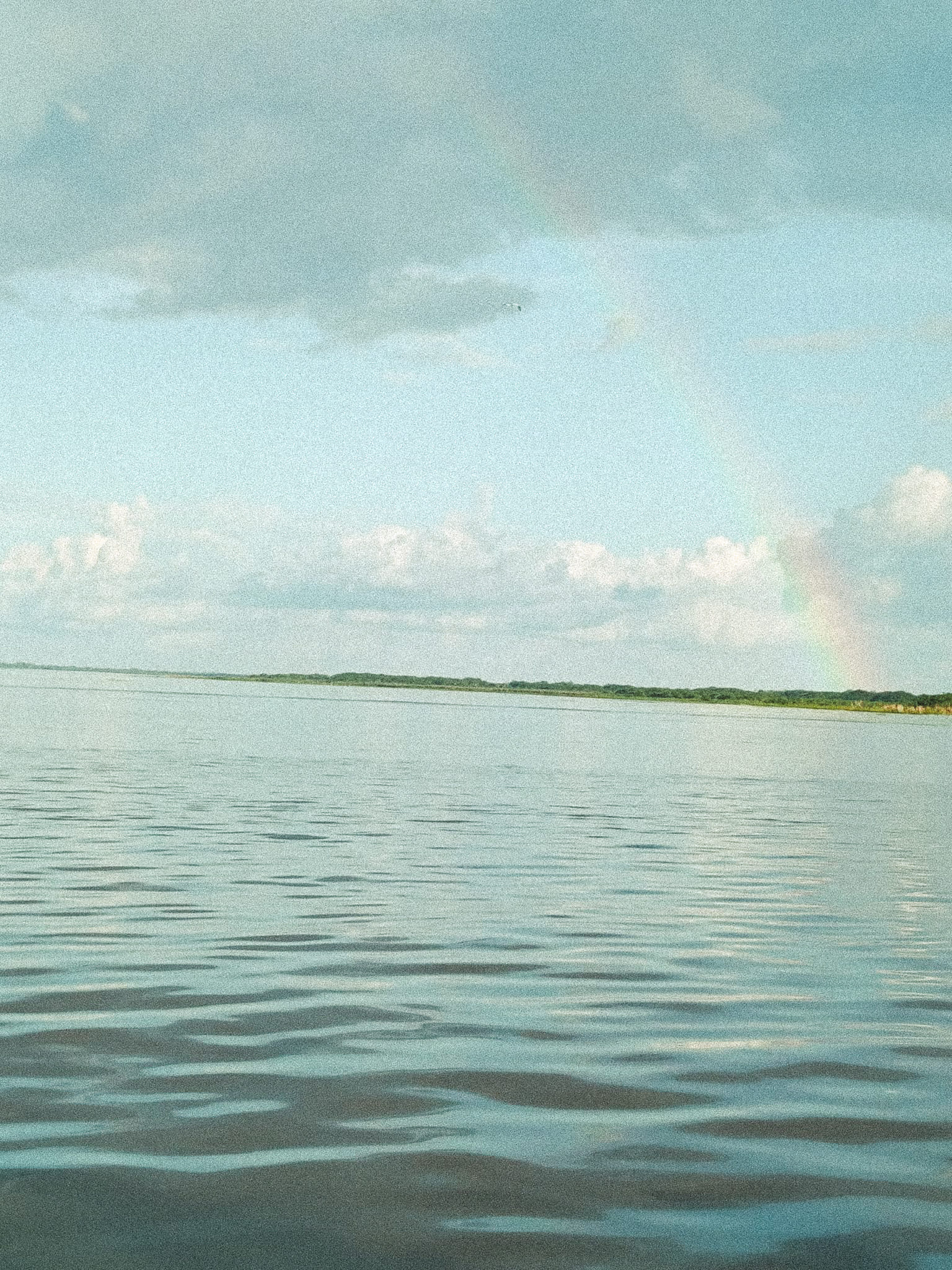
We knew we were entering unfamiliar territory when we witnessed the vastness of the Napo and Marañón rivers. We discovered the diversity of the trees and plants along their banks. The morete palms, the swampy lakes, and the traces of extractive industries left us astonished. This was the vast Peruvian Amazon, waiting for us.
The fear gradually faded as we remembered that we had a purpose worth continuing for. We had embarked on this adventure in the name of our grandparents and for Indigenous community-led education.
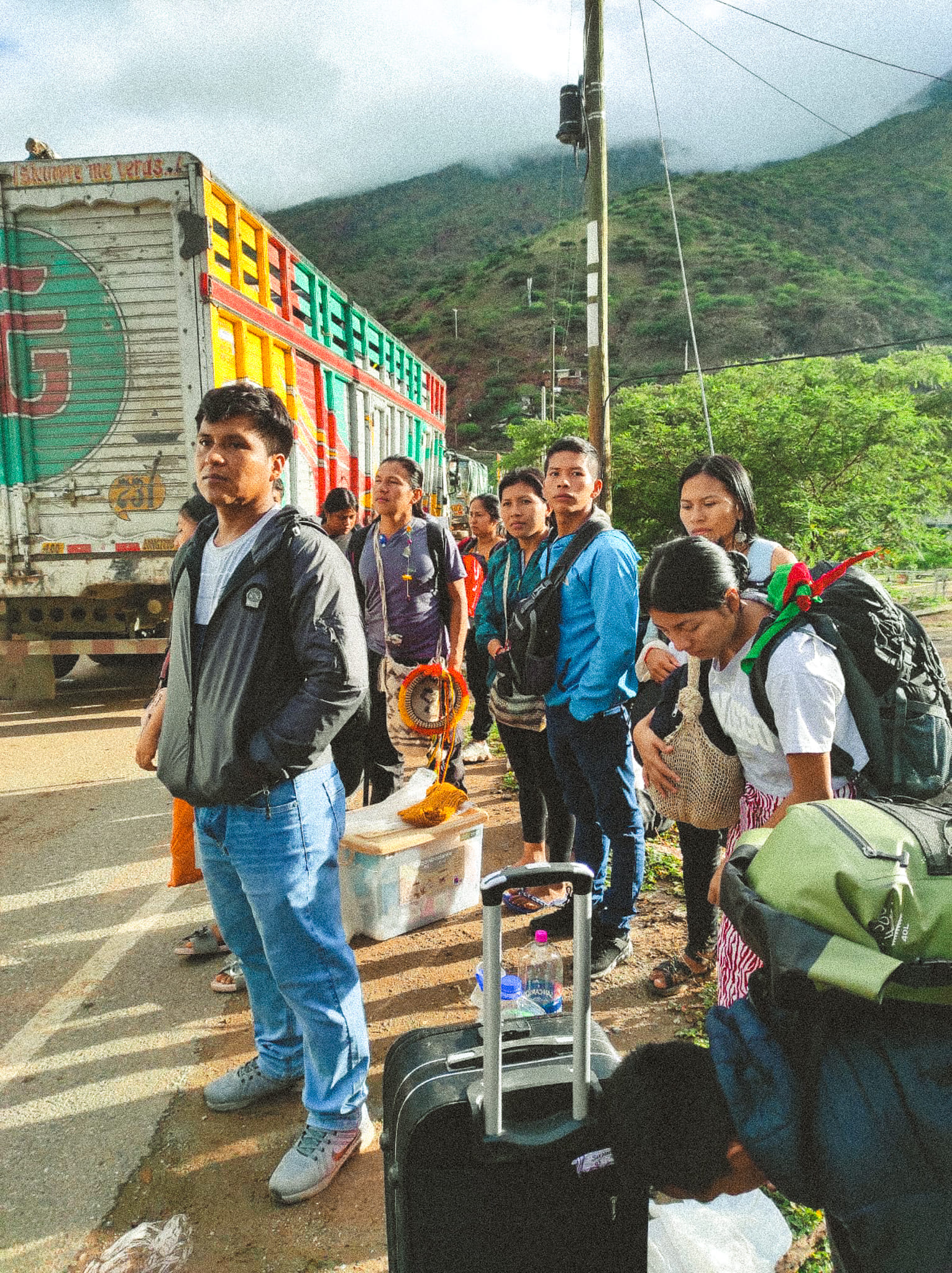
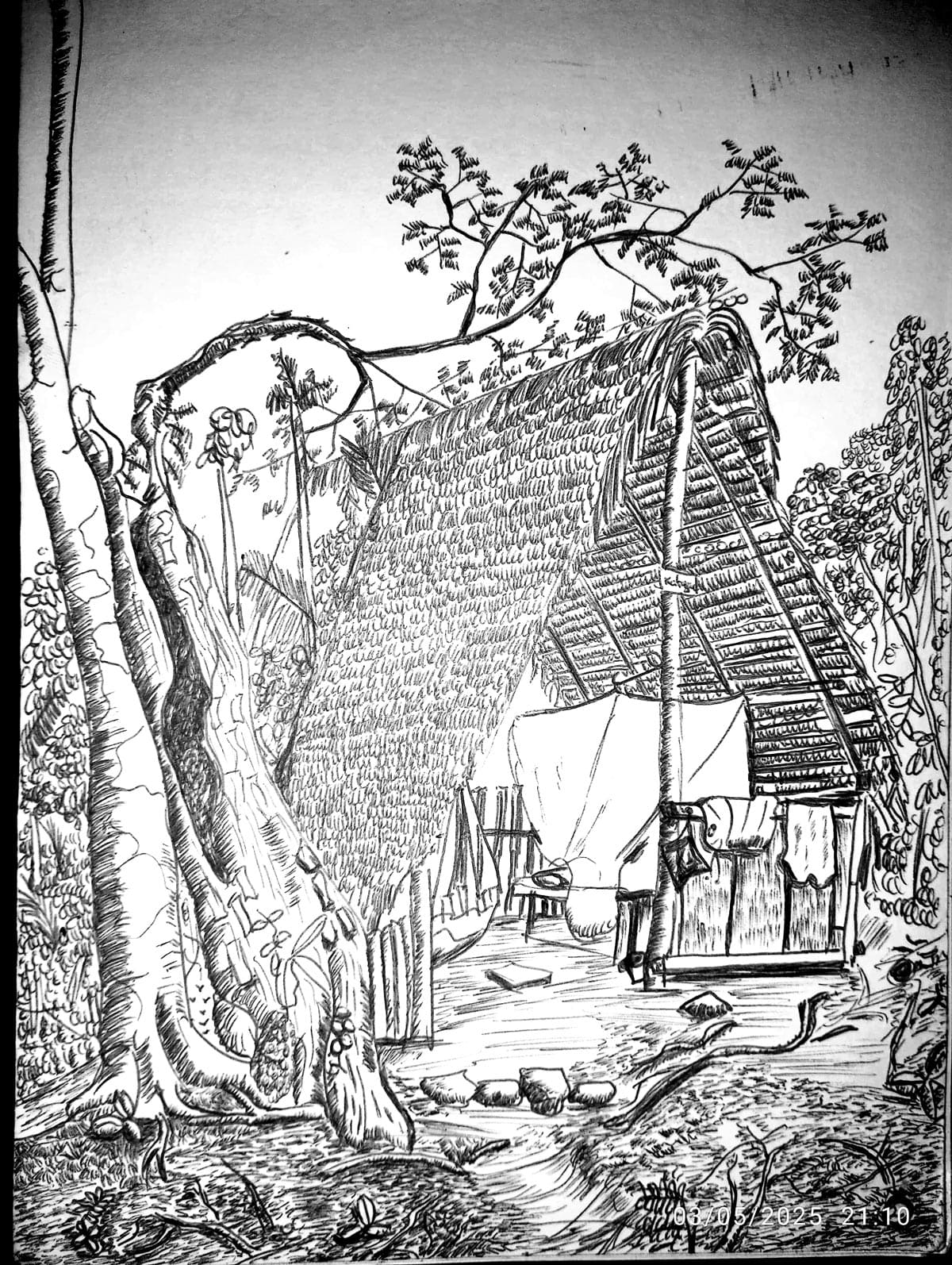
That was why we accepted the invitation from Amazon Frontlines and Alianza Ceibo to travel more than a thousand kilometers (620 miles) to Takiwasi. As part of our preparation, we were each given a journal. We wrote down our impressions and feelings, and drew the landscapes around us in search of meaning. Halfway through the journey, we renewed our commitment to pass on ancestral wisdom to future generations.
But there was an essential change we needed to make:
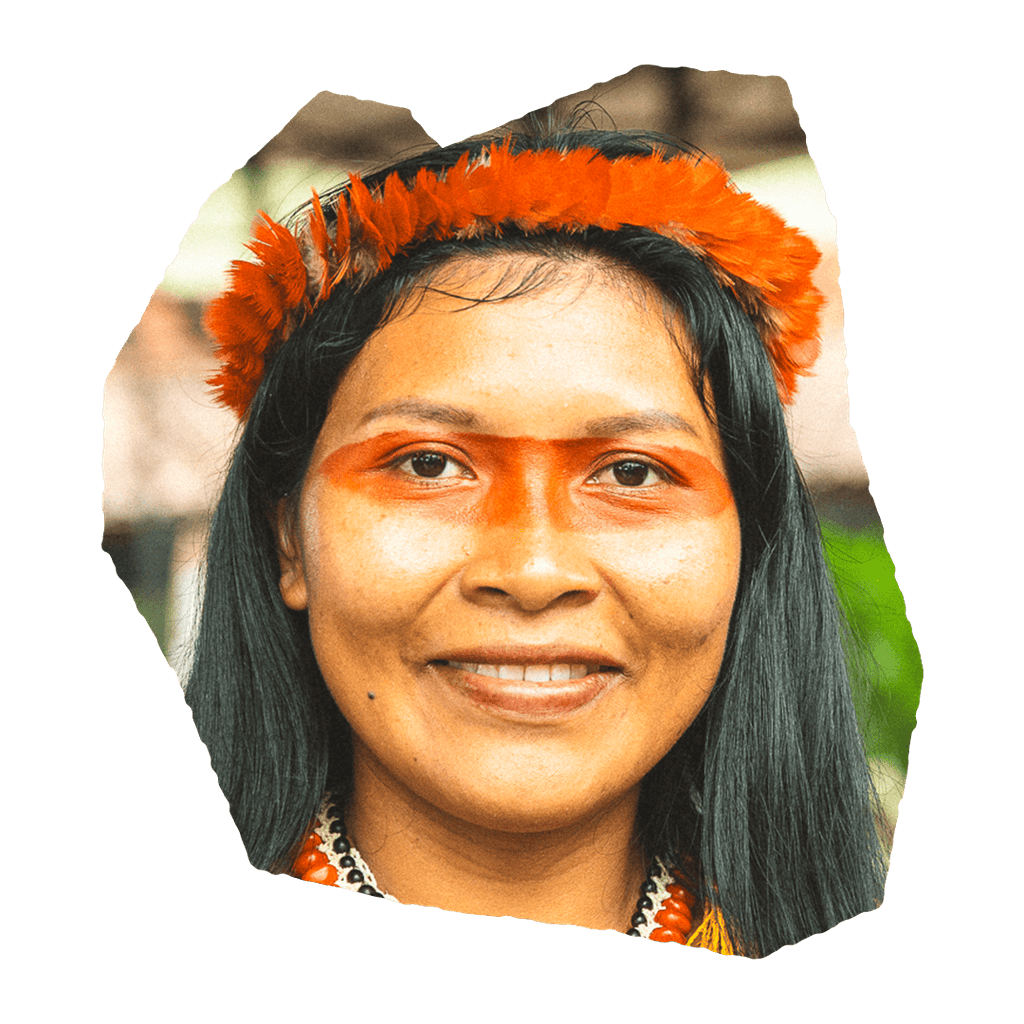
Ana Nenquimo, Waorani Nation
I was taking in the great landscapes, the rivers, the lakes, and thinking about what I want to do and what I want to leave behind.
I also saw the oil companies set up along the river. I was surprised that, even though they were there, the houses of the people living nearby were so humble. At that moment, I thought: if a company enters our territory, will they take advantage of us?
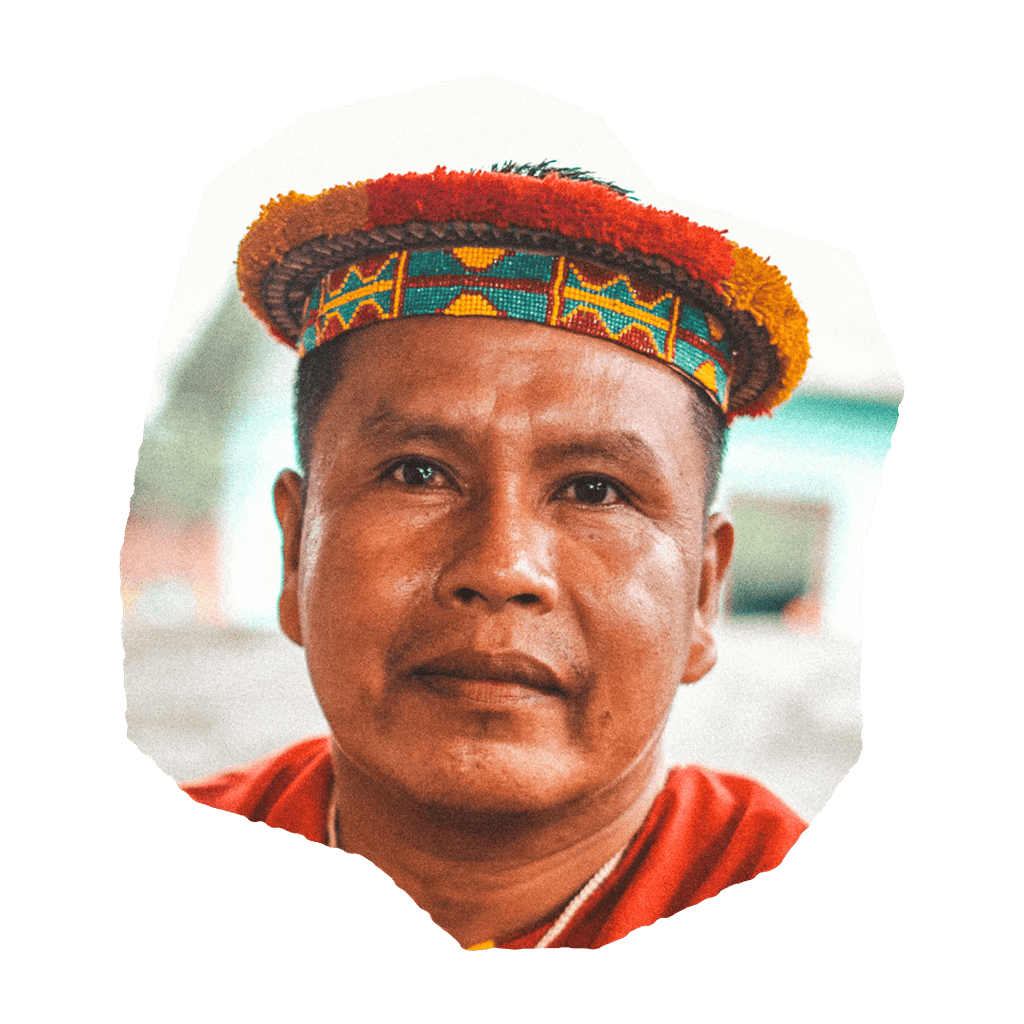
Wilmer Piaguaje, Siekopaai Nation, Community-Led Education coordinator
Back then, we didn’t have GPS, nothing. Our great shamans would cross right through the middle of these mountains. And as we were traveling—the three Nations, A’i Kofán, Siekopaai, and Waorani together—we thought about how our grandparents had journeyed through here looking for salt, not only to consume it, but because it was an important mineral for the culture.
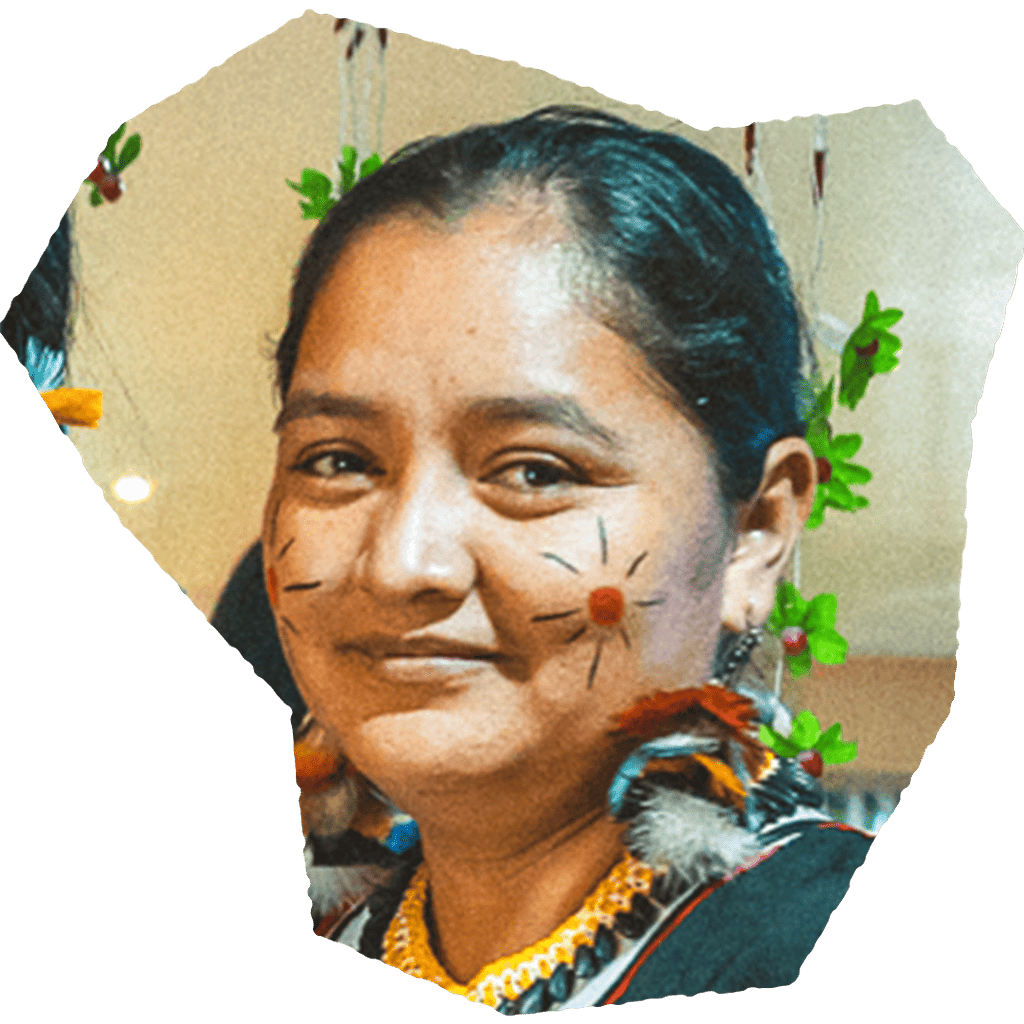
Sonia Hernández, A’i Kofán Nation
Don Wilmer would tell us the stories of how our grandparents would go out looking for salt. It felt beautiful because we were in the present, moving at a thousand miles an hour. How long did the elders take? They said they would leave when they were little and come back already grown, already adults…
Our grandparents didn’t navigate for just four days as we did. They traveled this same route by canoe for months. They collected salt in blocks and used it to preserve their food. Salt was part of their spiritual culture and protected the community.
They called it the “Salt Route” until colonization reached our territories and brought what we now call greed and commercialization. Then came the war between Ecuador and Peru in 1941, which disrupted the route and divided the Siekopaai Nation between both countries.
Our grandparents lost their ancestral territory, which was the heart of their historical and symbolic origins. A militarized border line divided entire families.
Since then, we have resisted efforts to erase our history by recovering our ancestral memory and practices. Through community-led education, we foster a pedagogy that is closer to what has existed in our territory for thousands of years. This is how we resist —a way to survive.
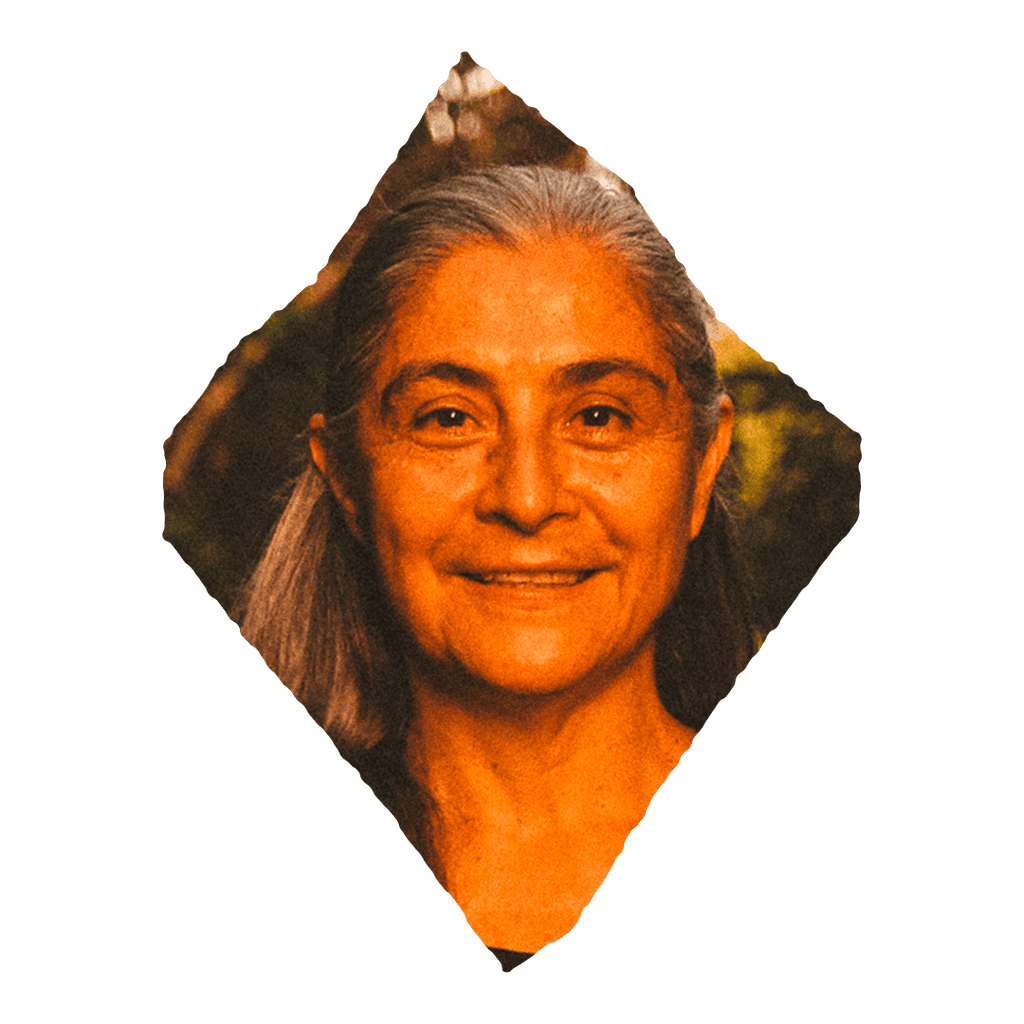
Patricia Peñaherrera, Community-Led Education Program Leader, Amazon Frontlines
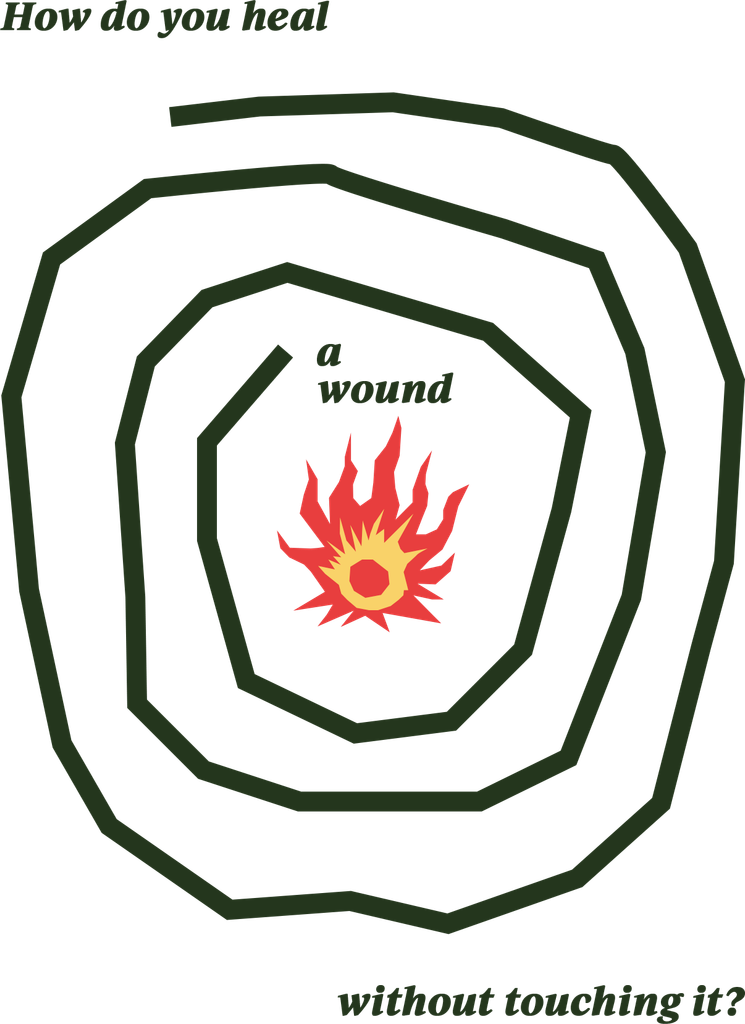
Education has been terribly weaponized. We haven’t only learned how to read and write, add and subtract […] What has also been passed down to us is a series of conditionings, values, prejudices, and forms of darkness that have left us with very deep wounds. Among us, we carry the historical legacies of discrimination, mistreatment, and colonization, all of which have been passed down through education, alongside other social factors.
Our purpose in training teachers is for those of us who work as community facilitators of Indigenous education and are in contact with children to go through processes of personal growth that help us heal and overcome these wounds.
We cannot continue relating to children while projecting these burdens onto them. The Takiwasi proposal was simple: to find a serious, responsible place where Amazonian medicine could work deeply—to address certain aspects of our health and heal certain aspects of our emotions.
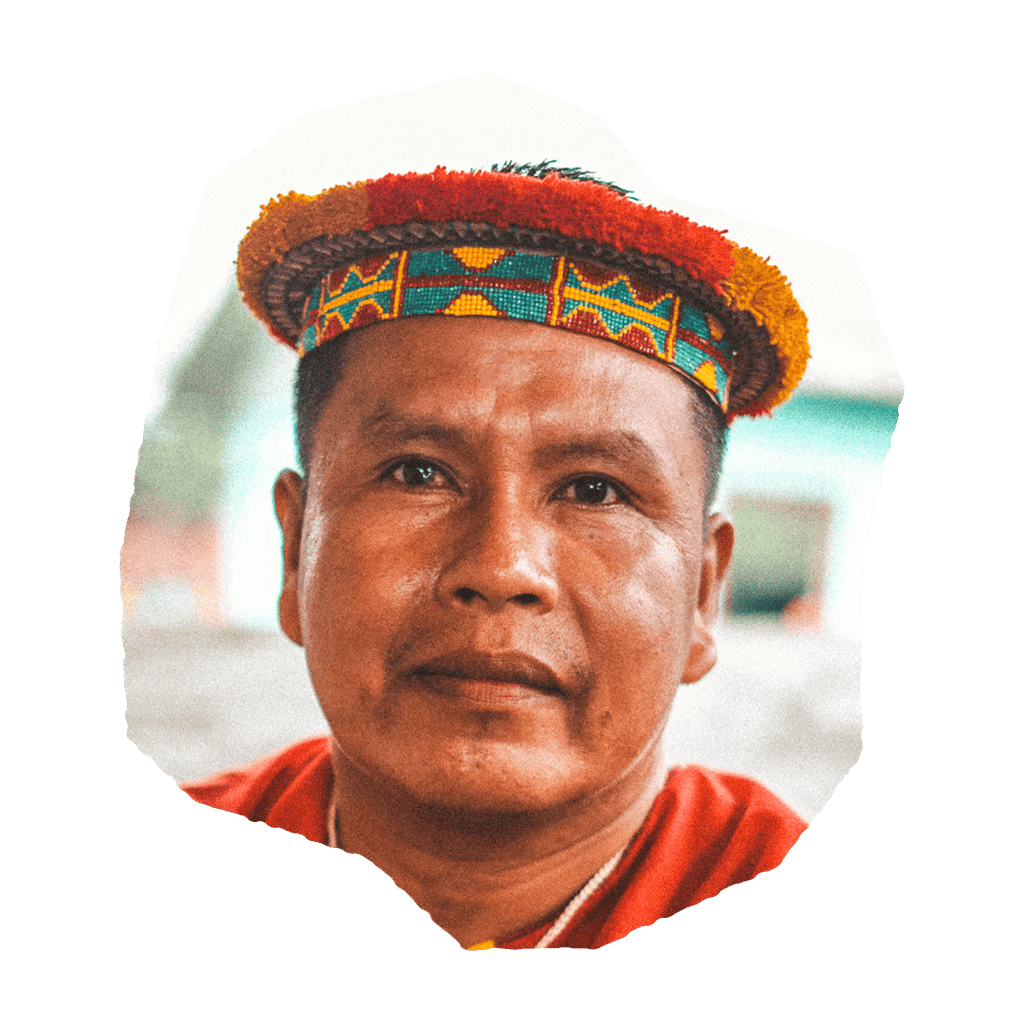
Wilmer Piaguaje, Siekopaai Nation, Community-Led Education Coordinator
It’s a physical and a spiritual journey.
Takiwasi is not a center for Indigenous Peoples from Peru; it’s not. It’s a center designed for people struggling with addiction and alcoholism […] but everything they use there is ancestral medicine.
We needed to strengthen our knowledge of medicinal plants, how to use them properly, and our cultural rootedness. The educators needed to learn this knowledge first, so they may then share it with the children and continue learning from the elders. That’s the dynamic we’re looking to create.
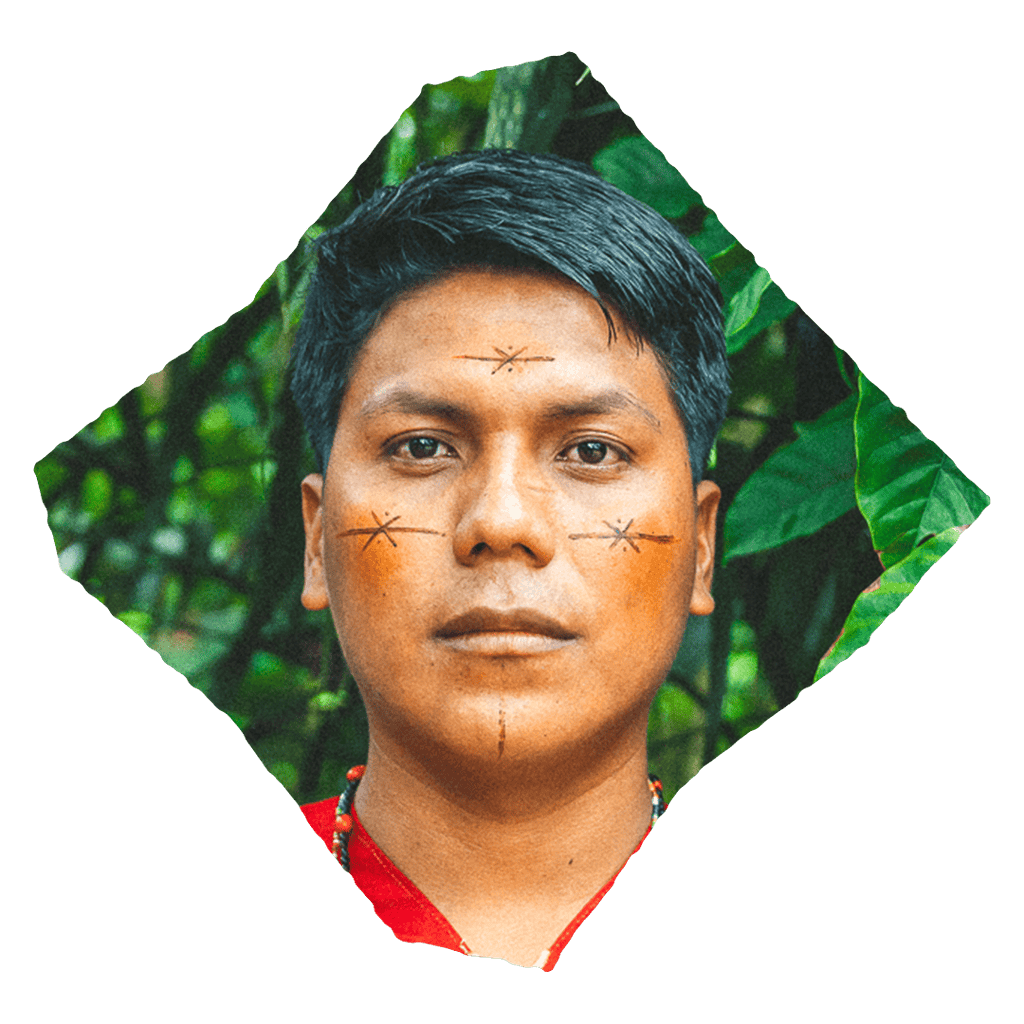
Elkin Piyahuaje, Siekopaai Nation
At first, we feared what might happen because we didn’t know what activities we would have to face. But I also wanted to heal certain things. The purging process, drinking yagé (ayahuasca), and the diet were a challenge for us.
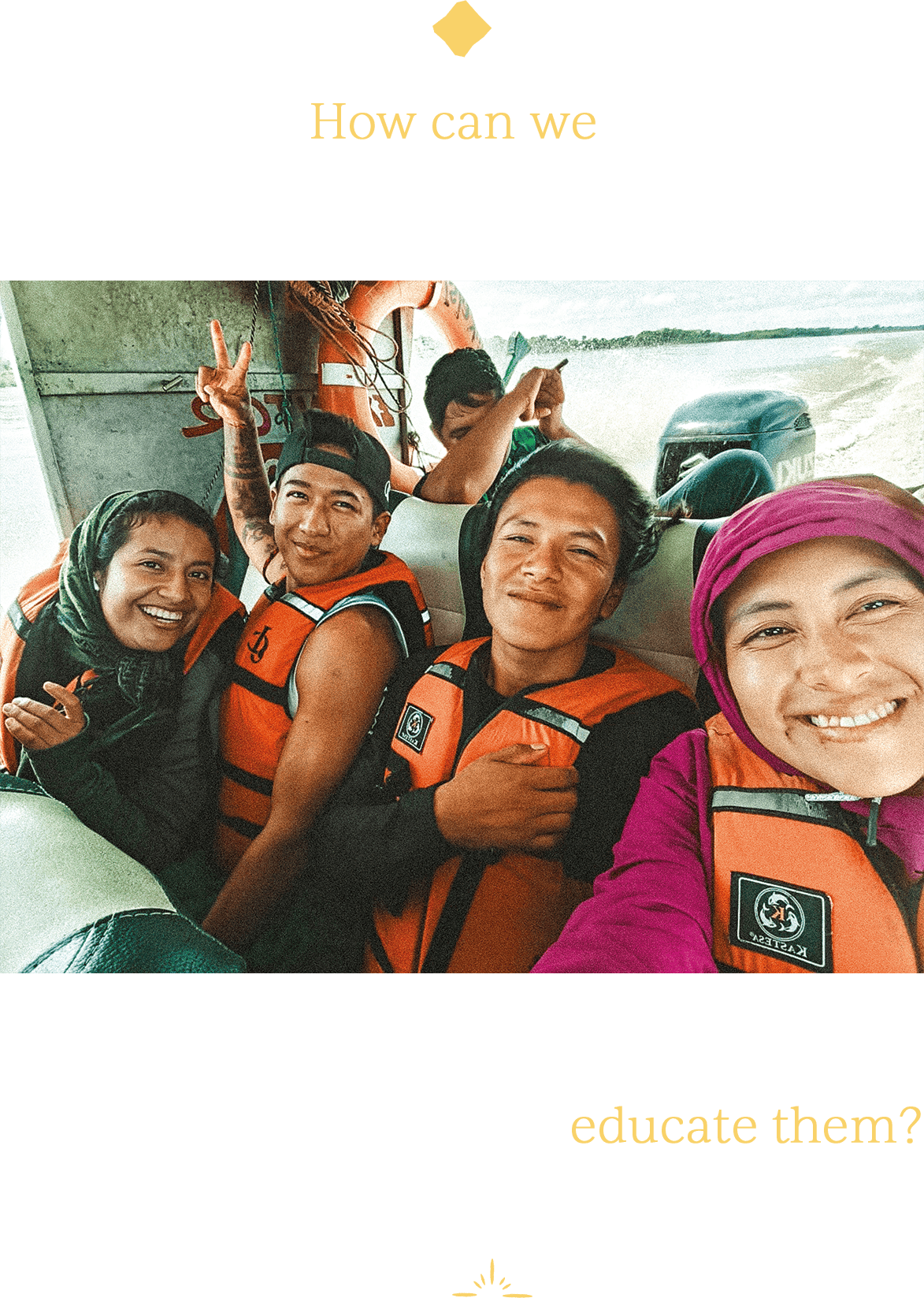
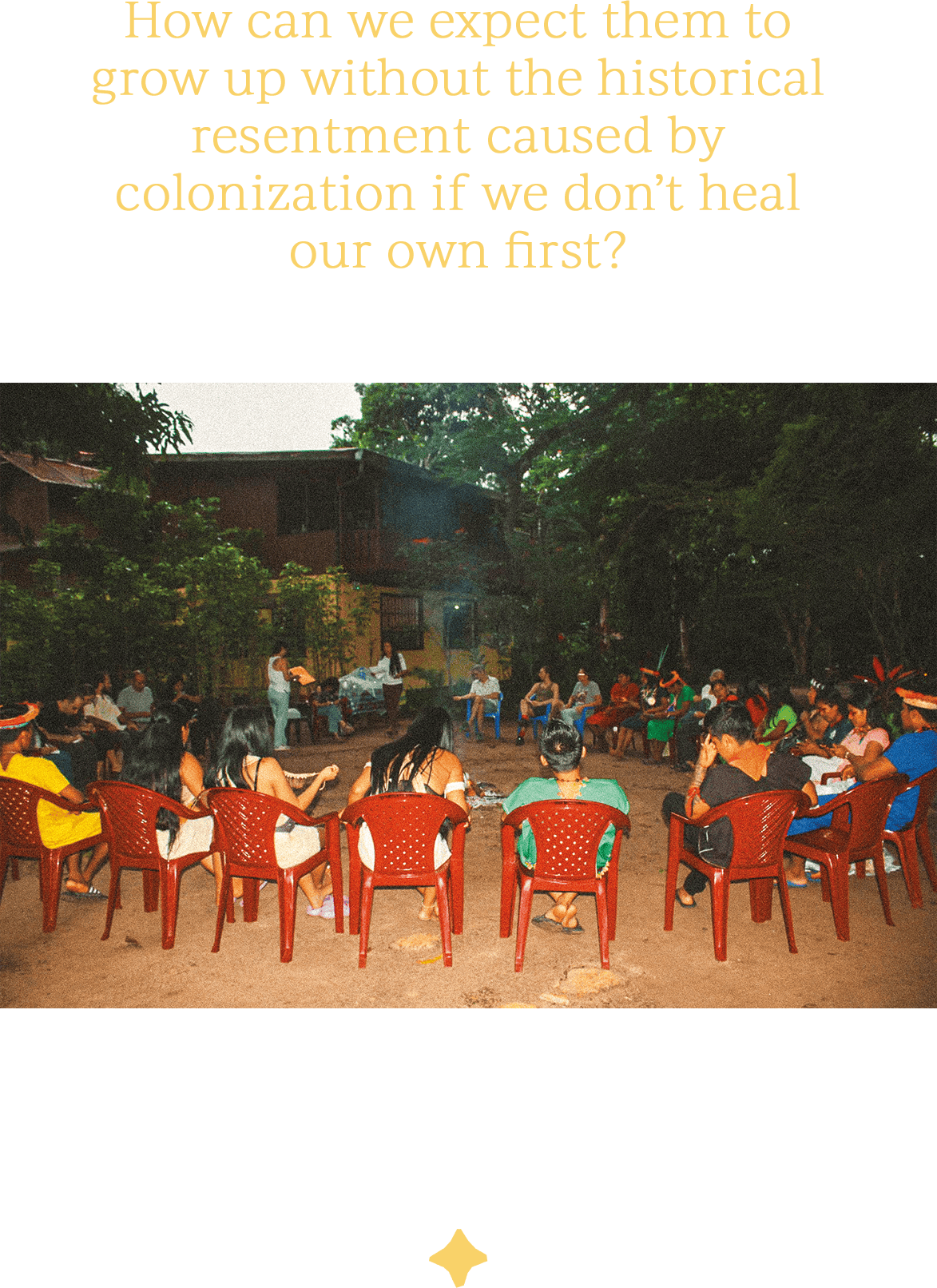
We understood the importance of healing the body, transforming ourselves from within, and returning to ancestral practices. When we arrived, we took a laxative to cleanse our tired bodies from the journey. We began talking among ourselves and asking about our families back in Ecuador; we talked about the things that worried us. There was a mix of nervousness and excitement.
We came from different Nations, but change would bring us together.
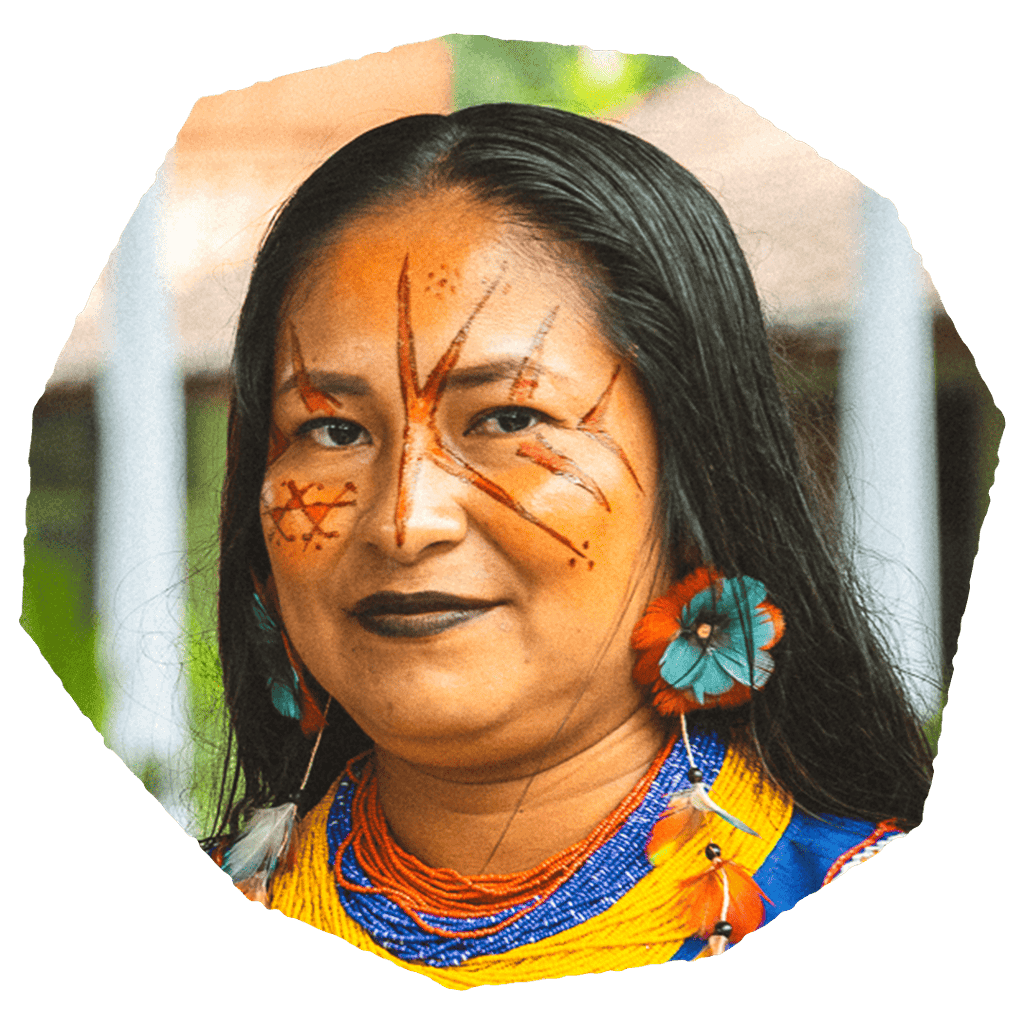
Yurema Piaguaje, Siekopaai Nation
I made this decision for myself to heal the wounds I carry inside me. How can I let out what I have inside? We arrived at Takiwasi, and everything was different. It was a really nice experience. It was my first time drinking yagé.
I think we should organize workshops for children and set an example as future teachers by showing them our customs and ancestral knowledge.
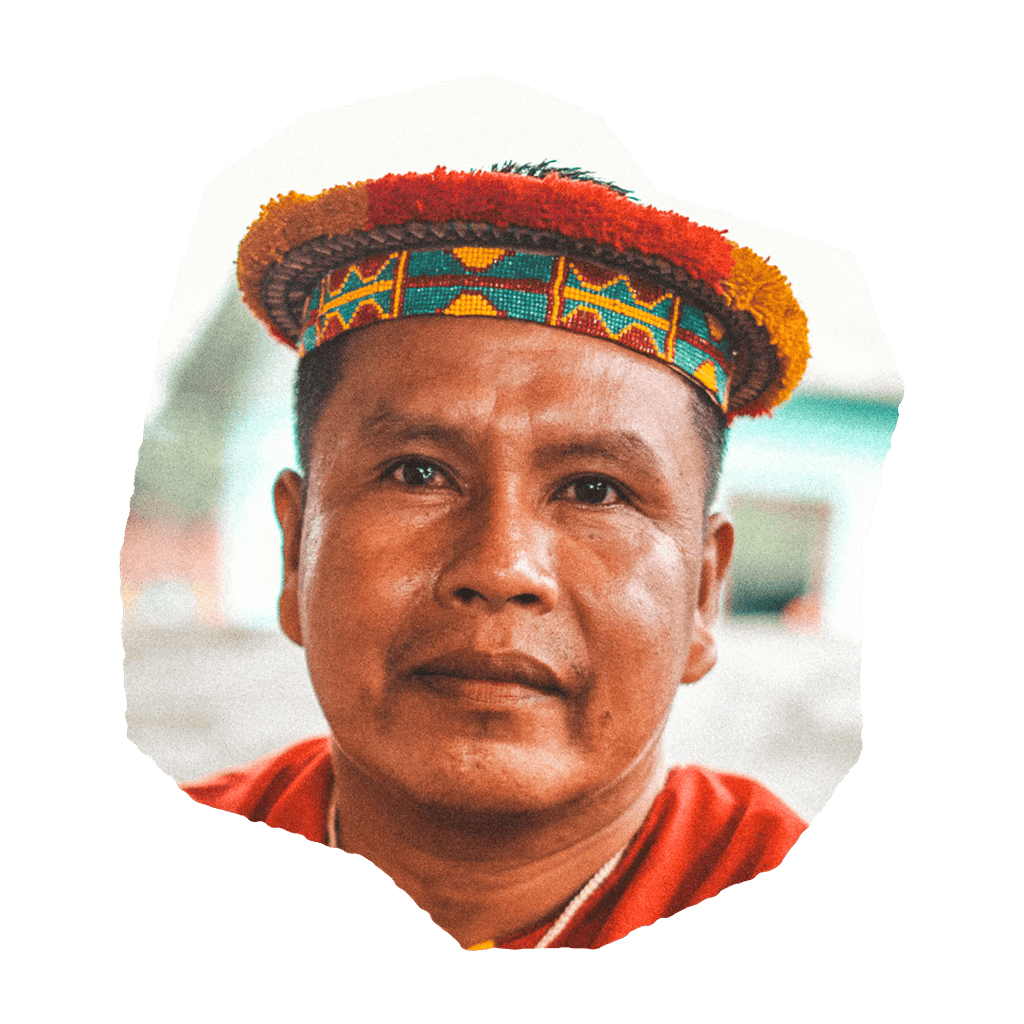
Wilmer Piaguaje, Siekopaai Nation, Community-Led Education Coordinator
This isn’t about learning how to be a shaman or a healer, or becoming a huangana caller. This is a center to support the healing process.
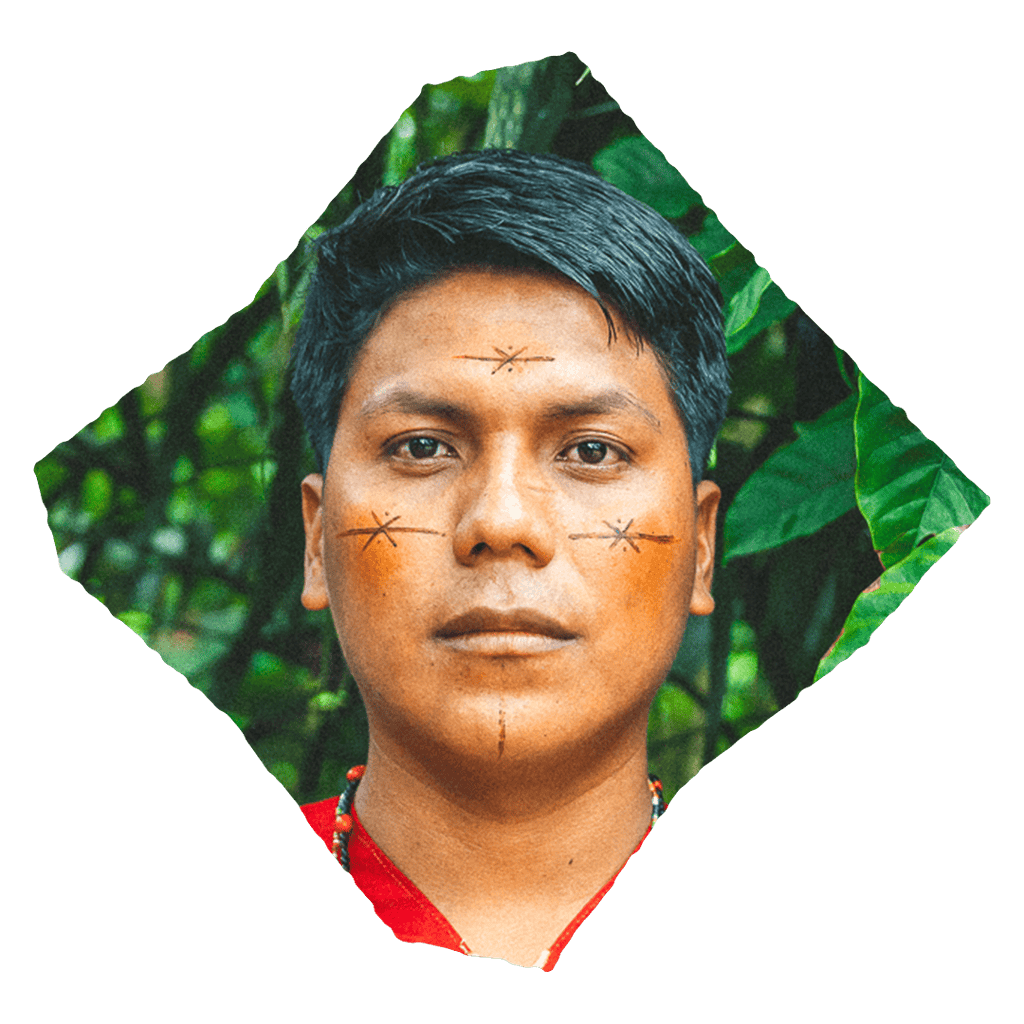
Elkin Piyahuaje, Siekopaai Nation
It's a beautiful morning, I woke up thinking about how my life is going to change after this seminar, many mixed emotions, my mom in very complicated health. That's why I said this would help me get out of my problems.
If I have fear, then I can transmit my fear to others. I need to heal so that I can later be integrated into the community. Also what things we can do to raise people's awareness, so they walk on good paths, at a good pace, and above all strengthen cultural identity.
The purging sessions relied on master plants such as white lilies. We were told the purging bath, a ritual performed before drinking ayahuasca, was made possible by the healing and protective power of the mucura plant.
No one expected it to be like this, but there was a plant for every healing process we needed. Each plant held an energy that aligned with the spiritual purpose.
We learned from them, we surrendered to them.
Some received basil, which calms the mind and refreshes the spirit; others received garlic vine, which strengthens self-esteem and determination; others received bobinsana, which opens the heart and provides emotional stability; others received huayruro seeds, which clear generational patterns; or others received air plant, which relieves headaches.
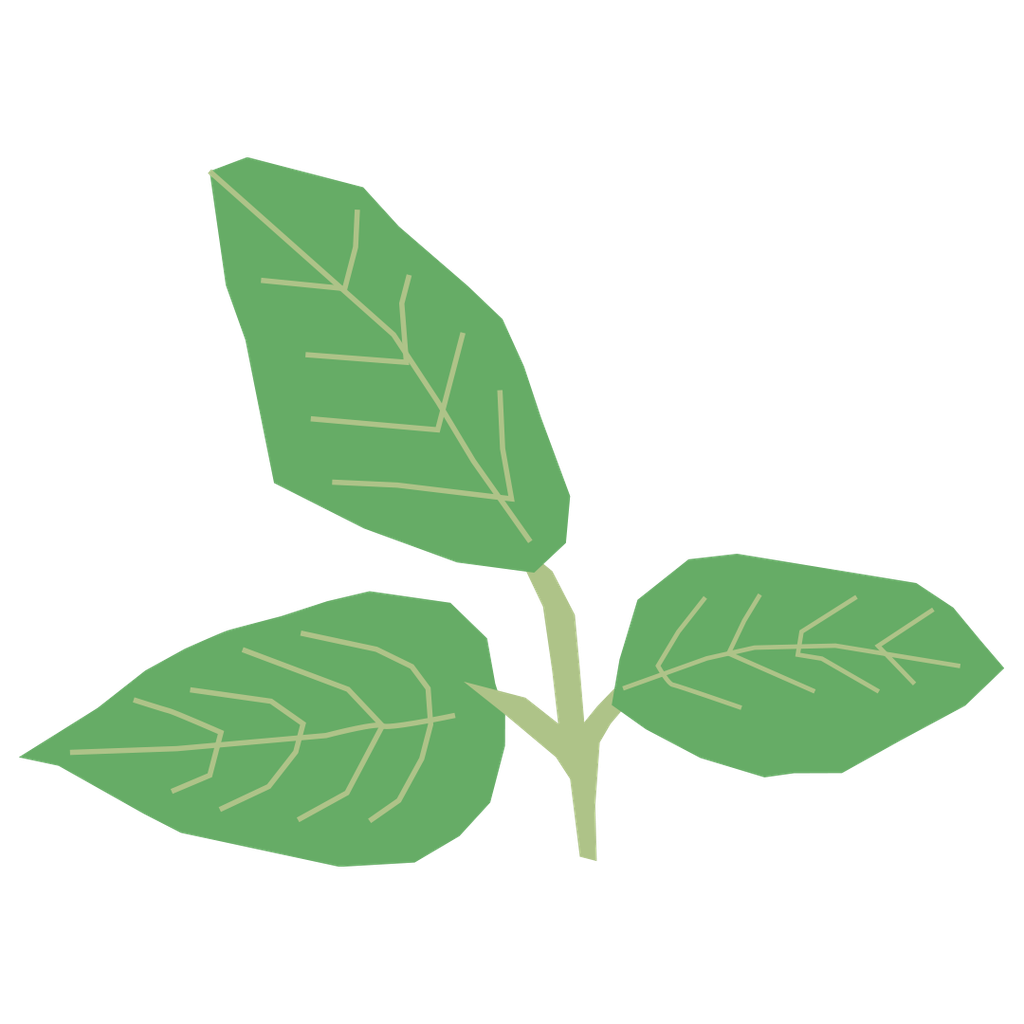
Basil
Calms the mind and refreshes the spirit
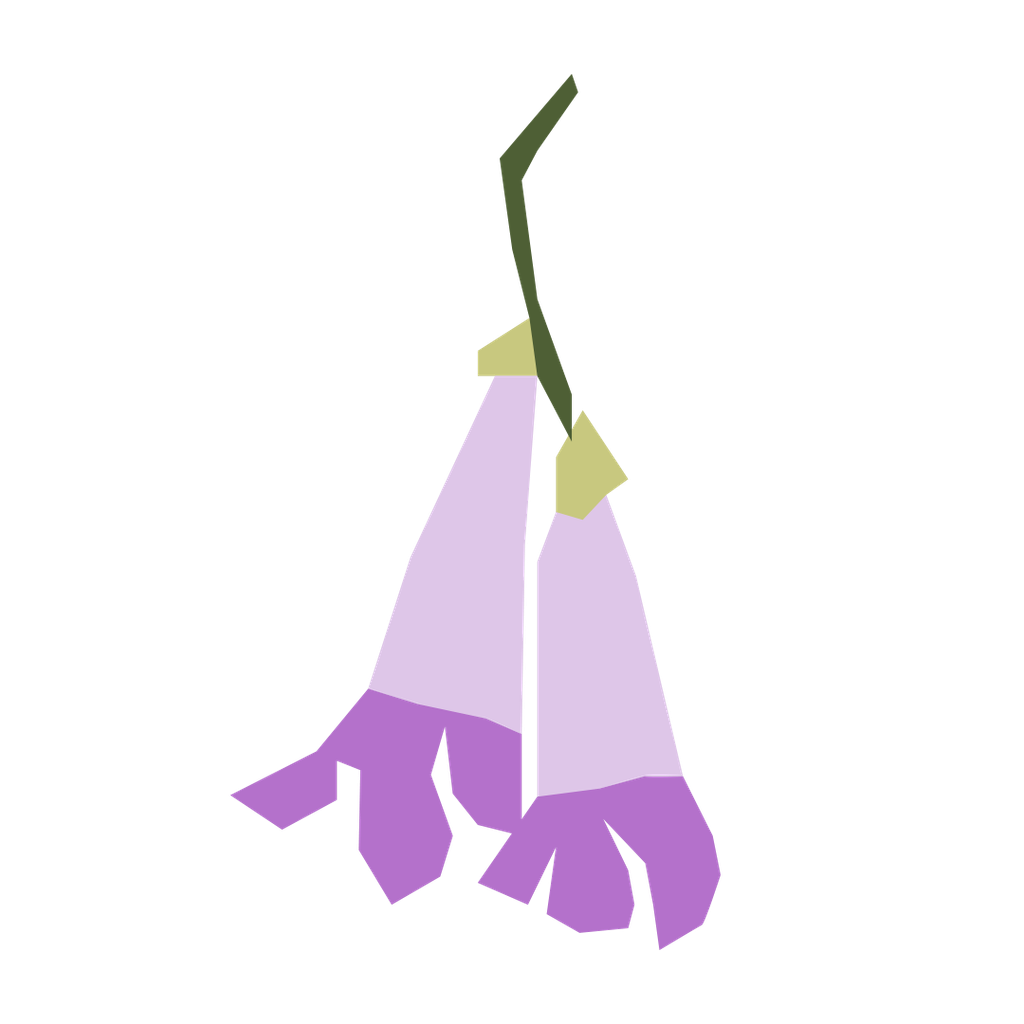
Garlic Vine
Strengthens self-esteem and determination
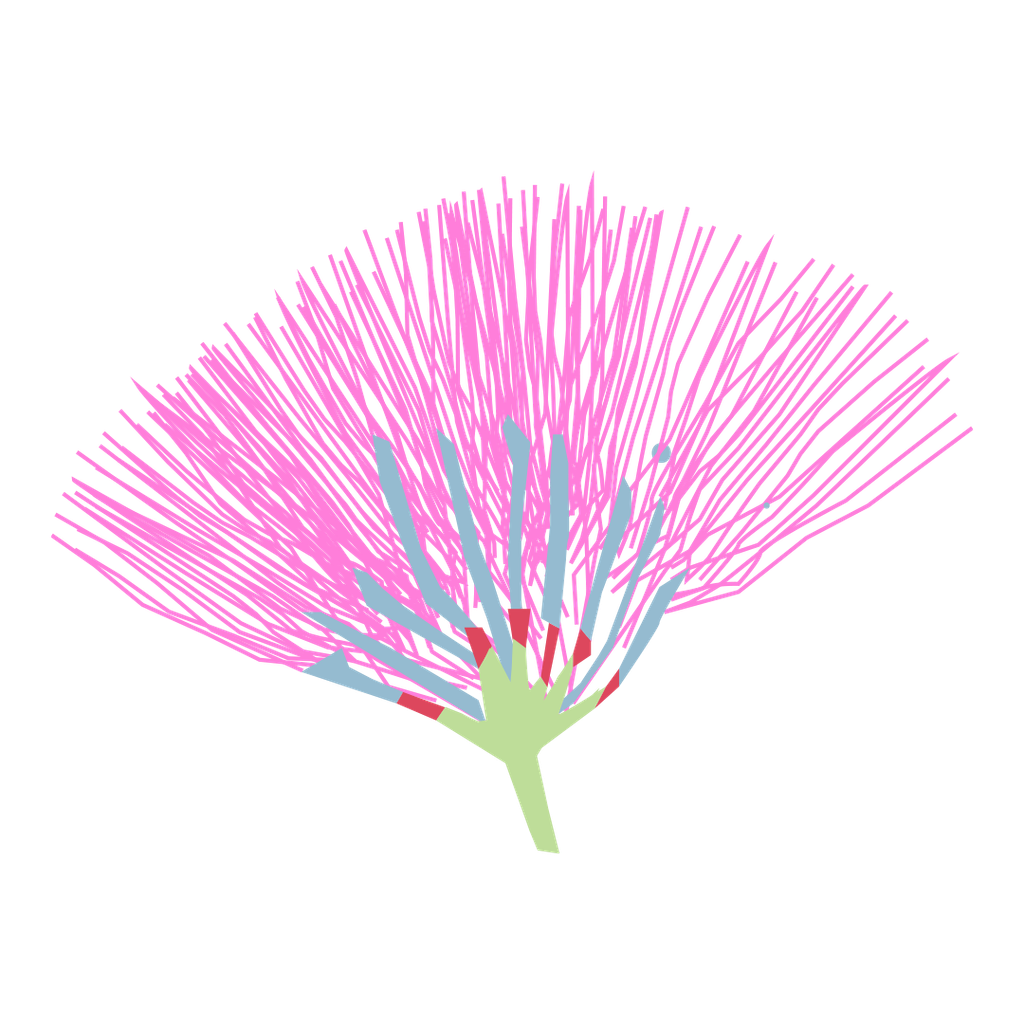
Bobinsana
Opens the heart and provides emotional stability
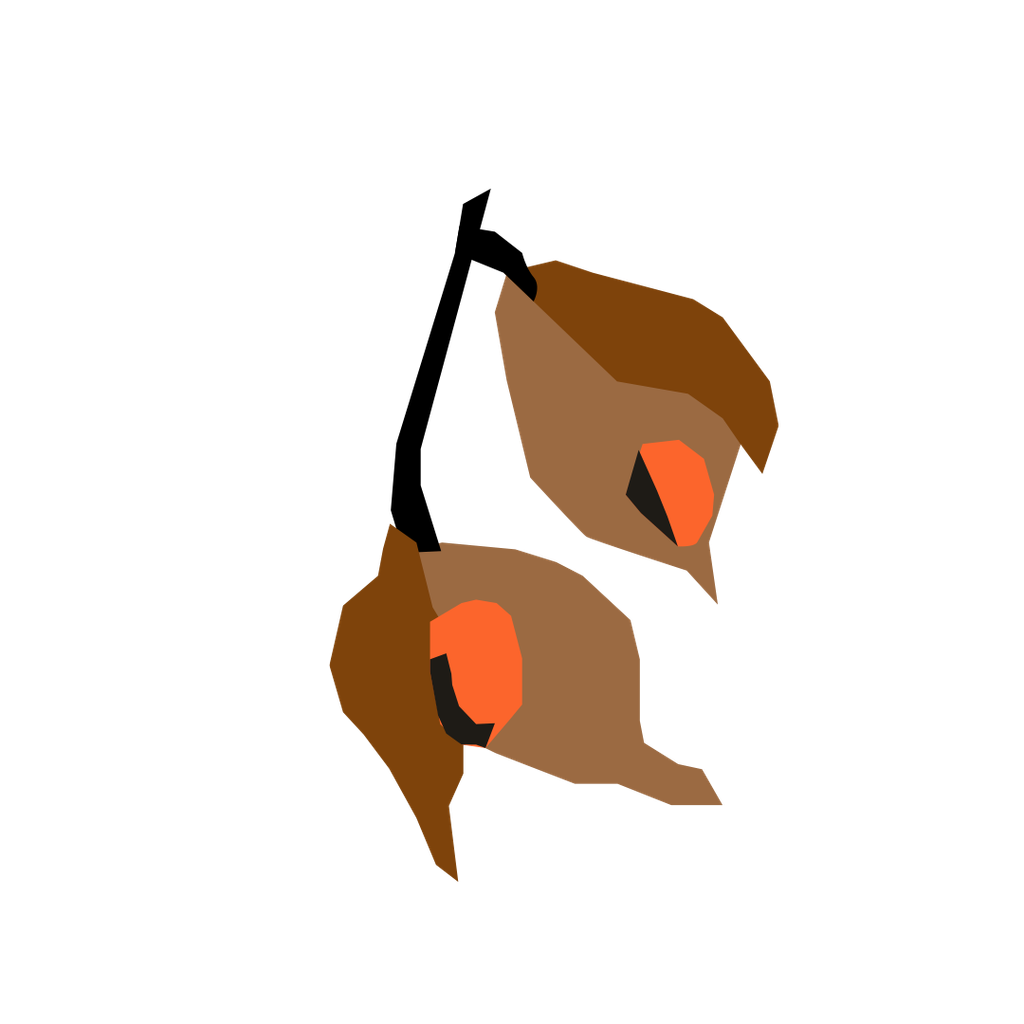
Huayruro seeds
Clear generational patterns
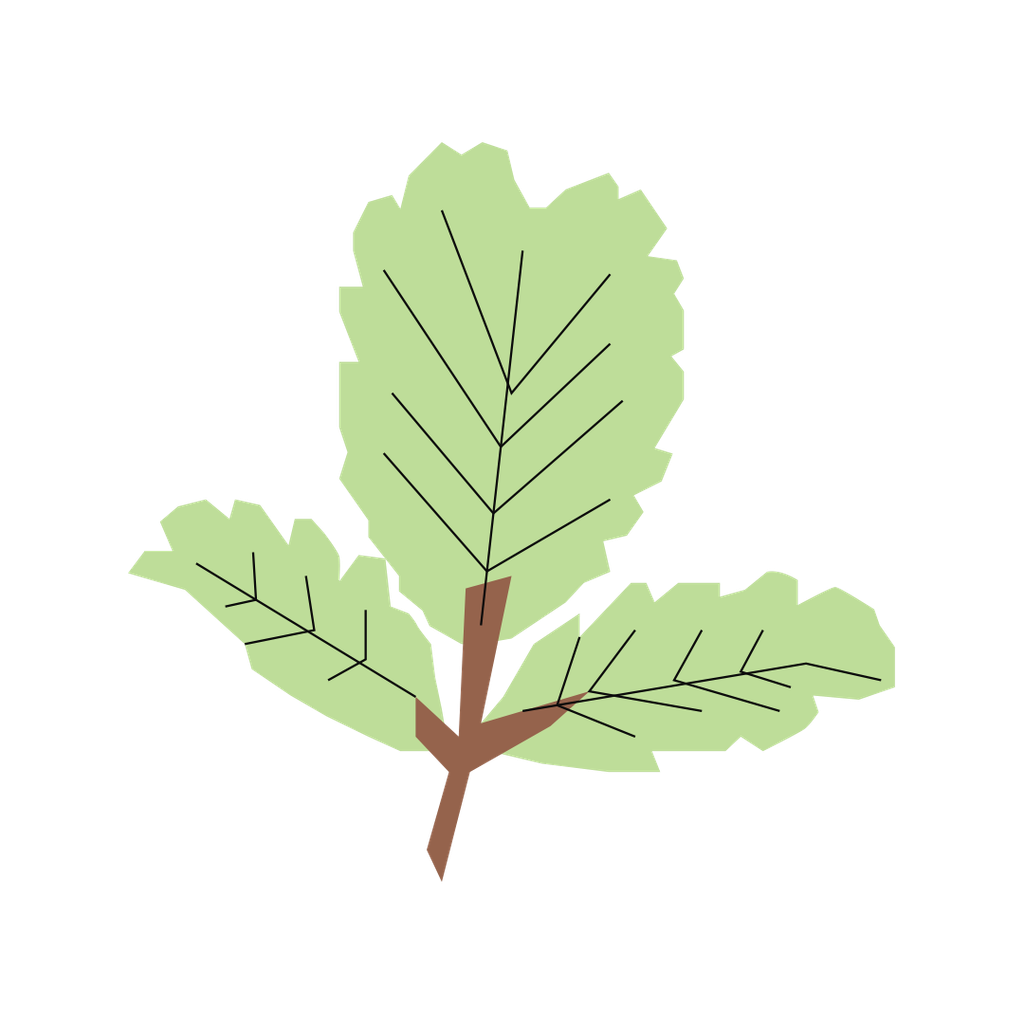
Air plant
Relieves headaches.
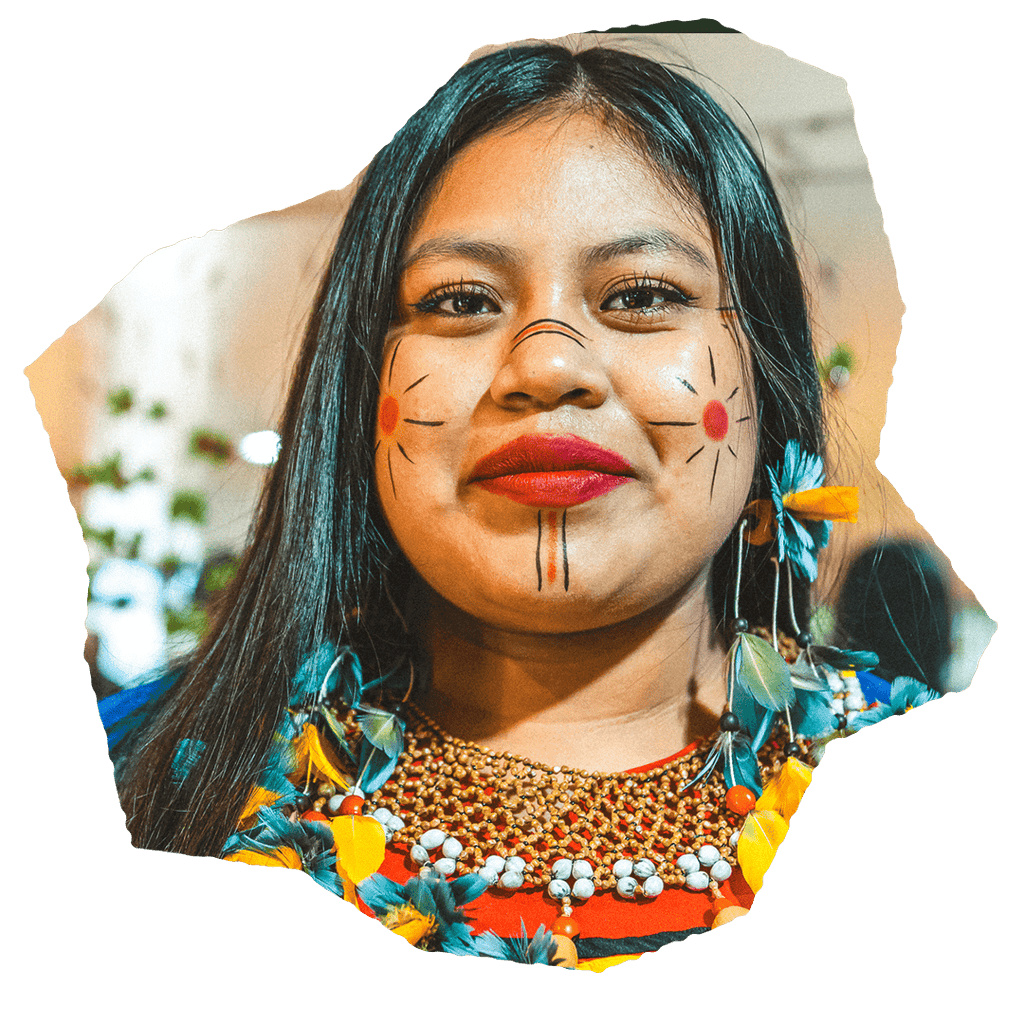
Ariana Narváez, A'i Kofán Nation
The truth is, I know very little about plants, but it was incredible to see the power a plant can have. Medicine is also part of our culture, and we need to teach children about it too. This is the medicine our grandparents practiced.
During the purge, before taking the medicine, I asked it to help me heal the pain I carry inside. The plant helped me relax […] It liberated me from all the pain I had inside me. For me, it was beautiful.
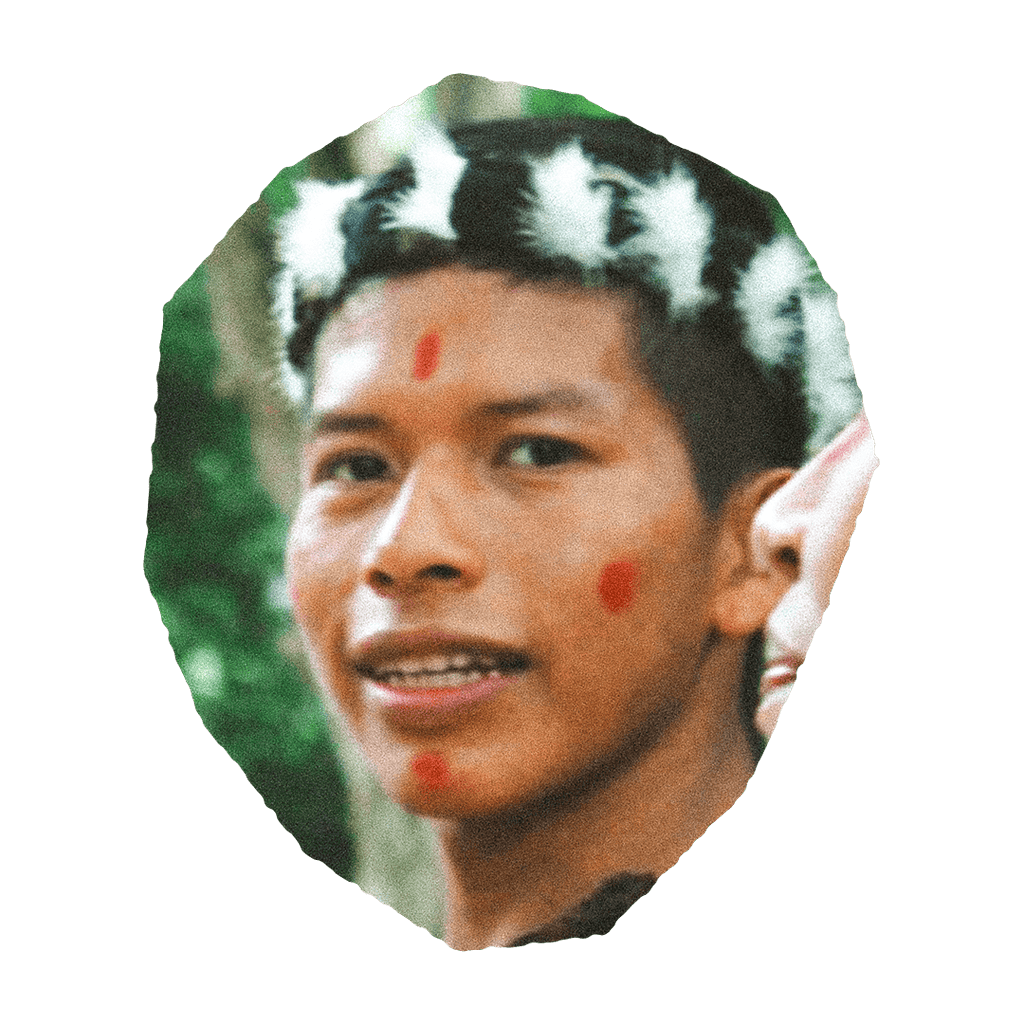
Abel Nenquimo, Waorani Nation
They taught me how to prepare medicinal plants, how to take them, how to use them for plant baths and emetic medicine, for purging, and also how to drink yagé.
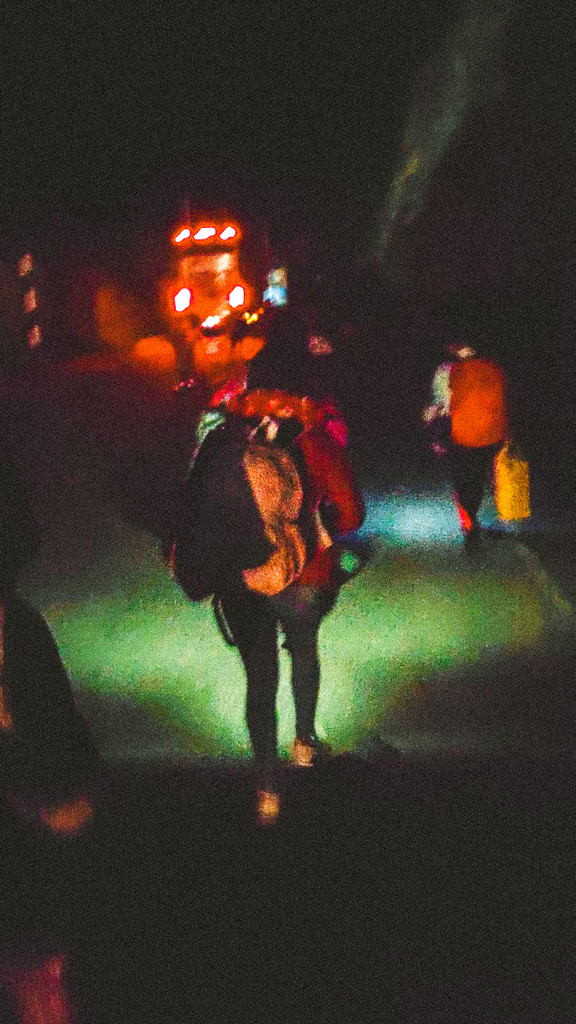
Night had fallen in Tarapoto, and the healer asked us to form a circle. For many of us, it was our first time drinking yagé. Despite the darkness of the night, we could see each other’s faces. Anticipation and unease hung in the air.
We wondered how it was possible for the power of yagé to be in the hands of mestizos and white people. But the plants made those questions fade away. We were no longer afraid. Thoughts of good and evil no longer wandered through our minds either.
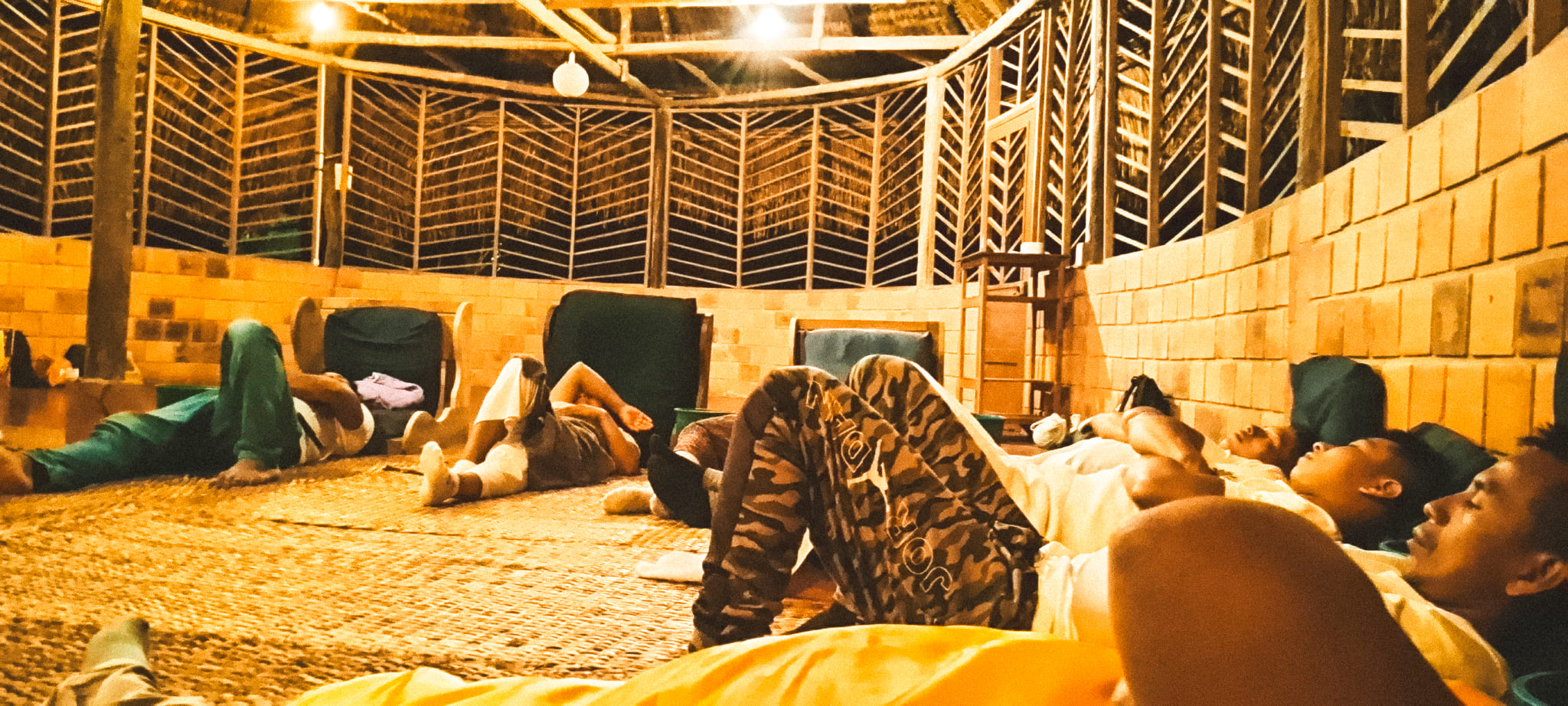
The healer began singing icaros. Without rush, therapeutically. The night passed slowly, then suddenly. We had been told that visions would appear that we wouldn't like, but that was the point.
We were not allowed to speak to one another, but we could hear each other crying, vomiting, and praying to the rhythm of the icaros. Though at times in an indecipherable language, the icaros were the melody of nature.
That was the energy that healed our inner struggles as dawn approached.
In the hour of silence.
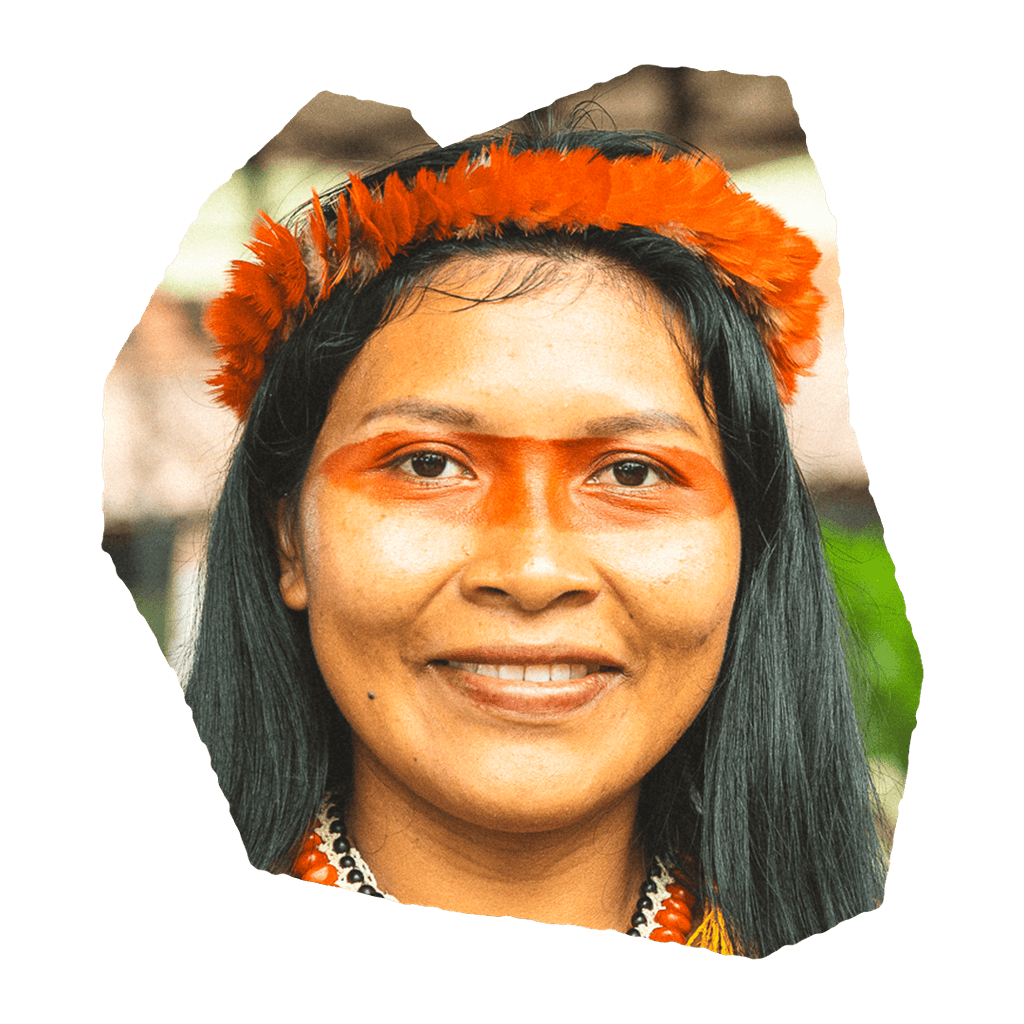
Ana Nenquimo, Waorani Nation
We were all in the hut waiting a moment for the teachers. I felt afraid. After we all drank Ayahuasca, they turned off the lights and I kept my eyes closed and they began to sing the icaros.
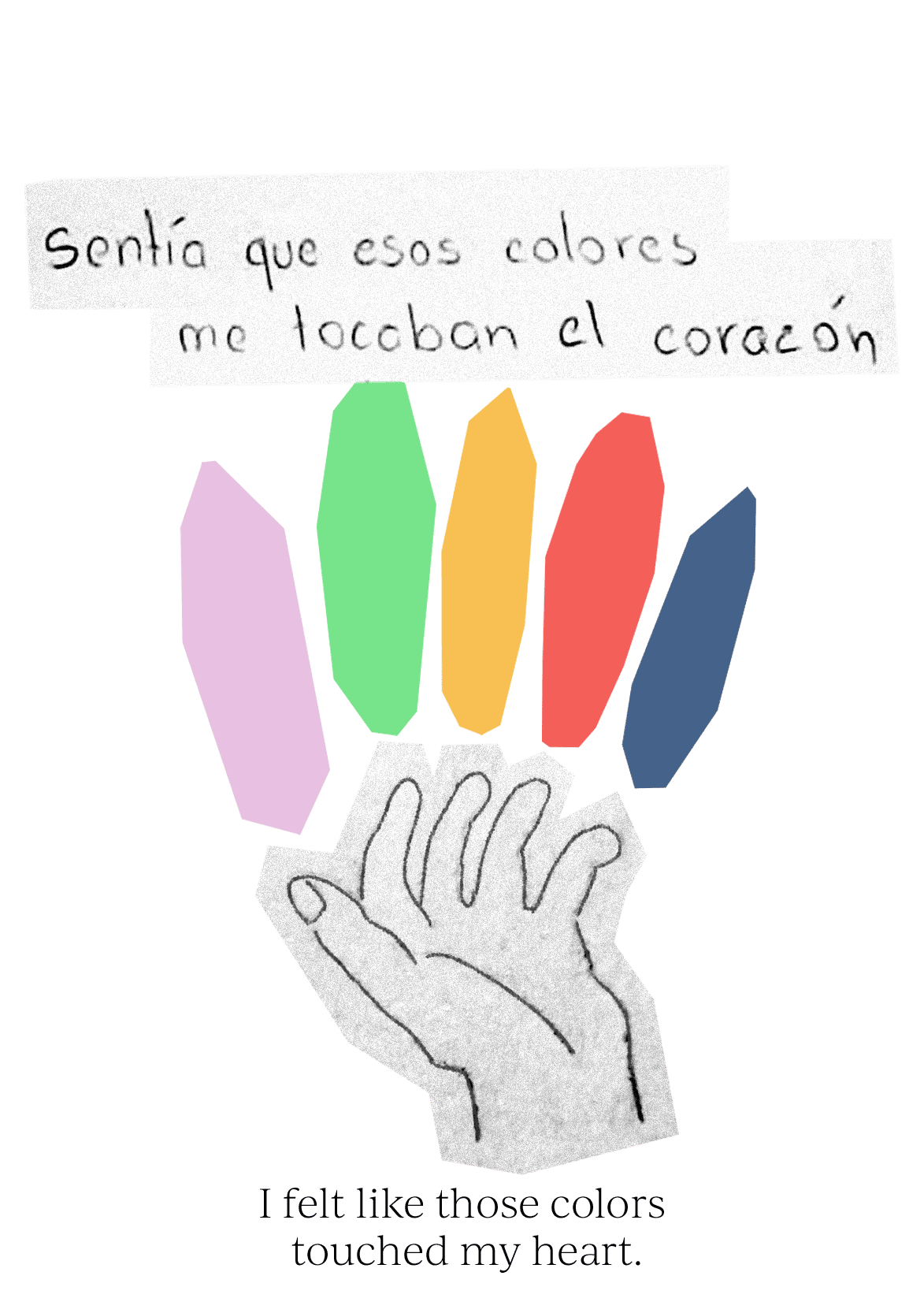
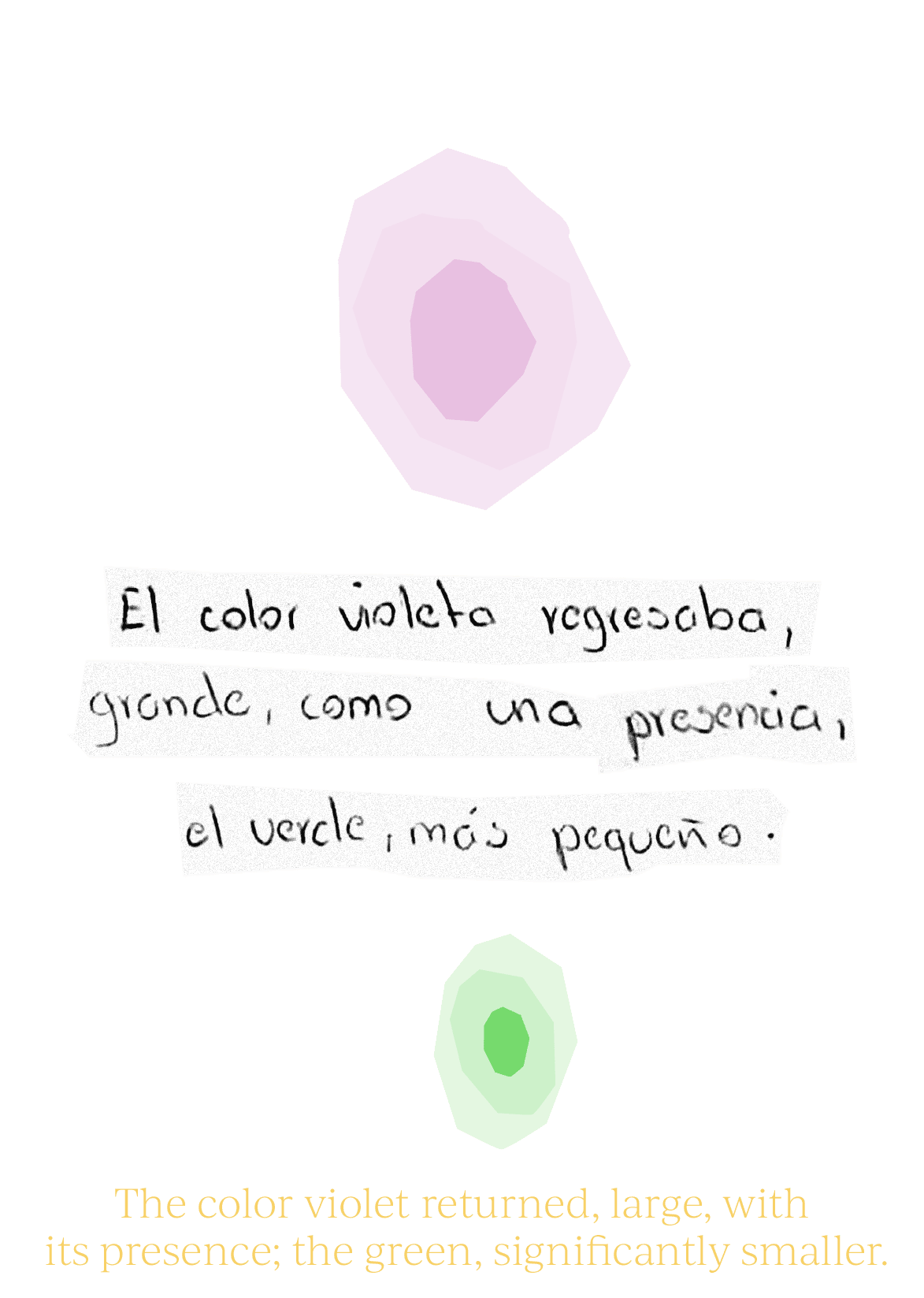
I felt the colors touching my heart, entering through my eyes and then softly disappearing.
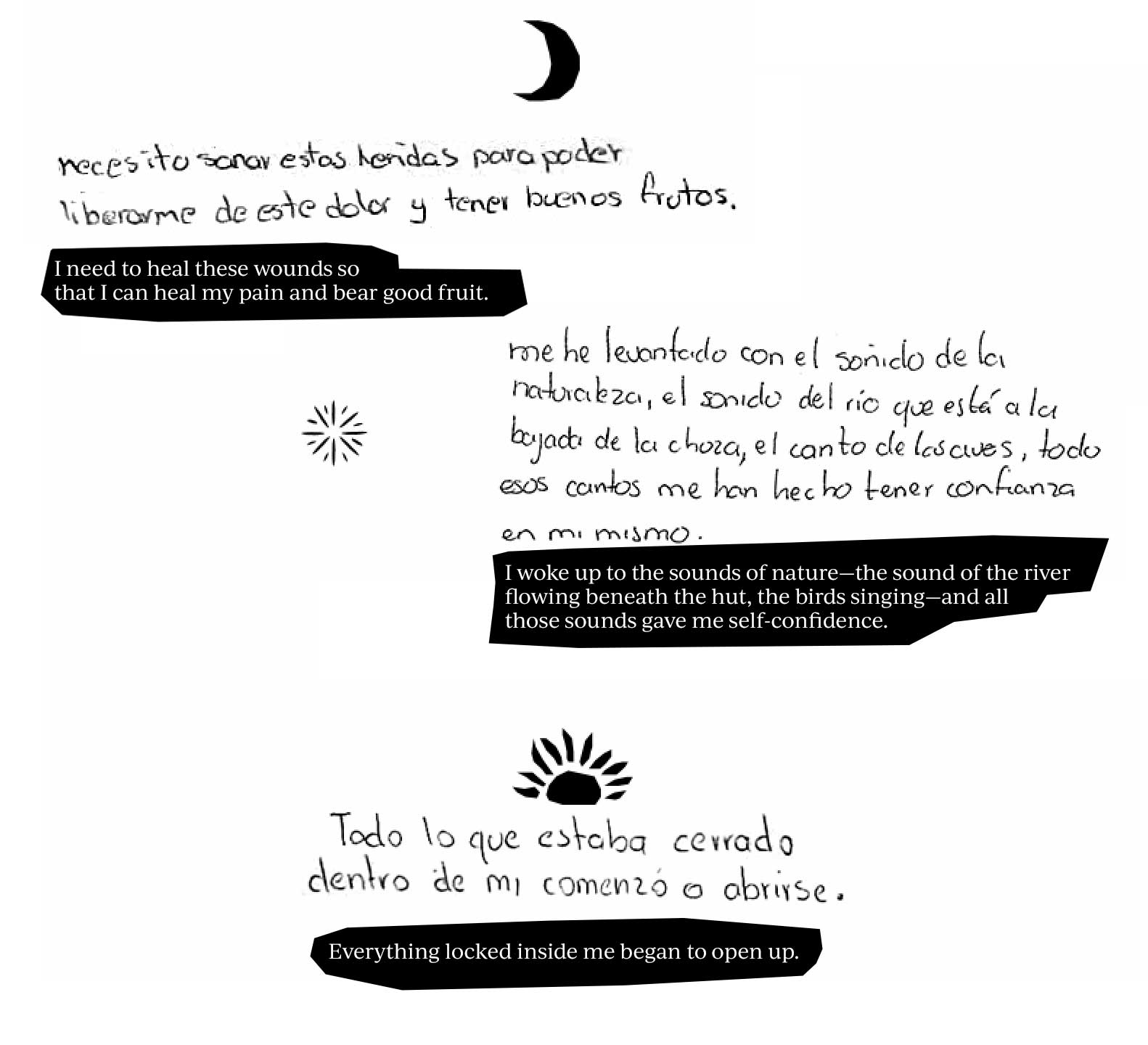
I felt myself connect more deeply with the earth, fire, and air. Everything that was closed within me began to open. I thanked each element and said: "Here I am; I remain with you."
Abel Nenquimo, Waorani Nation
I had somewhat strange dreams, they came to attack me, with both knives and spears. I entered a tunnel and we fought there. I defended myself to save myself and save some children. I think that medicinal plant was fighting the illnesses I had.
After the purge and the yagé sessions, we continued with a four-day diet. We were told this was an important step so the master plants could work more deeply within our bodies.
During those days we isolated ourselves; we stayed in cabins. The diet consisted of light food without salt, only rice and oatmeal with no seasoning of any kind. This was the way to keep any toxic substance from blocking our sensitivity. We faced those repressed emotions that had been part of us for so long.
We listened to the current of the river, the crash of the waterfall. The journals kept us company, allowing us not to remain alone. The journals reflected the learning and healing we experienced throughout the journey.
Our contact with nature and with our journals became contact with our inner world.
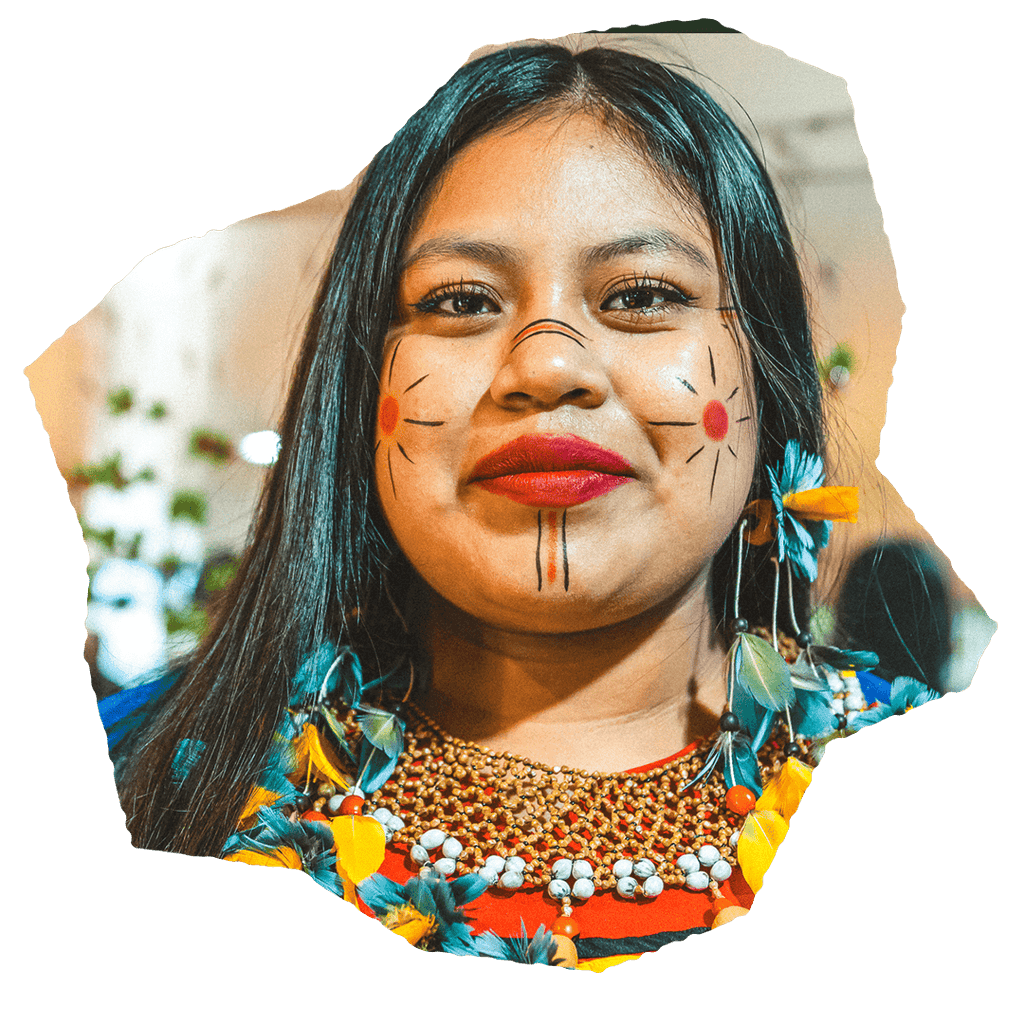
Ariana Narváez, A'i Kofán Nation
I feel much more energized, much happier, eager to keep going.
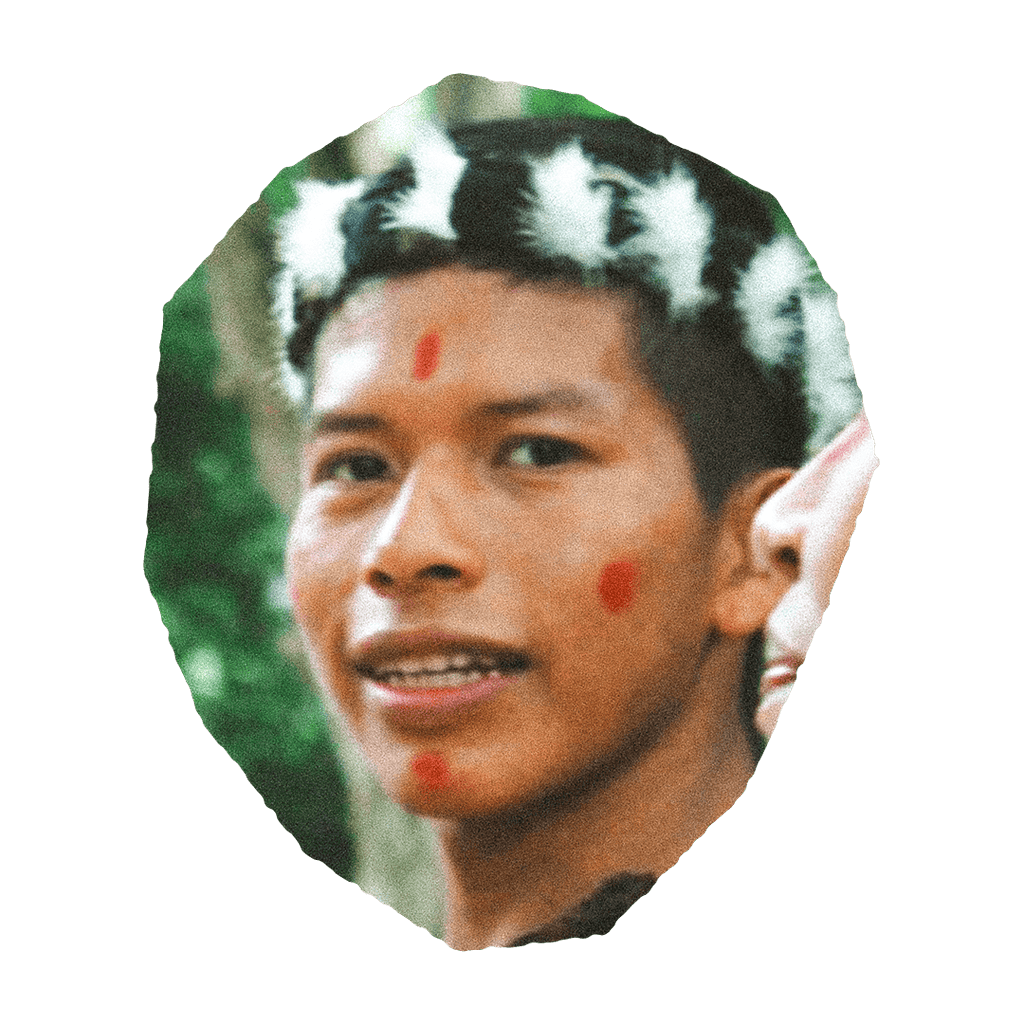
Abel Nenquimo, Waorani Nation
At home I did the plant bath four times, but I still need to practice more. Today I'm happy; content, I wasn't like that before.
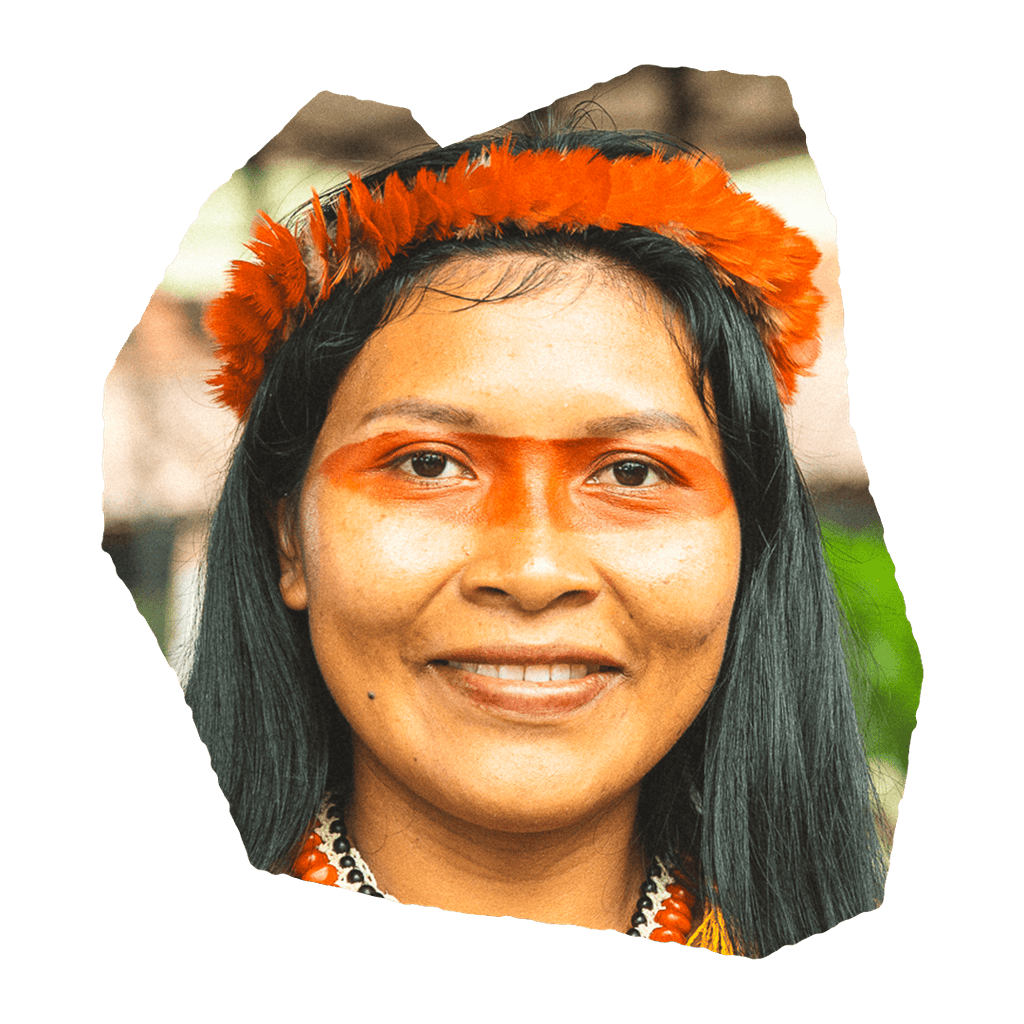
Ana Nenquimo, Waorani Nation
This morning, I felt very good, I woke up to the sound of nature, the sound of the river down below the cabin, the singing of the birds, all these songs have given me confidence in myself.
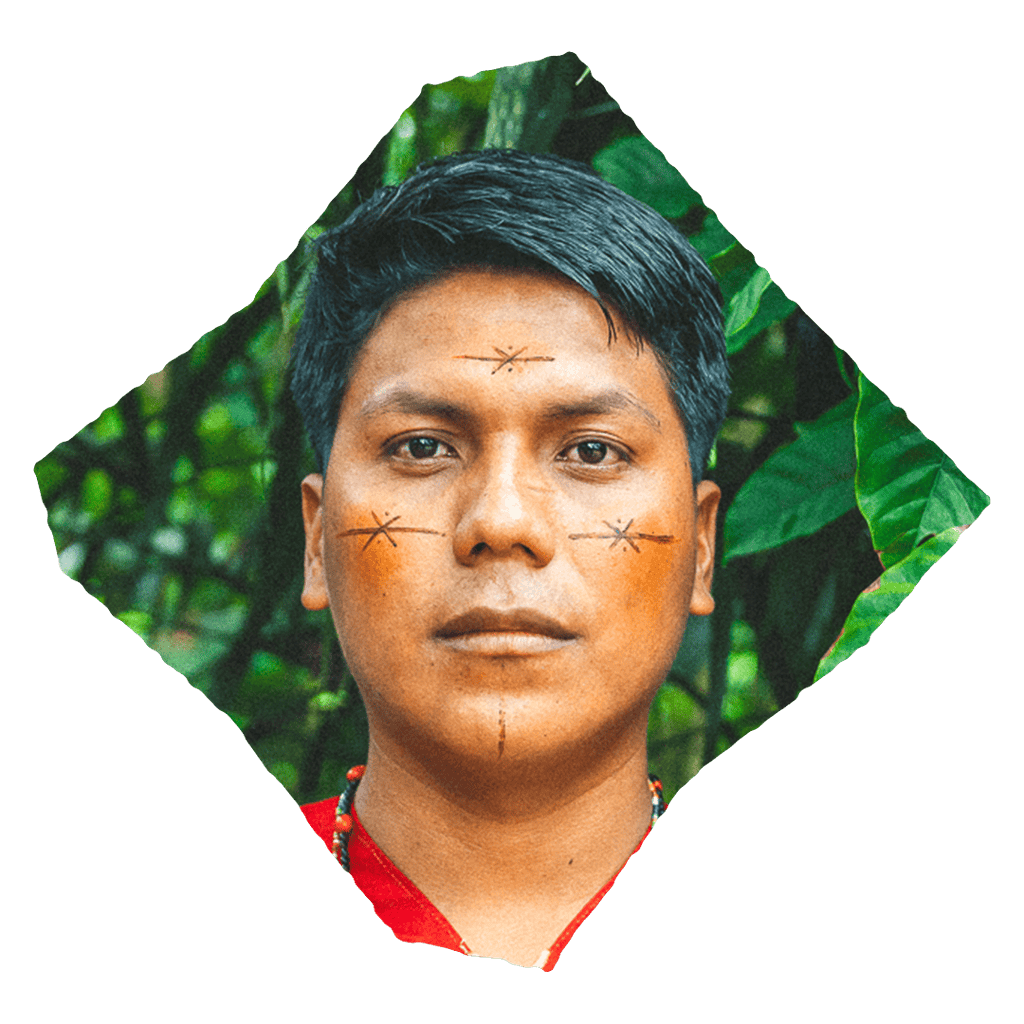
Elkin Piyahuaje/Siekopaai
This morning, I felt very good, I woke up to the sound of nature, the sound of the river down below the cabin, the singing of the birds, all these songs have given me confidence in myself.
At dawn I bathed in the river; I felt so refreshed. Then I went back to my cabin. And now I'm trying to analyze and think about what I want to do.
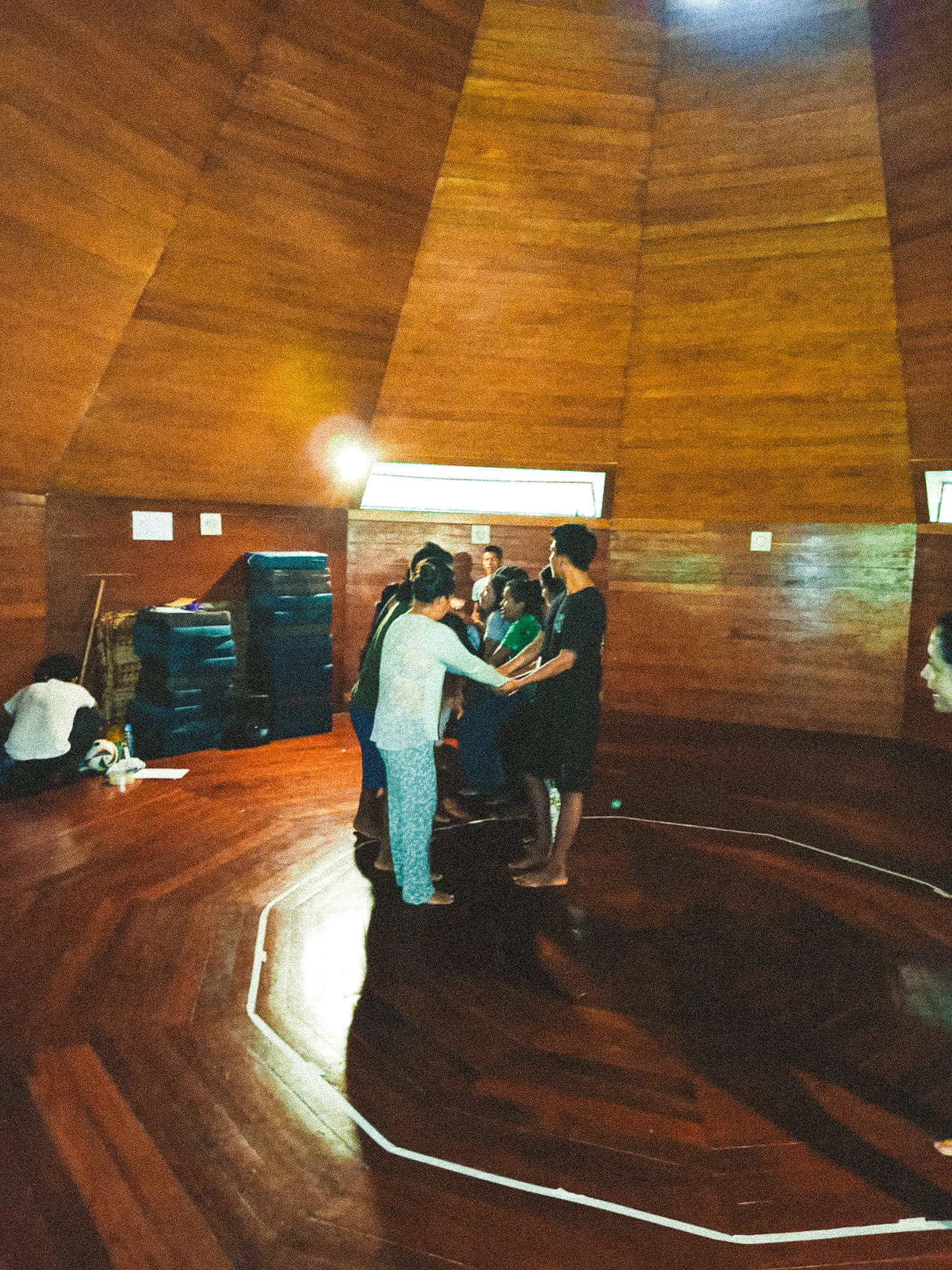
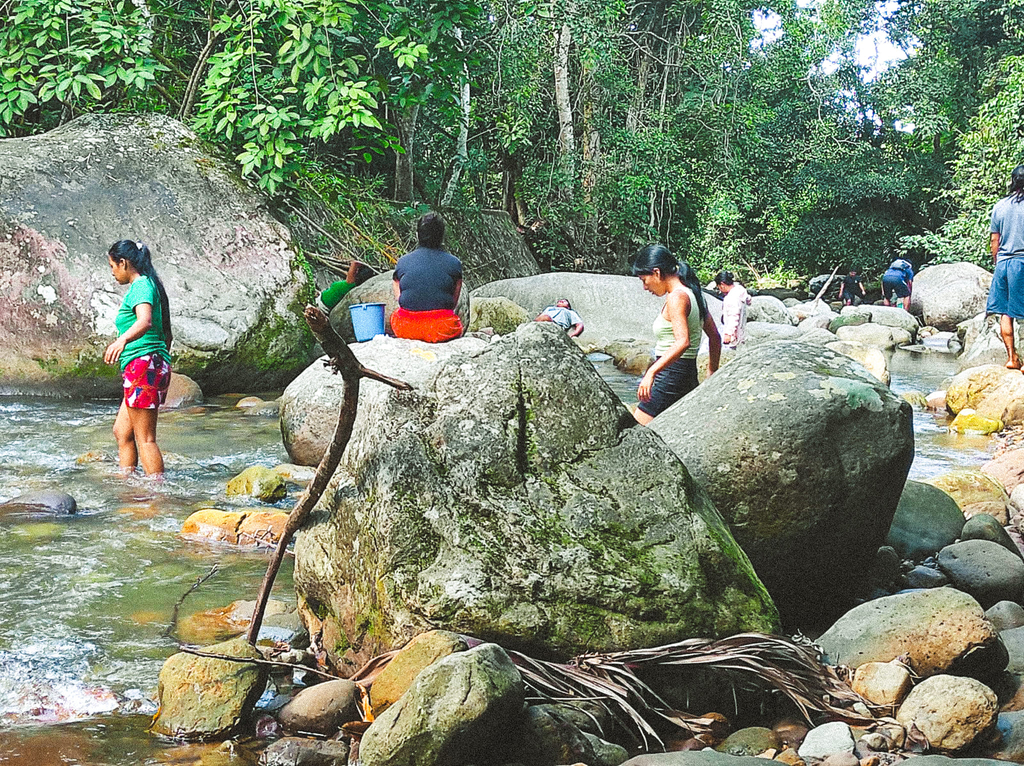
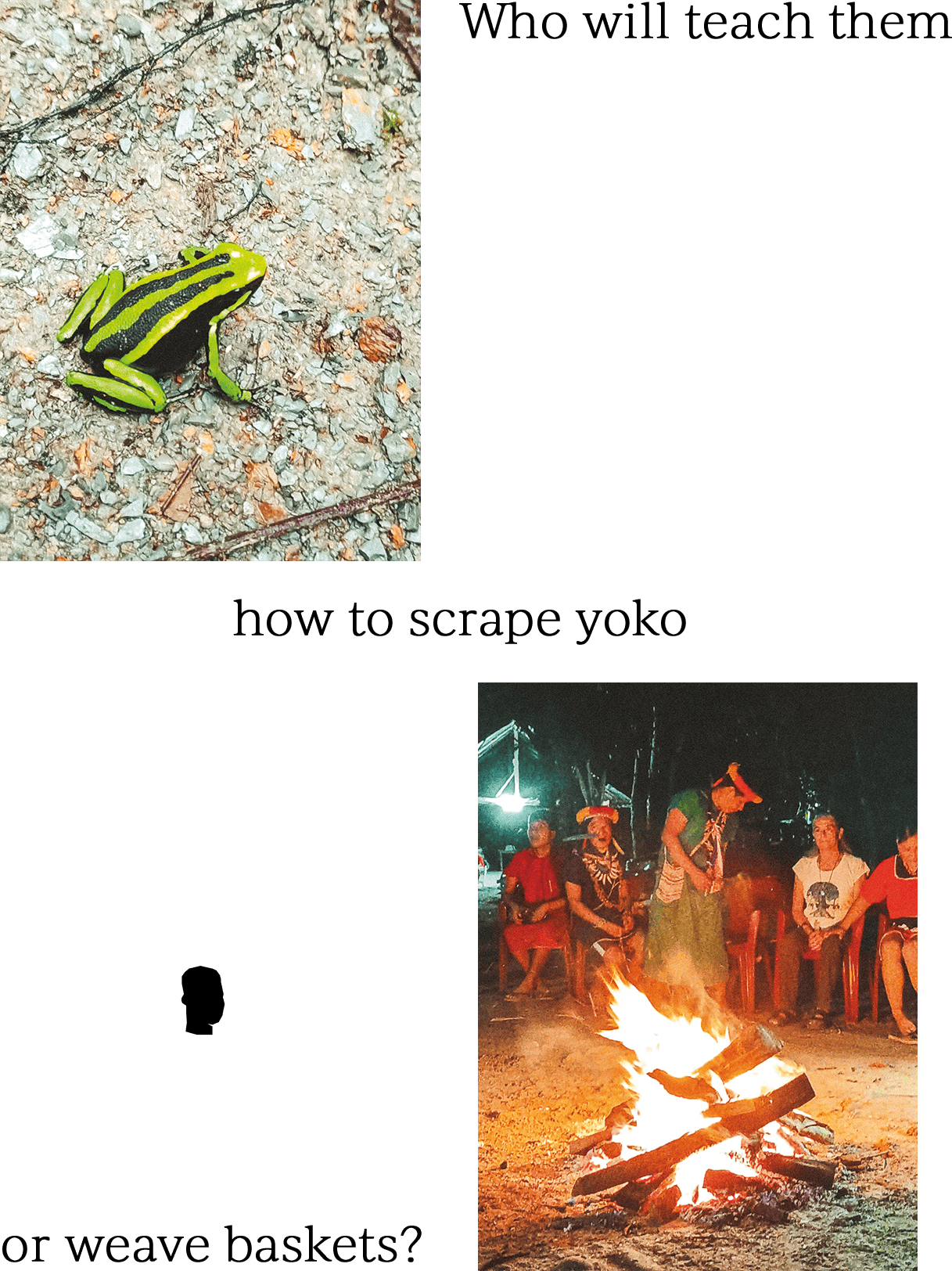
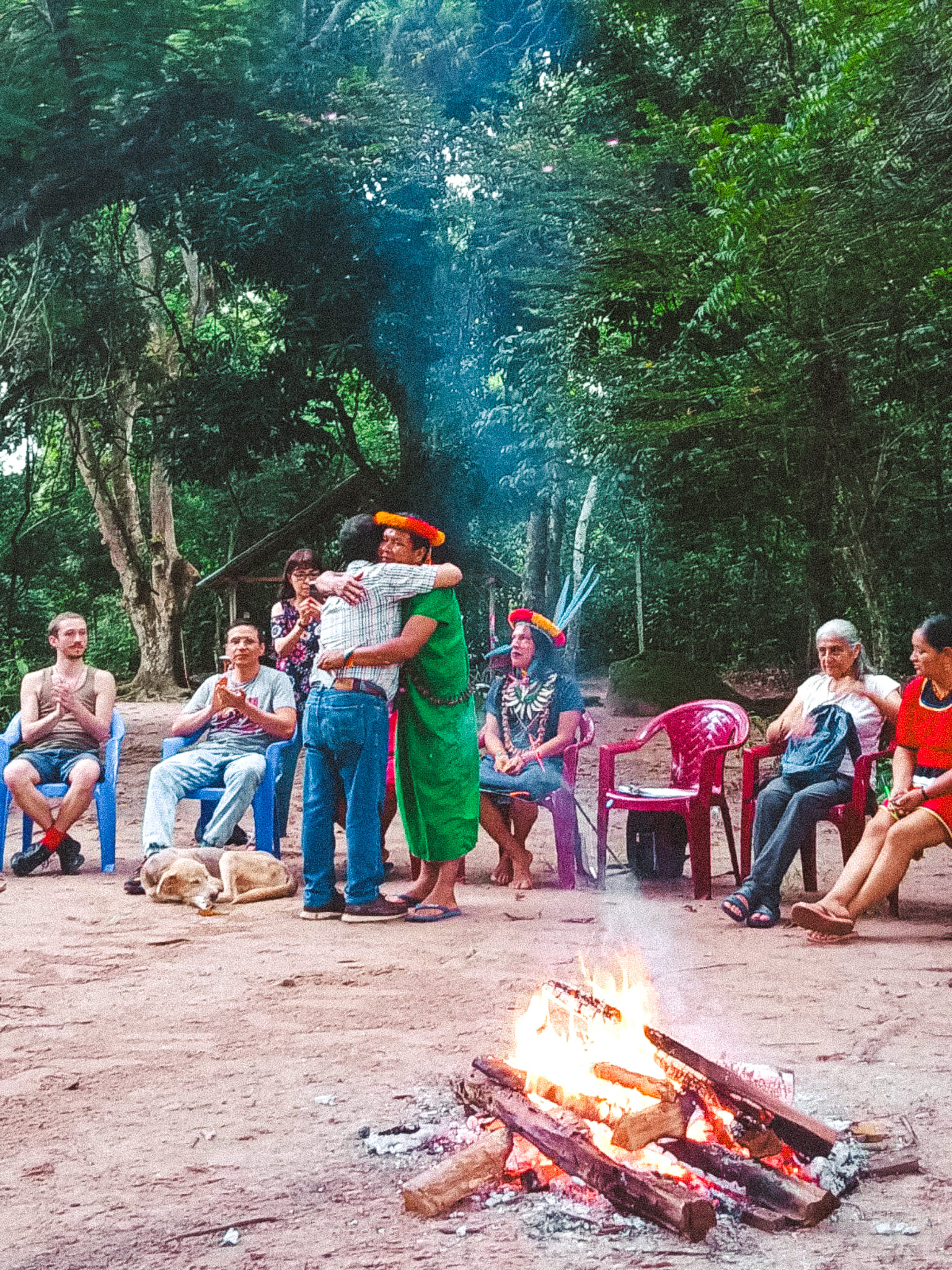
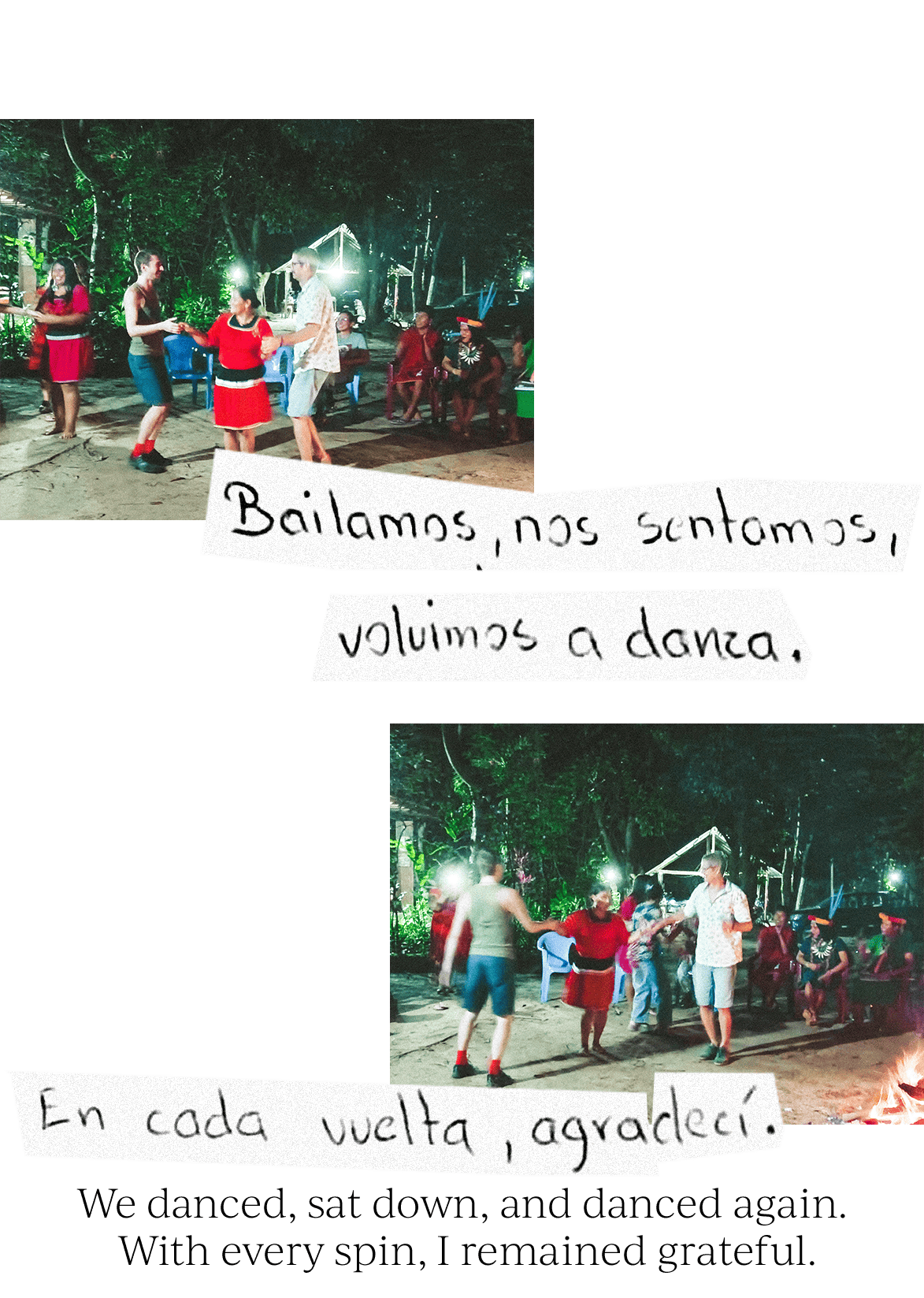
We were asked to write on a piece of paper the habits and feelings we would let go of. On another, we wrote the commitments we would hold on to. This was one of our last gatherings around a fire. The fear we felt at the beginning turned into certainty by the end of the journey. Each of us read out loud what we were letting go of and the commitments we were making. Honesty was the rule during this reflection exercise. We listened to and accepted each other. We threw the papers with the things we were letting go of into the fire. We watched the ashes scatter and the smoke fade into the night.
We were healing.
This act renewed our commitments—the same ones we had written down and would carry with us as we returned home, to our families and our territories.
The future of community-led education was in our hands.
Credits
Participants, photography, diary entries, interviews and illustrations: Angie Nenquimo / Carmen Simbaña / Abel Nenquimo / Mireya Nenquimo / Sisa Caiga / Ariana Andy / Sonia Hernández / Alfredo Criollo / Wilfrido Lucitante / Yurema Piaguaje / Madilson Piaguaje / Eber Piaguaje / Davixon Lusitande / Elkin Piyahuaje
Project coordinator: Michelle Gachet
Interviews: Michelle Gachet and Erika Castillo
Writing and editing: Kervy Robles
Editorial overview: Erika Castillo and Alejandra Pérez
Illustration and map animation: Morelia Mendúa and Shen Aguinda
Design, digital illustration and web development: Omar Torres Bobadilla
Acknowledgements
Patricia Peñaherrera (Community-Led Education Program coordinator for Amazon Frontlines and Alianza Ceibo) and Wilmer Piaguaje (Community-Led Education Coordinator for Siekopai Nation)
Takiwasi Center