
Navigating the Traces
of Extractivism:
Indigenous Youth Reflect on the Impacts of Mining
and Oil Extraction in the Ecuadorian Amazon


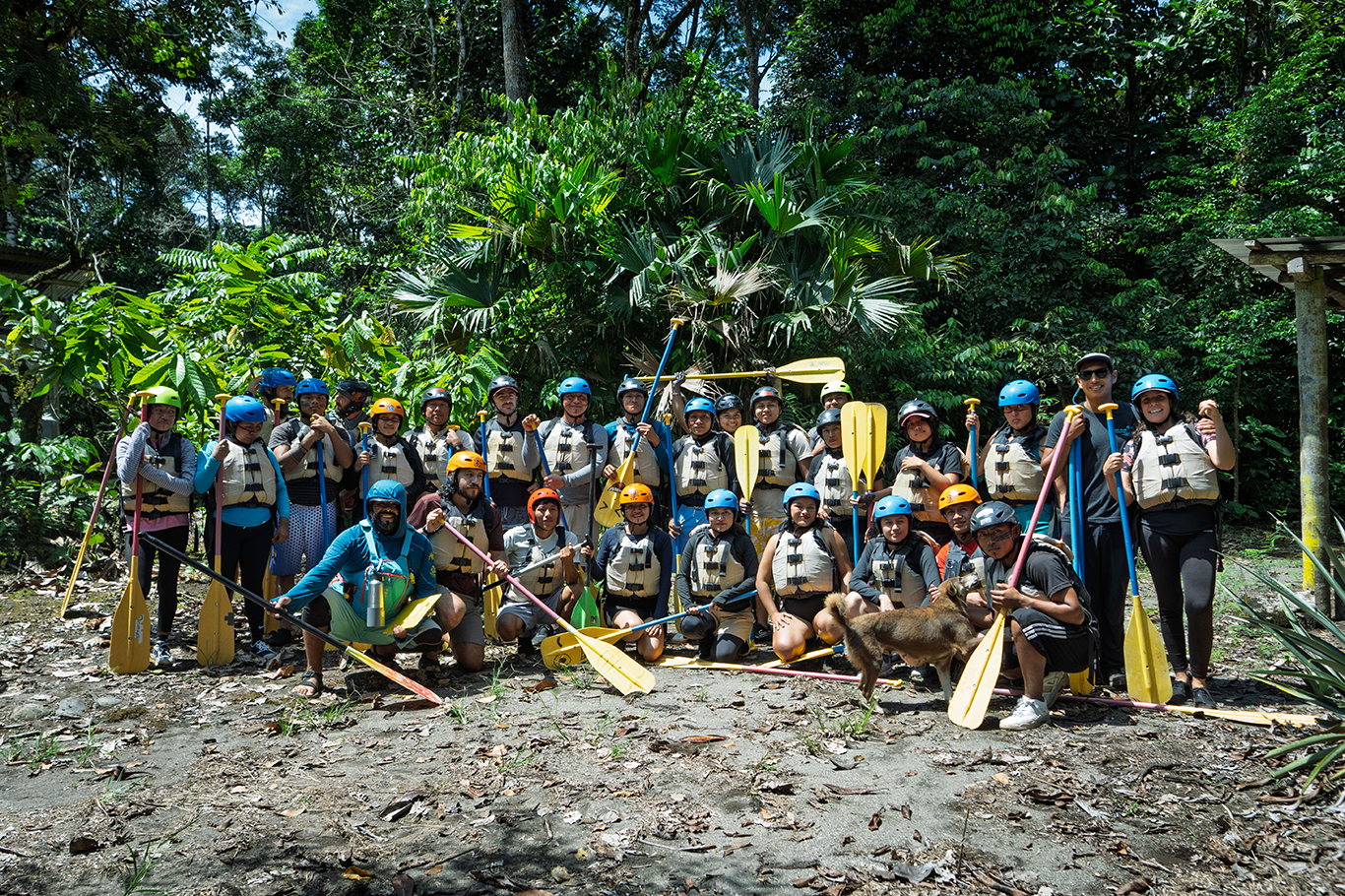
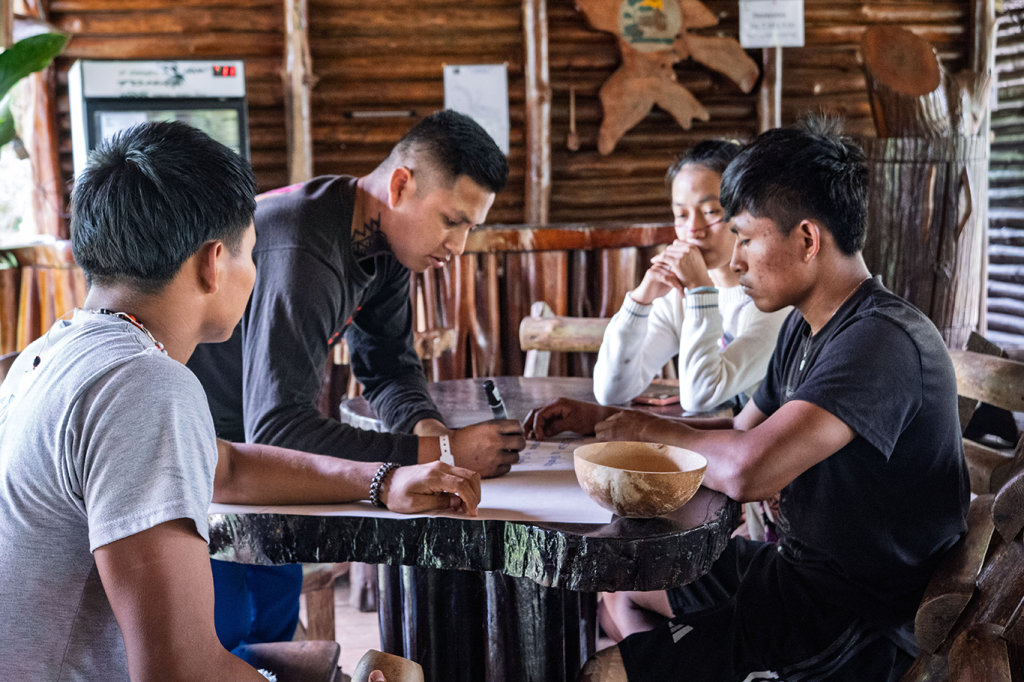
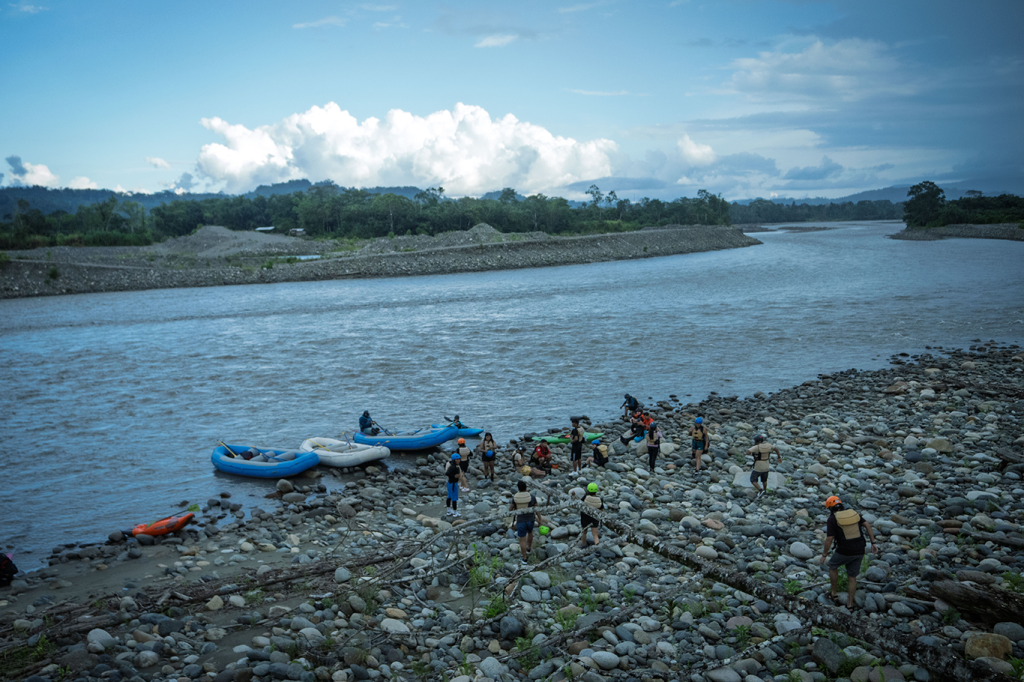
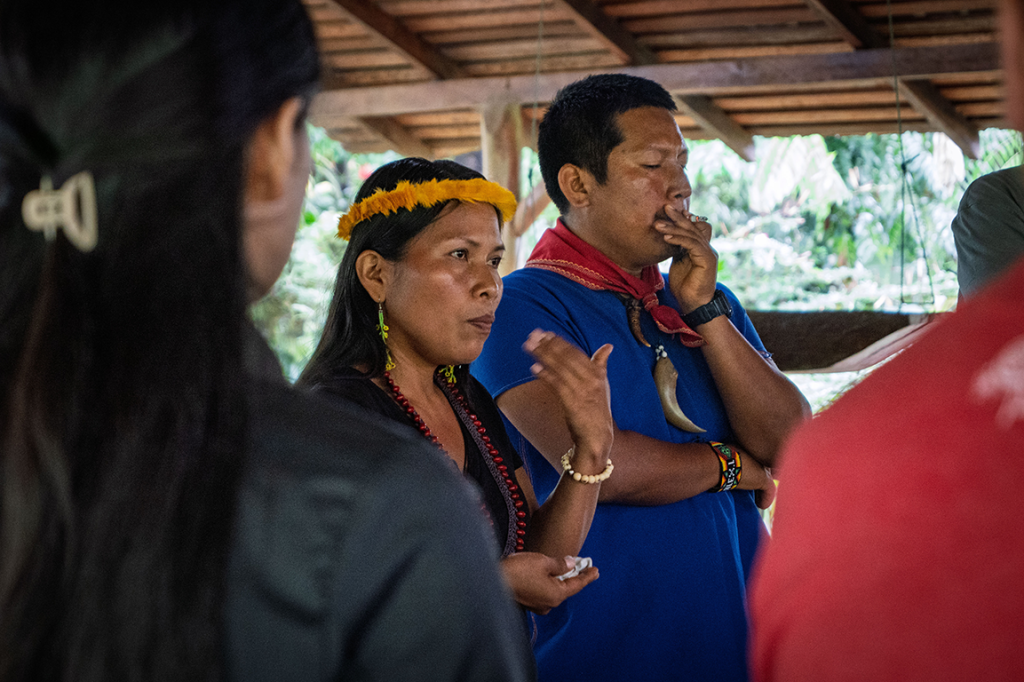
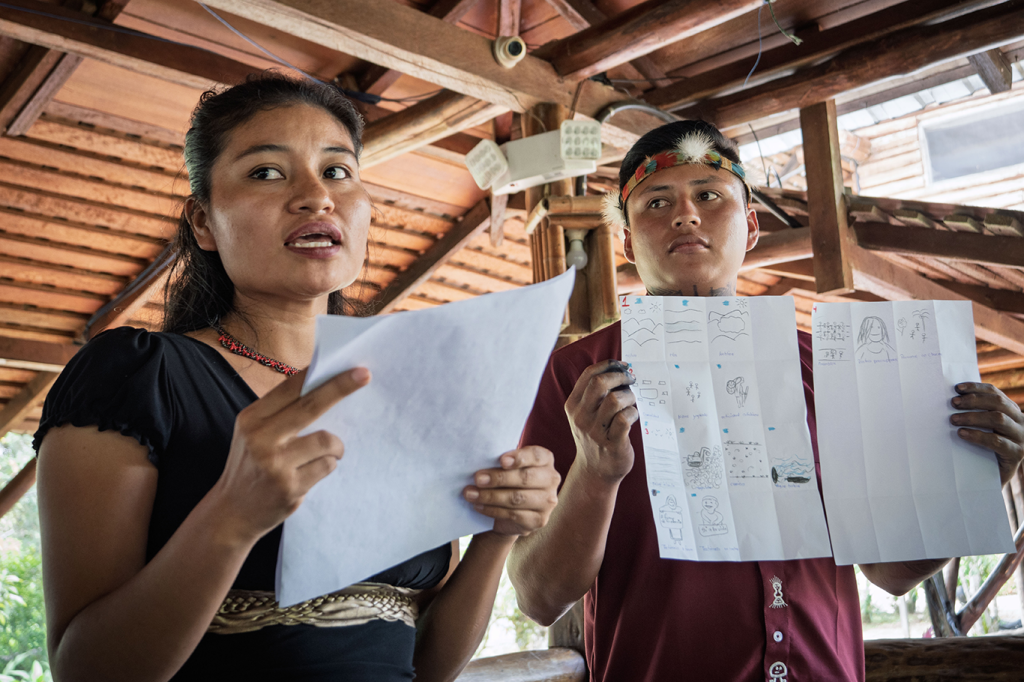
Young people from seven Indigenous Nations of the Ecuadorian Amazon gathered for a community-led communications training and reflection workshop on the impacts of extractivism. During the workshop organized by Amazon Frontlines, conversations about the legacies shaped by mining and oil extraction, and the possible ways of telling these stories, led to a desire to witness firsthand the damage caused by colonization and exploitation in Ecuador’s Napo Province.
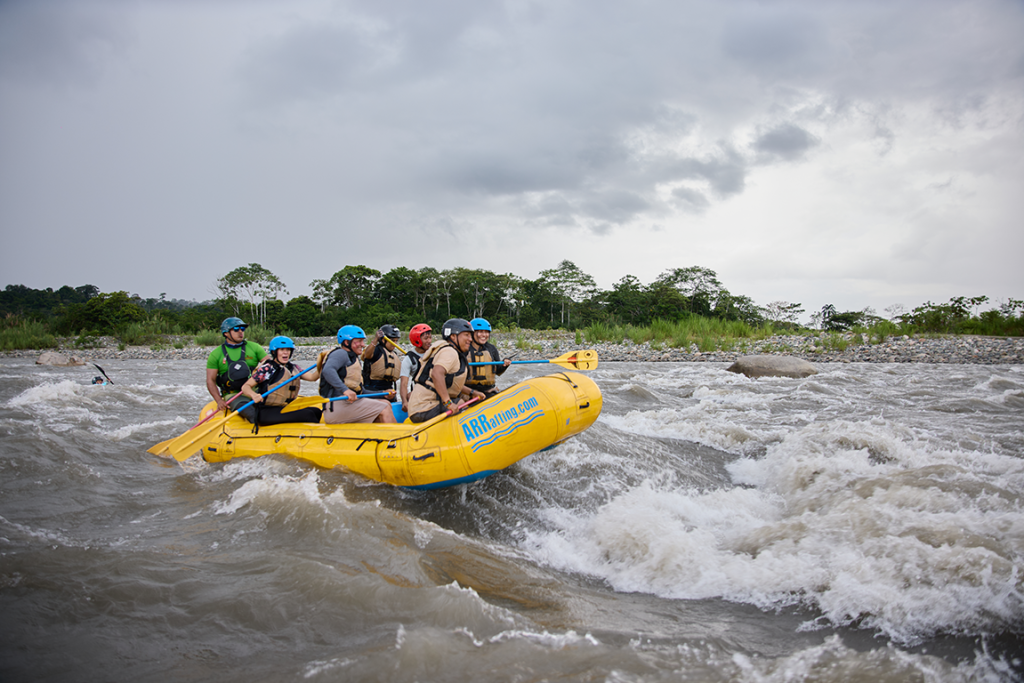
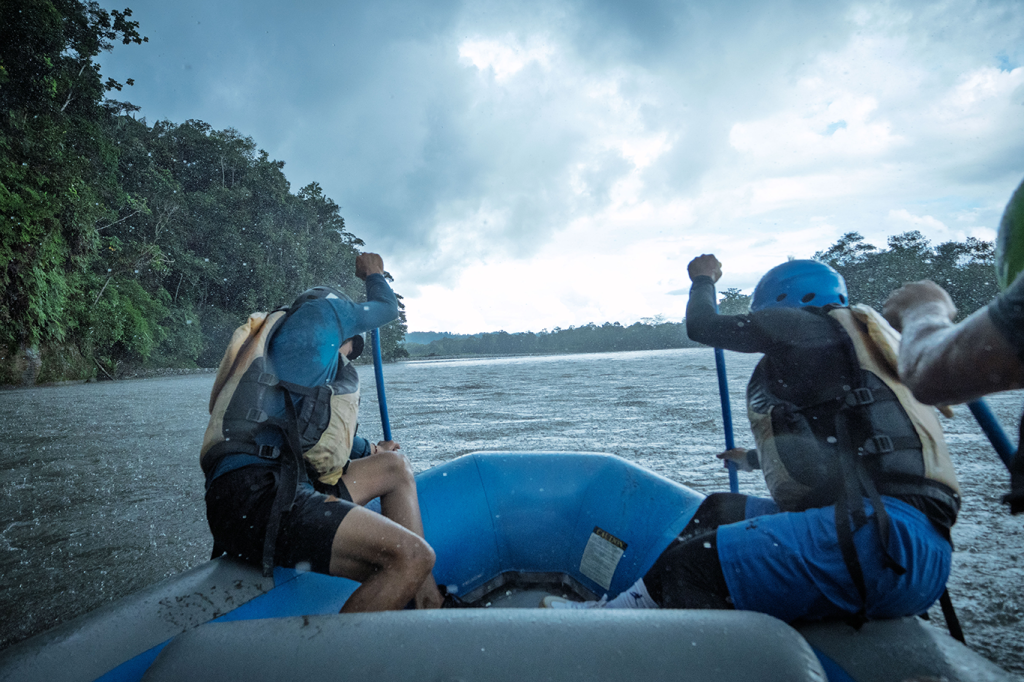
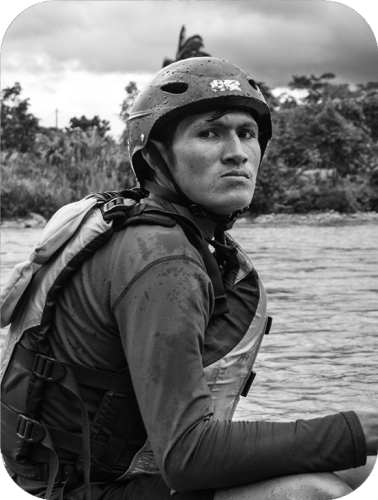
The purpose of these gatherings extends beyond learning how to use cameras or developing a storyline. They also deepen participants’ understanding of the political and territorial realities of other Indigenous peoples. As part of this process, the young participants traveled along the Jatunyaku River toward the Yutzupino River, an area rich in gold that has been devastated by gold mining.
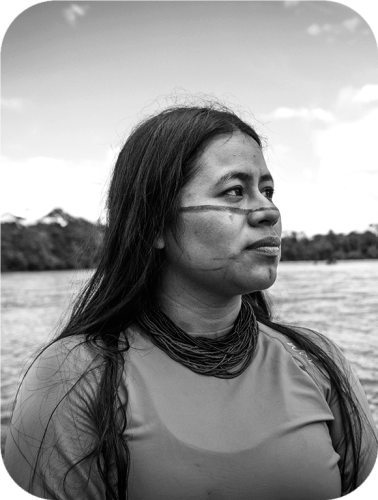
“
One of my objectives was to enable members of other Indigenous Nations to see the Jatunyaku River and witness what has happened in Indigenous territories—to see how mining has gradually destroyed the mountains and the region’s biodiversity.”
Roxana Tanguila
Quijos Nation, Alto Napo
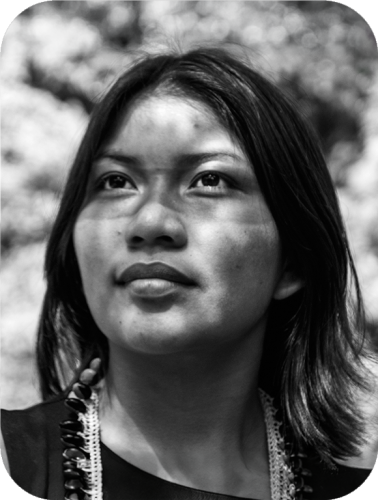
“
I felt sadness in my heart at the river’s destruction and pollution. I saw many children along the river, and it made me deeply sad to see them there, surrounded by mining and everything that comes with it.”
Jennifer Paushi
Waorani Nation
What were once riverbanks lush with vegetation had become deserts of stone, marked by craters; visible reminders of an ecosystem in decline and of a form of extraction that now threatens the lives and livelihoods of Indigenous communities.
The Napo River is the largest river by volume in the Ecuadorian Amazon. Stretching for more than 1,000 kilometers, it winds through the country’s eastern rainforest before flowing into neighboring Peru. Its headwaters sustain a province that has been home to Kichwa communities for centuries, where they continue to make up the vast majority of the population.
Between January 2017 and December 2024, more than 500 hectares (nearly 1,236 acres) were impacted by mining in the Yutzupino area—an area equivalent to more than 700 soccer fields.
According to Ecuador’s Ministry of Government, during operations against illegal mining in Yutzupino in February 2022, authorities seized 124 excavators, 79 water suction engines, 855 gallons of fuel, and 14 water pumps.
In August 2022, according to a technical report submitted to Ecuador’s National Assembly, 202 mining concessions were recorded, 159 of which were listed in the National Mining Registry. Mining activity was detected outside the authorized areas.
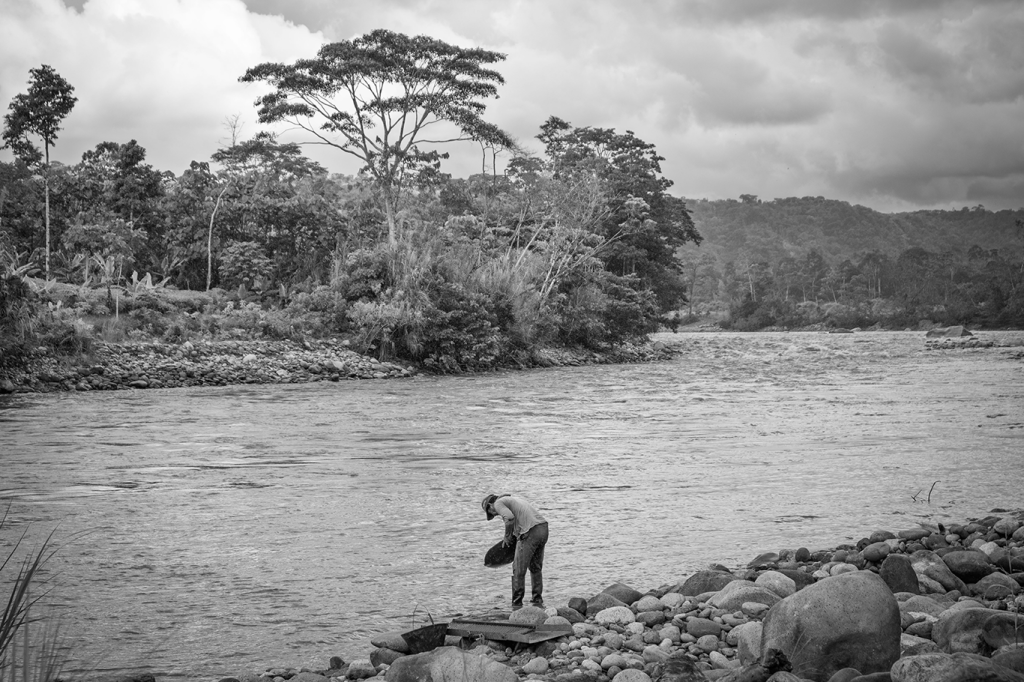
The impacts of mining in the Napo Province became evident as the descent continued along the fast-flowing Jatunyaku River, approaching the Yutzupino. The contrast was striking: one stretch of river remained intact, while another had been transformed by mining. What were once riverbanks lush with vegetation had become deserts of stone, marked by craters; visible reminders of an ecosystem in decline and of a form of extraction that now threatens the lives and livelihoods of Indigenous communities.
Between January 2017 and December 2024, more than 500 hectares (nearly 1,236 acres) were impacted by mining in the Yutzupino area—an area equivalent to more than 700 soccer fields.
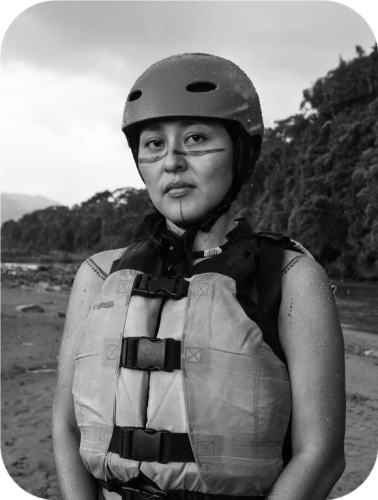
“
What hurt me the most was seeing the riverbank torn apart, seeing everything beneath it dug up. It was like stripping away our skin. […] That was what hurt me the most and affected me so deeply: seeing the river like a tear that had been shed.
Seeing the children playing there [on the riverbank], laughing, seeing their happiness—that was what hurt me the most. I want to raise my voice and tell the world that this is happening. We need to stop this so it cannot spread any further.”
Dete Buesaquillo
Waorani Nation
“
As we traveled down the Yutzupino River, I felt deeply saddened because mining is destroying our natural world. Other young people are here too, so we can come together, support young people from other nations, and raise our voices to the government.”
Ronald Dagua
Andwa Nation
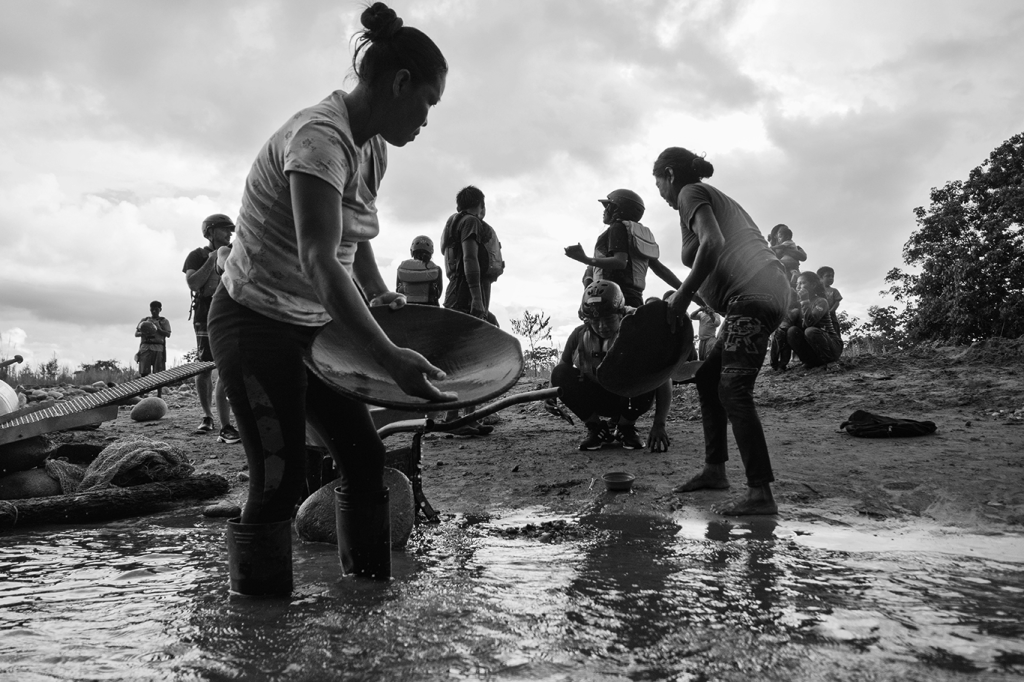
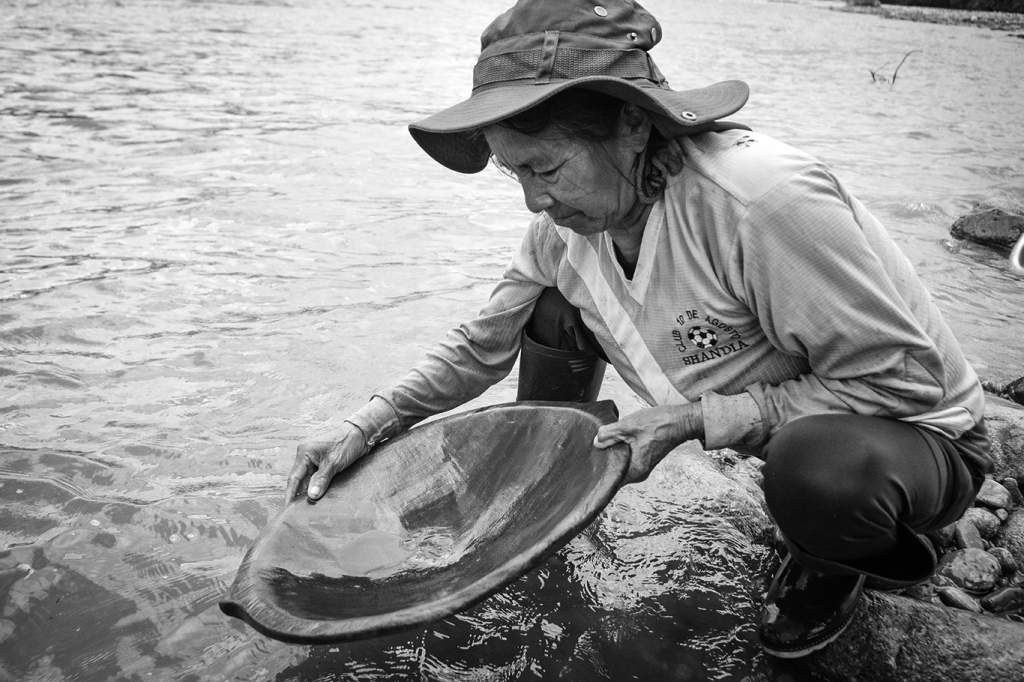
As part of an ancestral practice, the Kichwa separate gold from river sand using pans. In contrast, illegal mining relies on heavy machinery and toxic metals such as mercury to extract gold from rock. Mercury contaminates the air and the river’s waters, causing skin conditions among those who live in close relationship with nature. According to a recent statement from the Ministry of the Environment, environmental restoration in the Yutzupino area could take between one and two years.
“
It is very important for people in the community to communicate, in their own language, about the threats they face: oil extraction, mining, and the political forces that seek to divide their territories.
Without that knowledge, without this communication tool in their own language and in Spanish, it becomes easier for others to come in and divide communities, destroy their culture and their territory, and destroy everything we have—everything the Selva Madre (the forest) provides for us.”
Nemonte Nenquimo
Waorani Nation, Pastaza
“
What impacted me the most was seeing this, learning about it, and taking this message back to my community. Some people in my territory want to work in mining, which is why it’s so important for me to understand what’s happening and share this message with them.”
Arceliano Cuji
Shiwiar Nation, Capirona Community
“
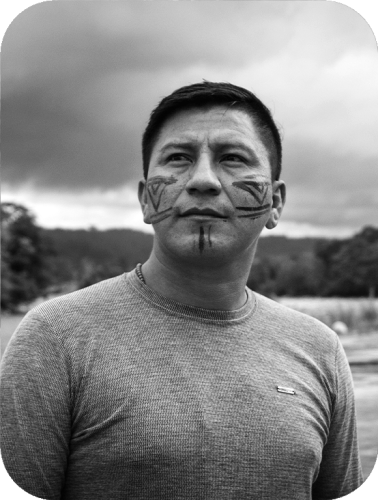
Like any human being, it hurts to travel along the banks of the Napo River—a river in the Amazon Basin that gives us life—and see the mining areas, the destroyed riverbanks, the forests, everything turned into a kind of desert. It hurts us as Amazonians, as Kichwa people who live in this territory, to see companies come here, cause so much damage, and then leave it behind in abandonment.”
Clever Rolando Andy Cerda
Napo Kichwa Nation
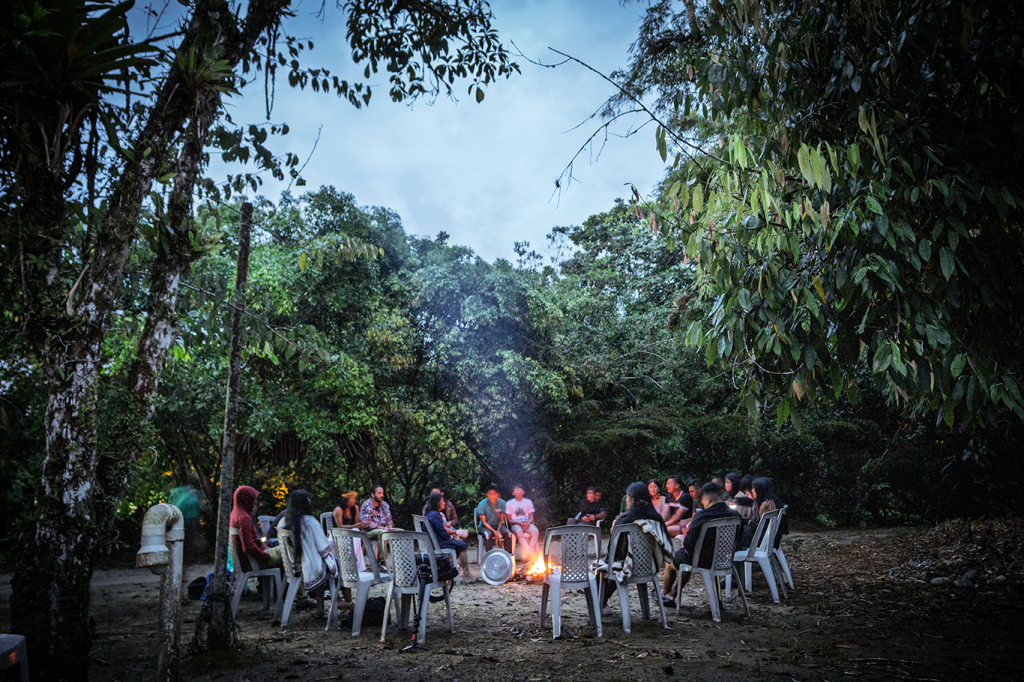
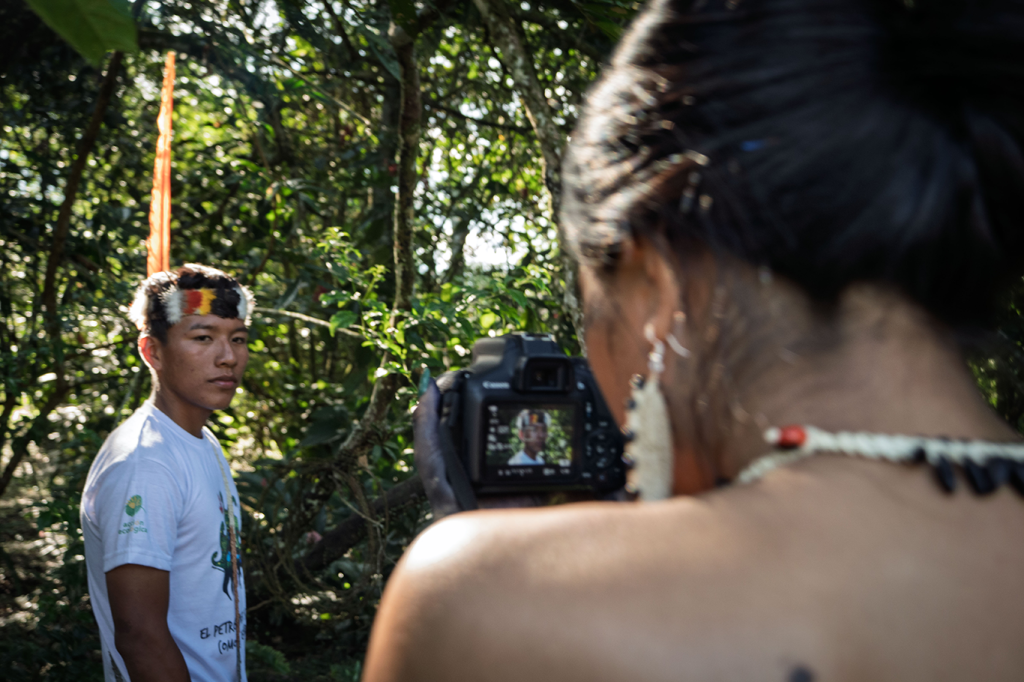
Amazon Frontlines implemented this training model throughout the southern Ecuadorian Amazon to provide technical training and foster dialogue on the impacts of mining and oil extraction. But political reflection is not fostered only in the classroom; it grows stronger when young Indigenous communicators themselves travel, exchange experiences, and witness the territorial realities of other Indigenous peoples and nations across the Amazon. Through this approach, technical skills are paired with lived experience, equipping participants to document collective memory, record the ongoing threats faced in their territories, and amplify the voices and stories of their communities.
· Credits ·
Text:
Kervy Justo Robles
Editing:
Alejandra Pérez and Jerónimo Zúñiga
Photography:
Antonella Carrasco
Video:
Nicolás Kingman
Web Design:
Mónica Aranda