The Amazon Has NO Borders
What voters decide in Brazil will be felt across the entire basin
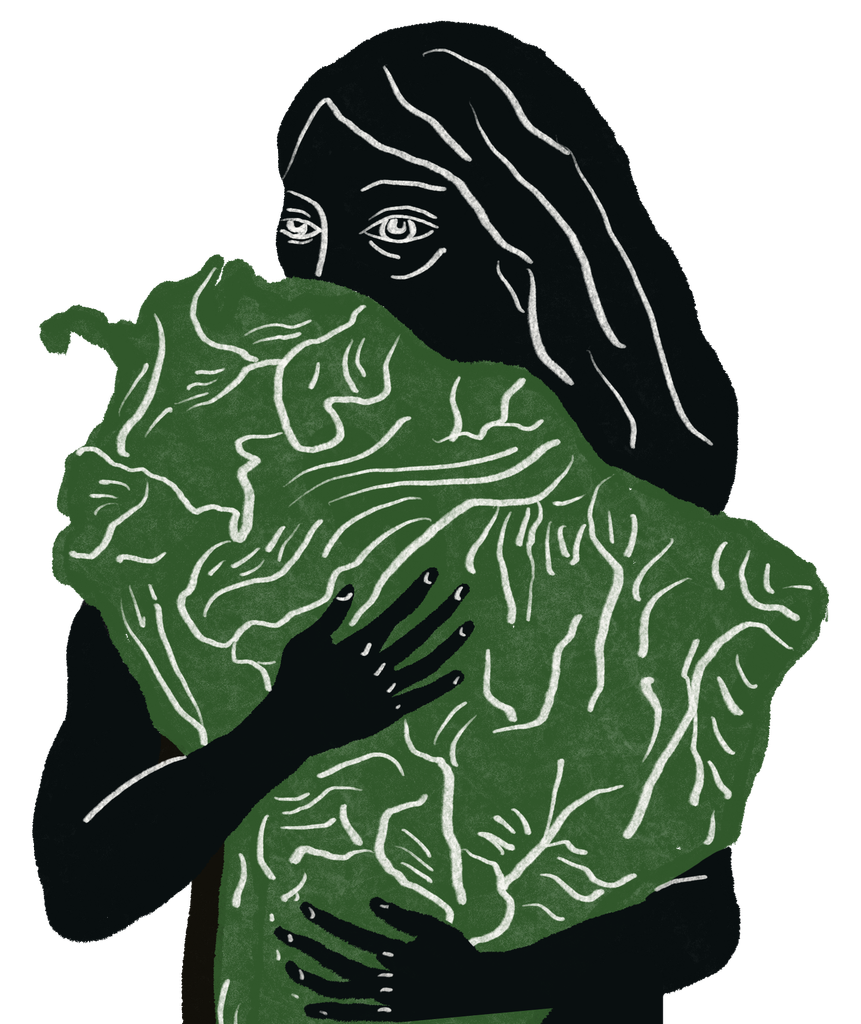
Brazil’s runoff this Sunday marks a turning point for the rainforest and everyone who depends on it.
For Indigenous Peoples across the world, territory often has no borders. For the Waorani neither does the Amazon. That is why Nemonte Nenquimo, Waorani leader and co-founder of Amazon Frontlines and Ceibo Alliance, says her community in Ecuador’s Upper Amazon is concerned about Brazil’s elections.
If the next government dismantles protections and opens more of the forest to mining, cattle ranching and industrial agriculture, the damage would ripple across the entire basin. The Amazon generates much of its own rain, which winds carry west toward the Andes. So if Brazil clears forest, that cycle weakens, and upriver forests would grow drier and more vulnerable to fire. Each loss pushes the rainforest closer to a point of no return, straining the forest’s health and resilience and accelerating a climate crisis felt far beyond the Amazon.
Nenquimo’s vision of the Amazon as one living territory is part of a plurality of understandings and immaterial practices Indigenous Peoples have maintained for centuries across the region. One made of microecosystems, waterways, and Indigenous territories, all interconnected by ancestral trails, memories and knowledge systems. Today, rivers, forests and peoples cross the lines drawn on maps. So do the consequences of political decisions.
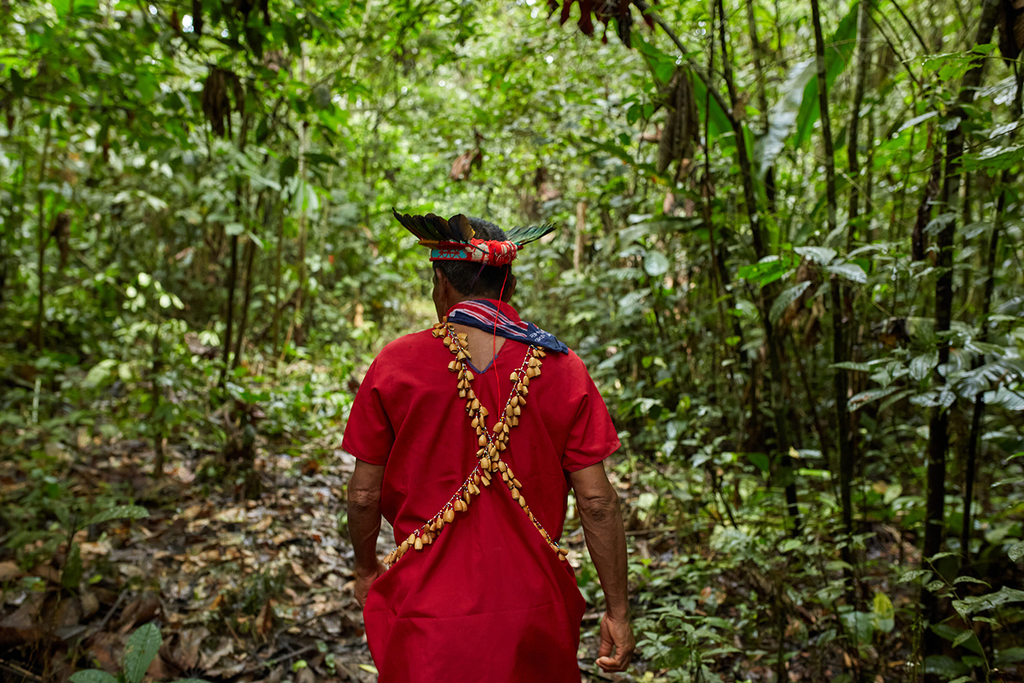
This Sunday, more than 100 million Brazilians will elect a president in a country that holds 60 percent of the tropical rainforest
The vote comes at a critical moment. No place on Earth is being more severely affected by climate change and biodiversity loss than the Amazon, and the crisis now threatens the fundamental rights of those who inhabit and protect its territories. Before the runoff, more than 1,600 fires burned in Brazil’s Amazonas, fueled by climate change and El Niño.
“The situation in Brazil is concerning because politicians see only resources in the Amazon. While they see markets to be exploited in the rivers and forests, we see ways of living —ways to continue sustaining life on Earth,” said Nenquimo.
The world’s largest tropical rainforest wasn’t a priority in the presidential debates
But Luiz Inácio Lula da Silva and Flávio Bolsonaro hold very different visions for its future. During Lula’s last four years in office, Amazon deforestation fell to its lowest level since 1988. Under Jair Bolsonaro, Flávio’s father, it increased by 60 percent, roughly equivalent to two billion trees killed.
Flávio has promised to end illegal deforestation by 2029. He has also described the environment as “a strategic economic asset” that belongs “first and foremost, to the Brazilian people,” and has said he does not believe humans cause climate change.
More than 2 million Indigenous people live across the Amazon, more than half of them in Brazil
Yet their constitutional right to vote has never been protected. Most recently, Brazilian prosecutors and Indigenous advocates are pushing electoral officials to help remote communities cast their ballots, providing free river transportation and funding interpreters.
Why does a vote from the most remote corners of the Amazon matter to people who will never live there? Because Indigenous Peoples are the most effective guardians of biodiversity. Since the 1970s, about 17 percent of the Amazon rainforest has been deforested under ‘Western’ forms of conservation. Indigenous Peoples’ effectiveness comes from their intimate relationship with their territories and the diversity embedded within their ancestral knowledge.
Studies by Amazon Frontlines show that conservation success is fundamentally linked to the quality and level of Indigenous engagement. When Indigenous Peoples have greater control and freedom to live according to their cultural values, ecological success goes hand in hand with improved social outcomes. When they are excluded, they may be unable to influence decisions that shape their daily lives.
Mario Erazo, leader of the Siona Nation in the upper Amazon basin in Ecuador and Colombia, said it is difficult to convince politicians because countries run economic models that don’t consider Indigenous Peoples’ understandings and practices.
“There’s a push for progress, for initiatives supposedly driving the country’s development, yet, regrettably, this process impoverishes other sectors, such as the Indigenous people living in the Amazon. We urge them to halt extractivism or address the mitigation of deforestation,” said Erazo.
“I believe the key lies in the awareness of the people who elect our leaders. The Amazon risks becoming nothing more than a name, rather than a place we actively defend and care for; unfortunately, it is capitalism that empowers these leaders to keep pushing forward —all under the guise of sustaining national development.”
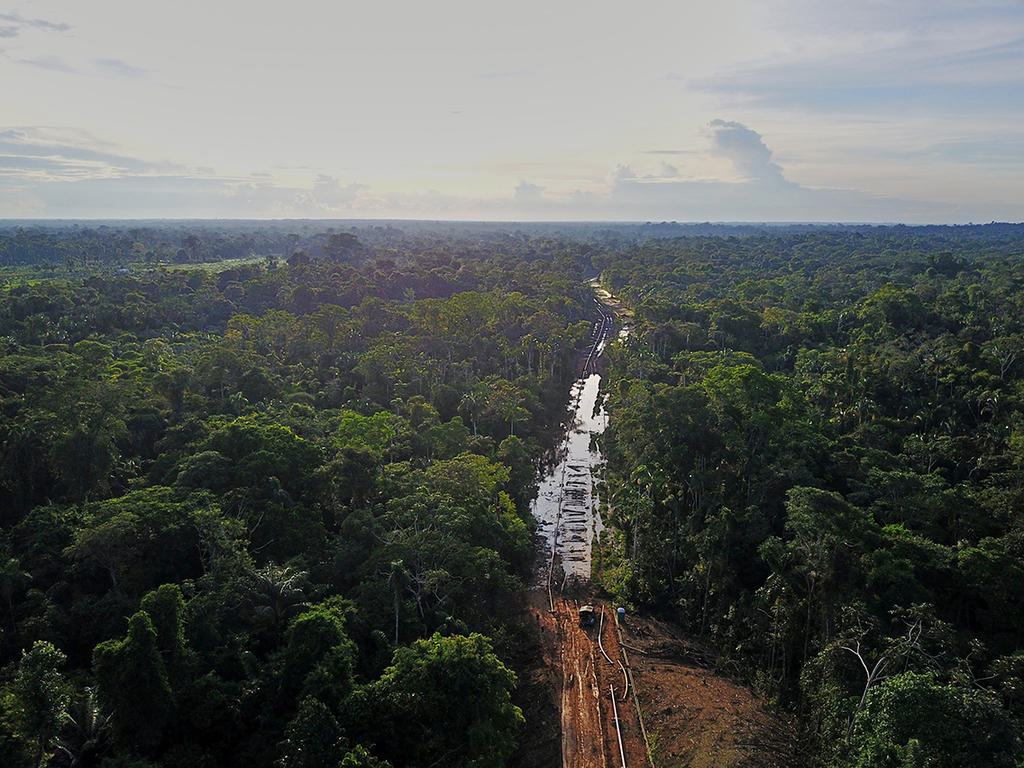
JJustino Piaguaje, leader of the Siekopaai people, a cross-border Indigenous Nation between Ecuador and Peru, said political leaders addressing the threats facing the Amazon must listen to Indigenous Peoples.
“For centuries and decades, we have been sounding the alarm about our concerns regarding climate change. Indigenous Peoples and States can’t speak different languages; we must speak the same one. Without this shared perspective, it will be difficult to sustain our humanity,” said Piaguaje. “We call on the governments of so-called developed nations to commit to providing funding and ensuring that environmental sustainability will be implemented across all countries in the Amazon region.”
Indigenous communities across the Amazon lead responses to the crisis from the frontlines of climate disruption and extractivism, yet they receive little to no financial support. This must change now, regardless of the outcome of Brazil’s elections. Governments, philanthropy and the wider world must back Indigenous organizing, stewardship and self-governance with direct funding, so Indigenous Peoples can protect biodiversity and defend their homes against climate change and political threats.
As Nenquimo puts it:
“For more than 500 years, our gold and our land have been stolen. Now, there are new ways of stealing: they want more oil. They want more deforestation to feed large cities —at the cost of the lives of Indigenous peoples and the Amazon itself. This is a critical moment; we must unite and think of future generations. We’ve weathered 500 years of political violence and promises…we will weather this because our survival depends on it. ”
Credits
Written by Kervy Justo Robles
Edited by Mitch Anderson and Alejandra Pérez
Interview support by Erika Castillo
Design and illustration by Monica Aranda